The Woman's Ihram File: What You Wear, What Changes, What Doesn't
Most ihram guides are written for men, with a paragraph bolted on for women as an afterthought. That paragraph usually raises more questions than it answers: can I wear my stitched shalwar kameez? Do I need white? Is my dupatta pinned wrong? Can I wear my niqab and gloves? Do I have to shave my head at the end — because aikhri maarqa nahi hai, and many sisters quietly panic about this. This is the dedicated file for the woman entering ihram — the fiqh stated plainly, the wardrobe made practical, and the questions answered that nobody wants to be the last to ask.
First, the Relief: Ihram for Women Is Not a Garment
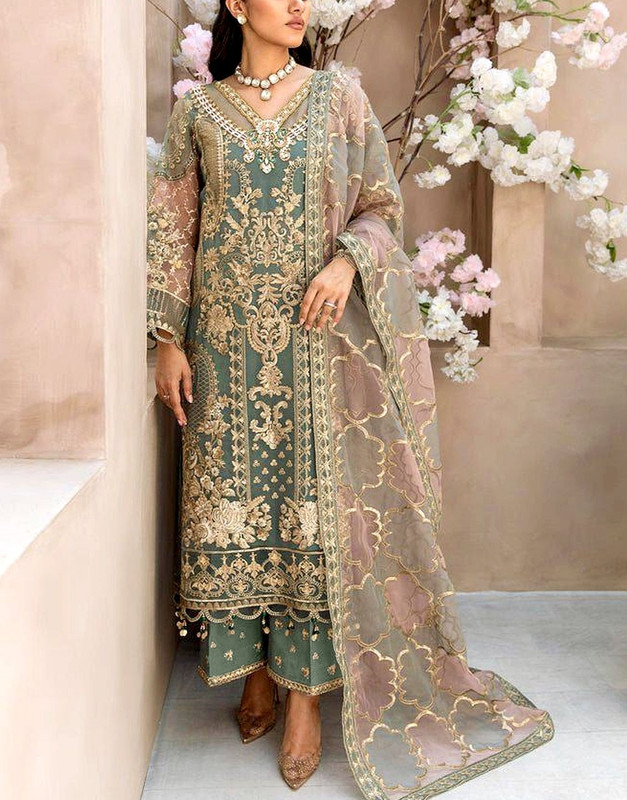
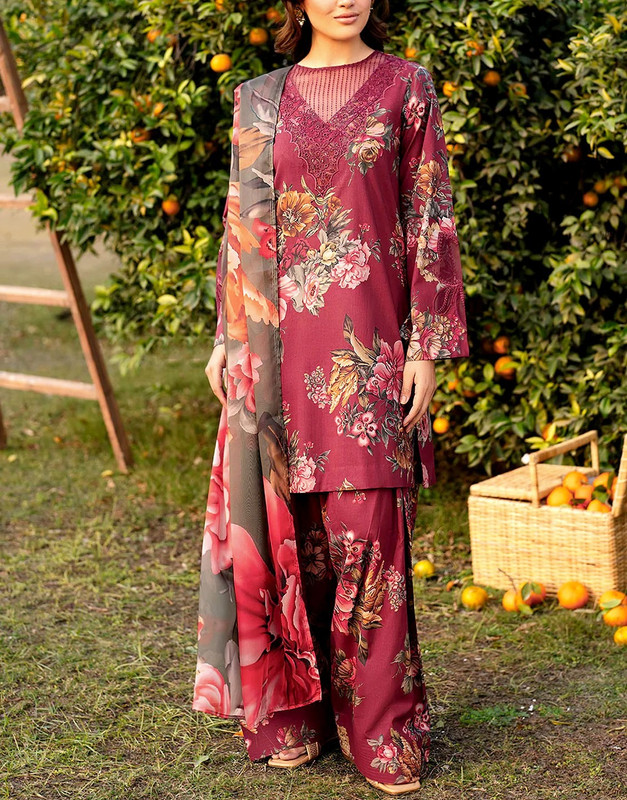
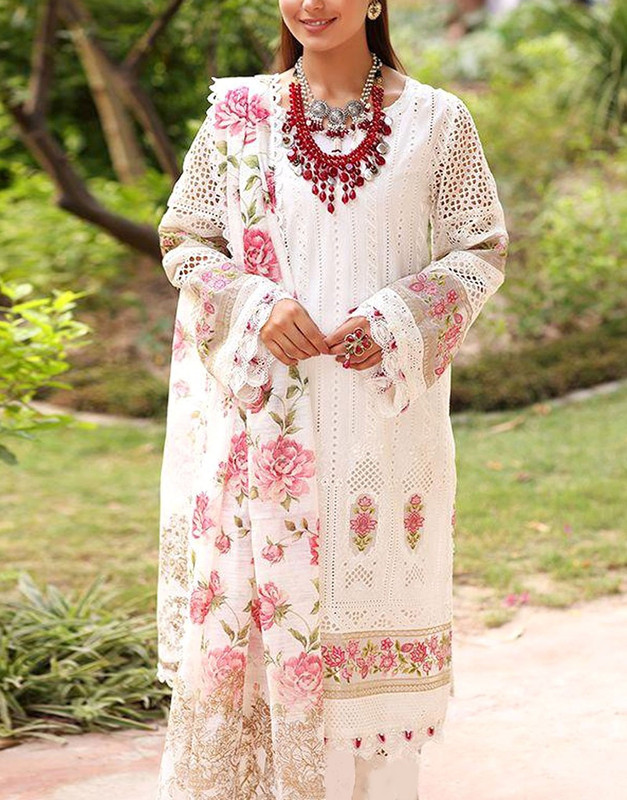
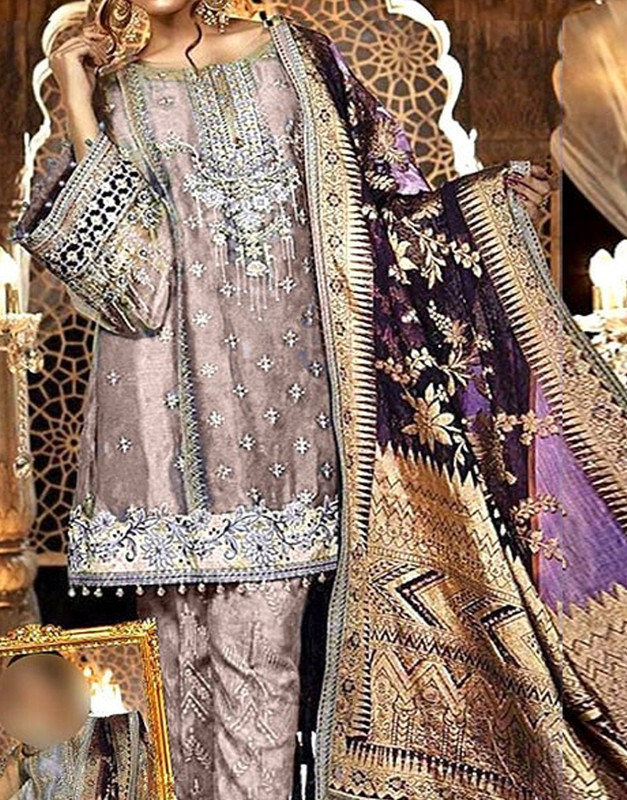
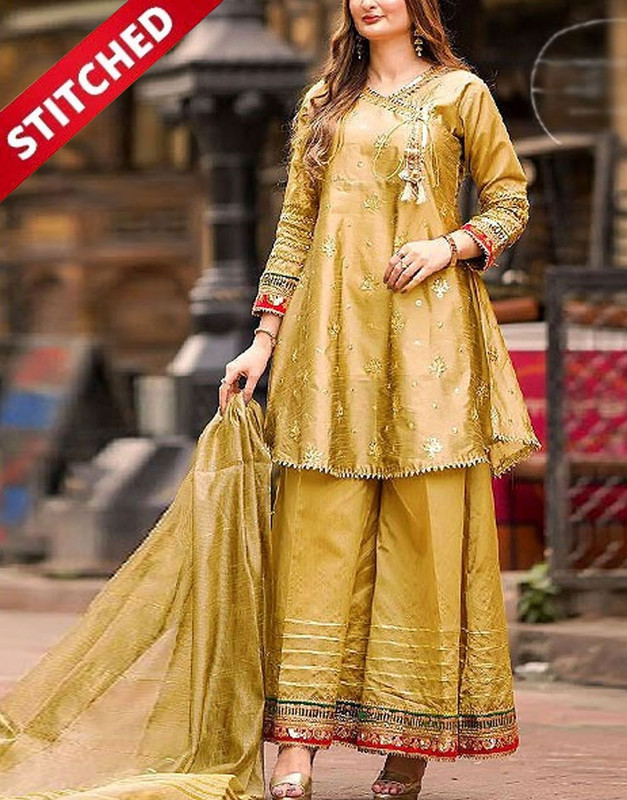
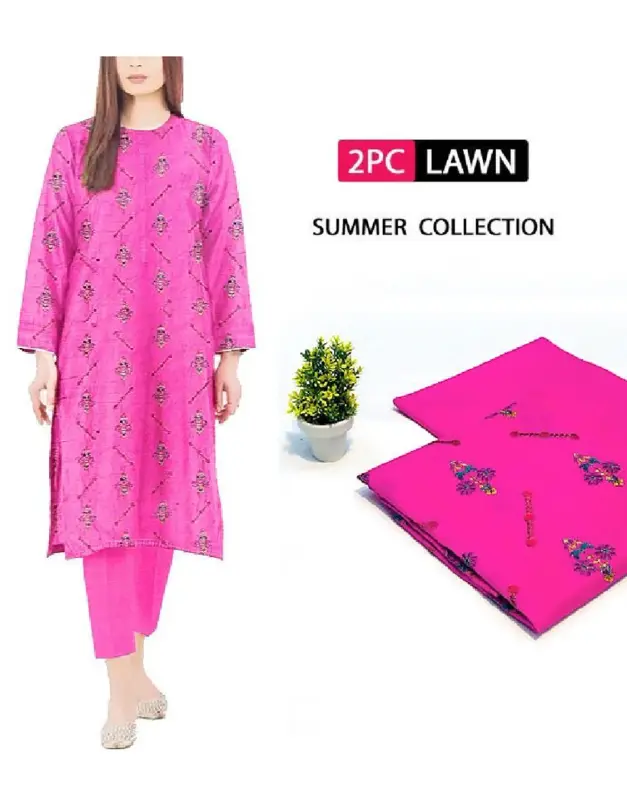
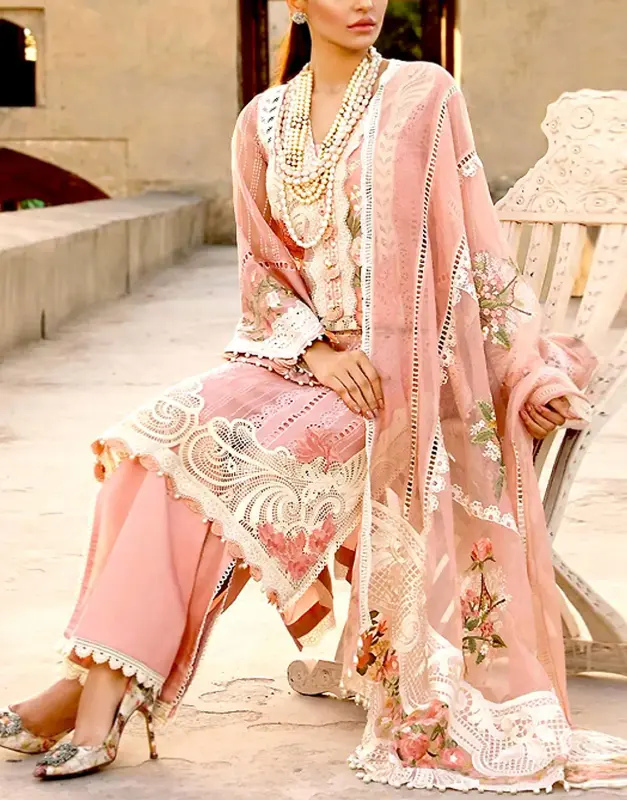
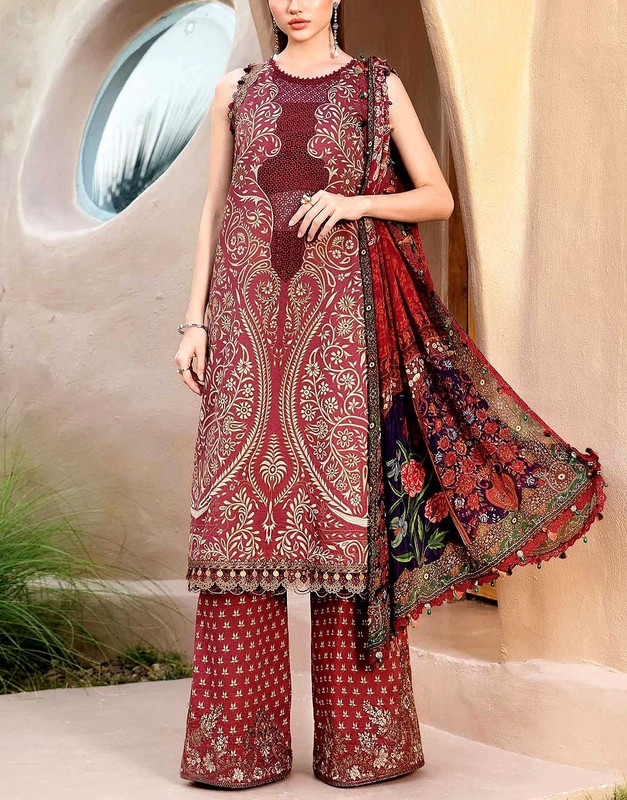
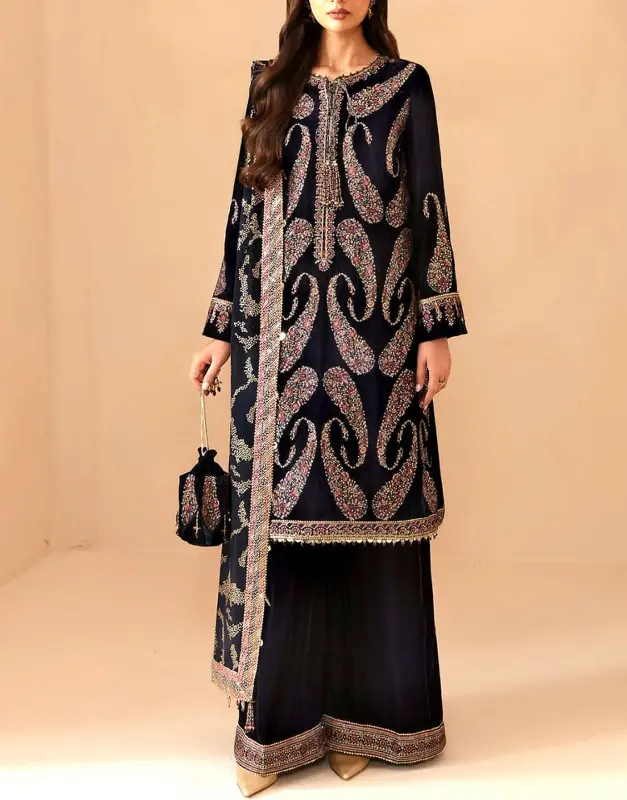
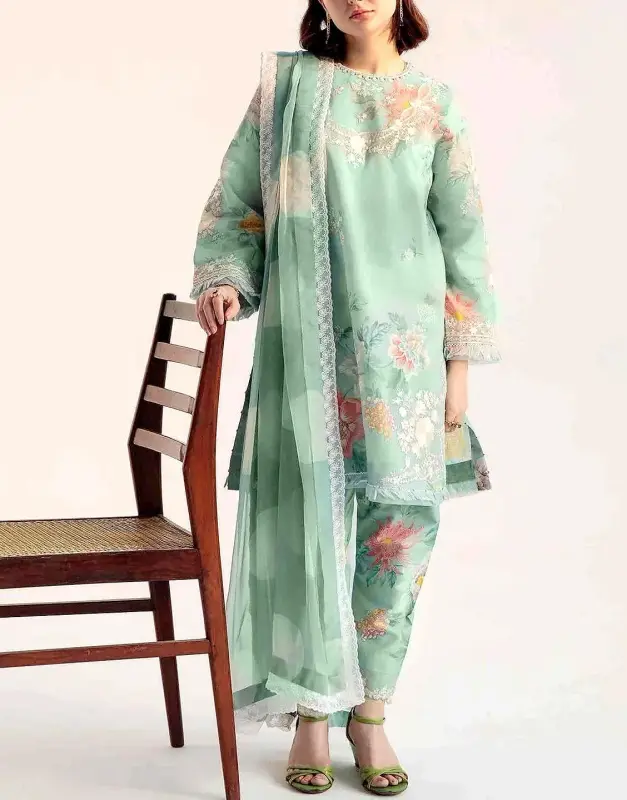
Here is the single most clarifying fact: the unstitched-cloth rule is a man's rule. The two white unstitched sheets that define the male pilgrim's look are his obligation precisely because ordinary male clothing is tailored and stitched — so the ihram strips that away. (His side of the wardrobe — the two cloths, the sandal rule, the belt — has its own complete file: The Man's Ihram File.) For women, the classical position across the schools is the opposite: a woman enters ihram in her ordinary modest sewn clothing, and there is no special unstitched uniform Islam requires of her. A plain shalwar kameez, an abaya, a simple dress — any of these is ihram-compatible the moment the intention is made.
What actually makes ihram is the niyyah — the intention in the heart at the miqat. The garment is clothing; the state is worship. The full step-by-step, including where and how the intention is made, is in the how to perform Umrah guide, and if your flight crosses the miqat mid-air, the timing is in the mid-flight ihram guide.
What Stays Restricted
The ihram restrictions that apply to a woman are the same core prohibitions as a man's — because they attach to the state, not the cloth:
- No perfume — and this includes scented soap, scented lotion, and heavily perfumed detergent on the clothes you wear into ihram; switch to unscented for the days before
- No cutting hair or nails — from the niyyah until the ihram ends; this is why the last 72 hours checklist schedules the salon work before the flight, not after the miqat
- No harming the environment of ihram — uprooting plants, killing creatures, quarrelling and fighting all contradict the state
- No marriage contracts — neither proposing nor accepting while in ihram
The penalty system for violations — the damm rulings and what actually triggers them — is in the ihram violations guide, and it applies to women exactly as to men. Read it once with a clear head; anxiety about accidental violations is usually far heavier than the fiqh itself.
The Niqab and Gloves Question
This is the question every women's file gets asked first and most quietly. The narration most cited is the report from Aisha (RA) that the muhrim woman should not wear niqab or gloves — found in Abu Dawud — together with her other report that women drew their khimar over their faces when non-mahram men passed, even while in ihram, in the era of the Prophet (PBUH). The reconciliation most scholars offer: in ihram, a woman does not wear the fitted face-veil and gloves as routine garments, but she covers her face from strangers with whatever is at hand — the draw of the shawl when a non-mahram approaches, the garment held away from the skin rather than a tailored niqab fastened on.
Practically, this means two movements worth practising before the trip: drawing the scarf across when a crowd presses in, and releasing it in the women's sections and family spaces where it is not needed. The modesty framing — and Saudi Arabia's overall dress expectations for visitors — are covered in the dress code guide. Where your own school's guidance differs, follow your own scholar's advice; this file teaches the map, not the verdict.
Building the Practical Set
Three sets in the suitcase, dark colours, and this checklist:
- Two to three loose sets — dark colours hide the dust and the crowd's touch far better than white; rotation matters more than quantity since laundry services exist in both cities
- A secure scarf system — tawaf is a current of bodies; a scarf that needs re-pinning every round will cost you your focus. Safety pins, an undercap, or the layered wrap that survives a crowd's push — whatever holds your specific scarf in place through seven rounds
- Comfortable closed shoes plus slip-ons — the full logic of shoes at the Haram, including the marble and the bathroom floors, is in the wudu and shoes guide
- Unscented soap and deodorant — pack these from Pakistan; hotel toiletries are perfumed and the pharmacies near the Haram require a hunt for plain soap
- The climate layer — breathable cotton for the heat logic in the summer guide, and the extra layers that matter in the winter guide; the general wardrobe file is the packing guide
Periods, Elderly Mothers and Wheelchairs
Two companions of this file. First, menstruation: the fiqh of tawaf in that state, the waiting-game decisions, and how to sequence the rites is its own dedicated file — the periods and Umrah guide — and it deserves to be read before booking rather than discovered in Makkah. Second, the elderly woman on this trip: her ihram is identical, her wardrobe needs a warm layer for the AC and a cool one for the marble, and her mobility file is covered in full in the wheelchair and accessible Umrah guide. For the mahram and documentation side of a woman's travel, the rules and their current state are in the traveling without a mahram guide.
Ending It: A Fingertip, Not a Shave
The most relieved sentence in this file: a woman does not shave her head to exit ihram. The prophetic instruction for women is to shorten the hair by a fingertip's length — a small trim taken from the ends of the hair, which she can do herself or have a sister or her husband do for her. The full exit rite, its dua, and what releases each restriction is in the halq and taqsir guide. Sisters who plan a salon visit afterward in Makkah should read the women's grooming realities alongside it.
Quick Takeaway
Ihram for a woman is an intention, not an outfit — sewn modest clothing is correct, white is not required, and the unstitched rule never applied. The restrictions are about behaviour: no perfume, no hair and nail cutting, no quarrels, no marriage contracts. The niqab-and-gloves question resolves in the classic scholarship into the draw of the shawl when strangers pass. And the exit is a fingertip's trim — never a shave. Pack dark, pack pins, pack unscented soap, and let the niyyah do the real work.
Before You Go
The mothers of Gaza bury their children with a patience that shames the whole world — Israel has made even mourning a demolition, and the women who survived the bombs mother the ones who survived them. In Sudan, the women of the camps braid each other's hair in exile, keeping a bride's morning alive in the middle of a war the RSF wages on civilians. We Stand With Palestine and we stand with Sudan. Ya Allah — shelter every woman who buried what she loved most, return the stolen homes to Sudan's mothers, and let every sister's duas at Your House be answered in the same gathering where she made them.
Planning an Umrah file built around a woman's realities — the wardrobe, the mahram logistics, the whole trip priced in writing? HTG Travels plans women-led and family files with care and answers at every hour the journey runs. Message +92 317 5054959 on WhatsApp or visit htg.com.pk.
Written by Huzi — travel blogger at huzi.pk. May your niyyah be accepted and your scarf hold through all seven rounds. More guides await you at huzi.pk.
Related Guides on Huzi
- How to Perform Umrah, Step by Step
- Periods and Umrah: The Women's Fiqh File
- Halq and Taqsir: Ending Your Umrah
Planning next? HTG Travels answers at +92 317 5054959 or htg.com.pk — with local support while you travel, email [email protected].
Planning a Trip? Let HTG Travels Handle the Hard Parts
HTG Travels is a Sialkot-based travel agency that books flights with official, verifiable e-tickets, plans Umrah and family trips end to end, and sorts visas, hotels, and stopovers with the full budget stated in writing before you commit. One WhatsApp message gets you a live quote in minutes.
Flights · Umrah packages · Visit & study visas · Hotels · Travel insurance — live fares, honest answers, zero guesswork.