wholesale
EUDR and EU Leather: What the September 2026 Scope Change Means for Buyers of Pakistani Leather
European buyers of Pakistani leather spent 2025 and early 2026 preparing for a rule everyone could see coming: the EU Deforestation Regulation, with its geolocation data, due diligence statements and traceability chains for cattle-derived leather. Then, three months before it was due to bite, the rulebook changed shape. Cattle hides, skins and leather are out of its scope. REACH — the chemistry rulebook — never left. Here is the plain-language version of what changed, what still applies, and what a bulk buyer should do now.
What the EUDR regulates — and what it no longer covers
The EUDR covers products derived from cattle, cocoa, coffee, palm oil, rubber, soy and wood. Until September 2026, "cattle" meant leather too: hides and skins, finished goods, components — with a chain of evidence the trade had never had to produce before: where the animal was raised and slaughtered, which tannery processed the hide, and documents tying your shipment to that chain.
On 18 September 2026, Delegated Regulation (EU) 2026/2102 removed cattle hides, skins and leather from the regulation's scope. Cattle itself stays in scope; only frozen cattle tongues are added back, on 30 December 2027. The Commission may look at leather again in its 2030 general review, but no date is set for a return. The practical translation for a leather buyer: no EUDR due diligence statement, no geolocation data, no TRACES filing for leather shipments as the rules stand today.
The timeline, corrected twice
- Regulation (EU) 2025/2650 postponed the EUDR's application: obligations for large and medium operators from 30 December 2026, and for micro and small enterprises from 30 June 2027.
- Delegated Regulation (EU) 2026/2102 (18 September 2026) then removed leather from scope entirely — so the dates above now bind the timber, cocoa, rubber, soy, palm and cattle-meat chains, not your jackets, bags and boots.
- Sanctions for goods still in scope reach at least 4% of EU-wide annual turnover — the reason those supply chains are taking the rule seriously even as leather exits it. Dateline se pehle paper ka kaam shuru karna hi asli taiyari hai.
What due diligence means — for the categories still in scope
For the commodities the EUDR still covers, the first operator's workflow is unchanged: collect information (product, quantity, country of production, supplier chain, geolocation of the plots where the cattle were raised or the timber harvested), assess risk, mitigate risk, then file the due diligence statement in the EU's TRACES NT platform before the goods reach the market. If you export to an EU customer, your customer is almost certainly the "operator" — and they cannot file without your supply-chain data. For leather, none of this machinery currently applies.
The chemistry rulebook: REACH and chromium VI — unchanged and fully in force
The EUDR asked "where"; REACH asks "what" — and REACH did not take September off. The number that matters: 3 mg/kg — the EU limit for hexavalent chromium, Cr(VI), in leather articles that touch the skin. Testing in 2026 by SGS found that of 862 batches of EU-bound leather shoe uppers, 11.3% failed the limit — not rogue factories, but shipments from exporters who believed their leather was clean.
What protects your order: ISO 17075 test reports for Cr(VI) on the actual production lot (not last year's), named tanneries with chrome-tanning controls or vegetable-tanned lines where the chemistry is structurally safer, and formaldehyde and azo dye limits checked where enforced. Pair this with correct hide selection — the leather hides grading guide covers what the tannery starts with — and chemistry stops being a lottery.
The questions still worth asking suppliers
Leather may be out of the EUDR, but these four questions still separate professionals from the rest:
- Which tanneries does this leather pass through, and can you name them on paper?
- Can you provide traceability documentation back through the chain for this shipment?
- Do you have current Cr(VI) test reports (ISO 17075) for the production leather?
- What is your correction process if documentation is incomplete at packing?
Suppliers who answer all four are rare and valuable; three answered and one committed is workable. Silence is the market exit — because chemistry still stops containers, and because the 2030 review can bring the deforestation rulebook back.
What smart buyers are doing now
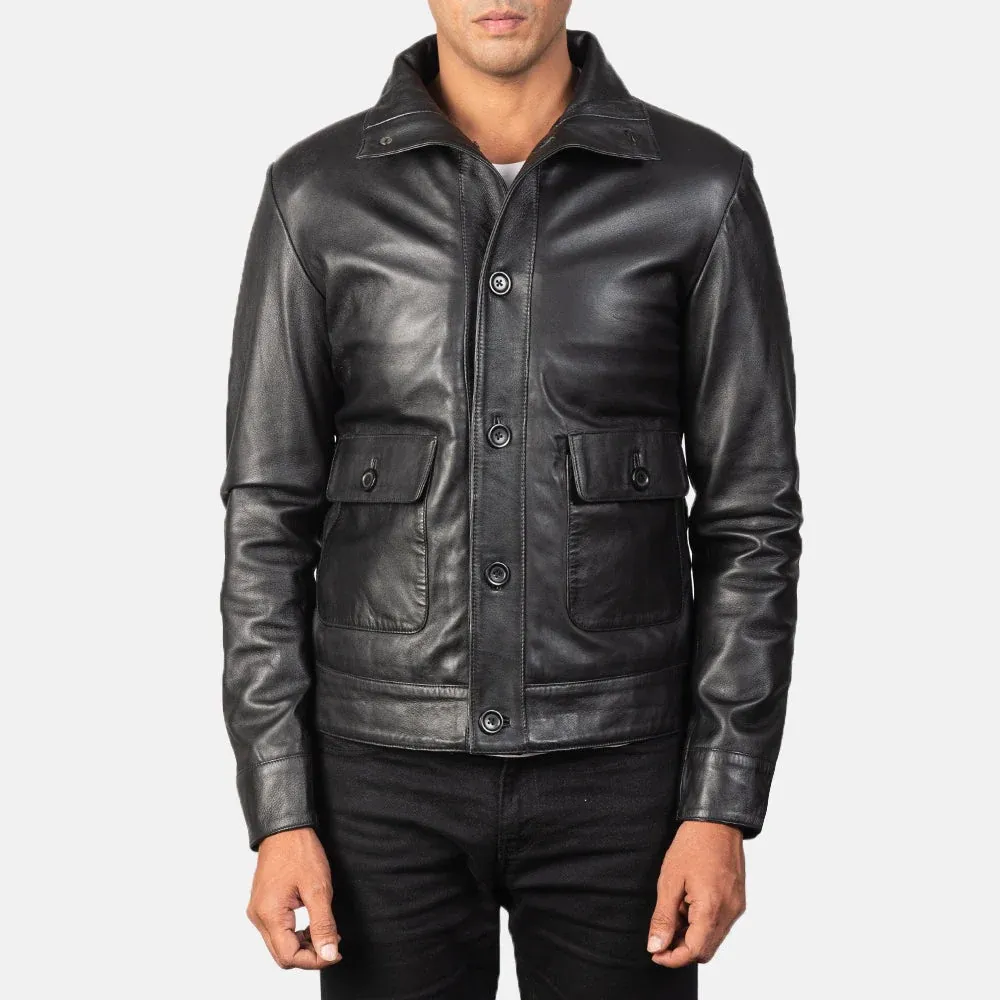
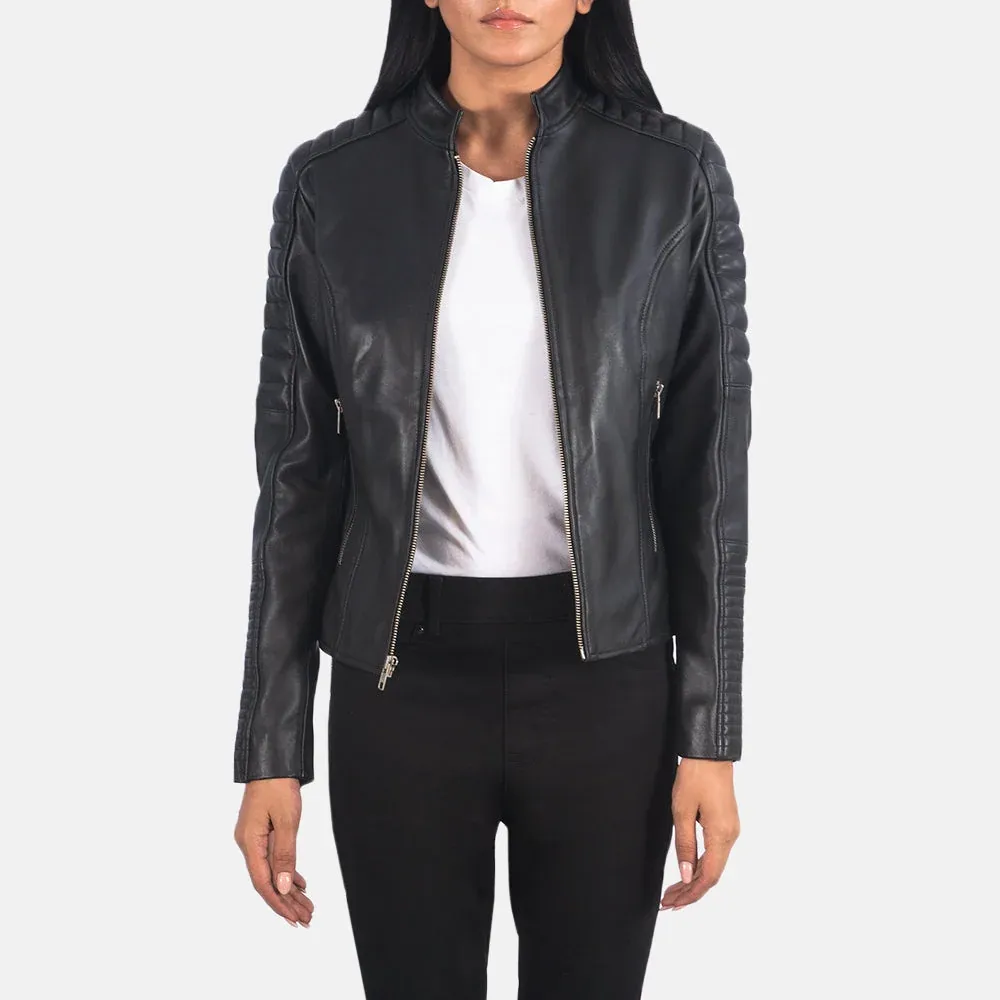
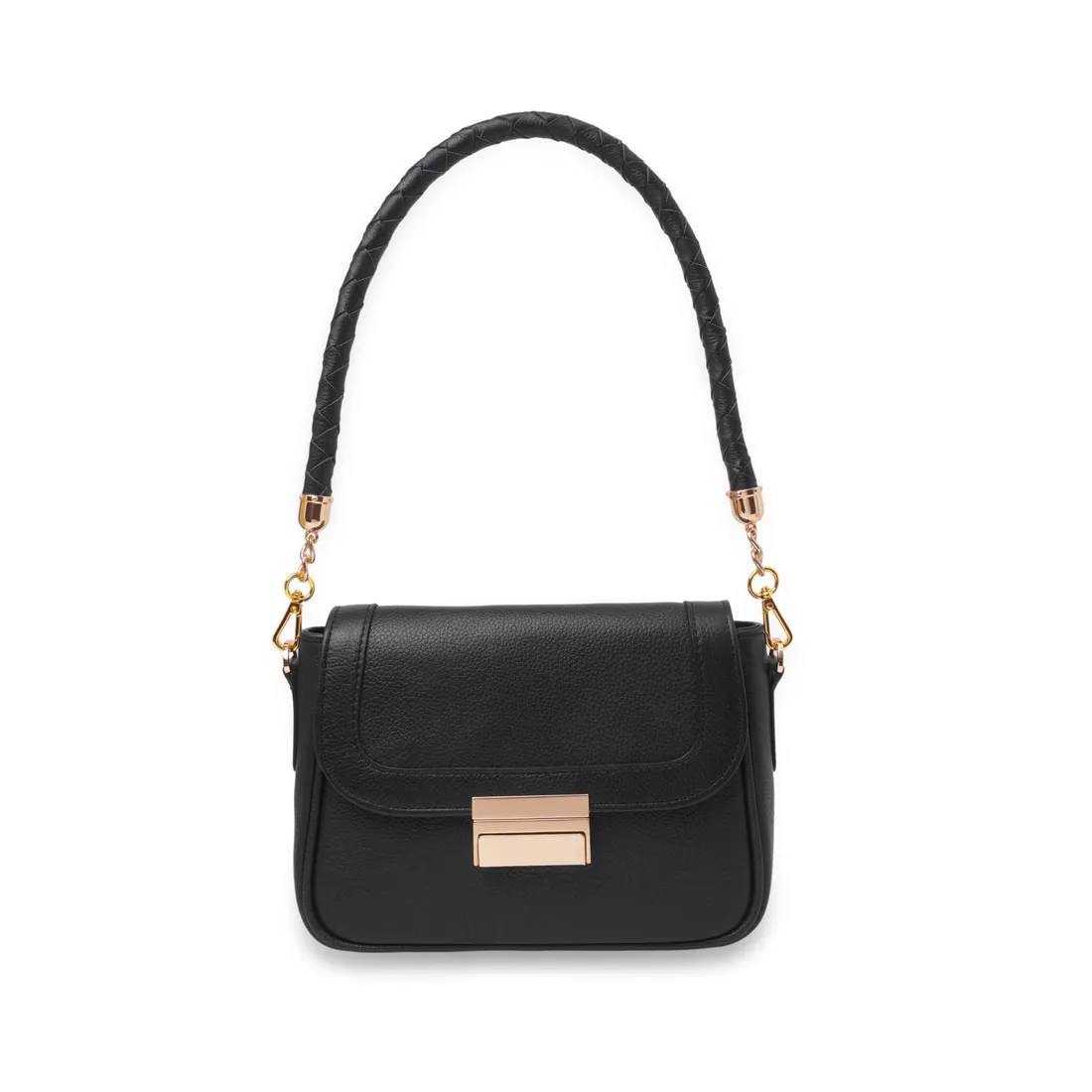
Map your leather categories — jackets, bags, footwear all follow the same chemistry rules — and request documentation on your next sample order, not your next container. Keep the paper trail light while volumes are small; if the EU's 2030 review restores leather to EUDR scope, the suppliers who kept records re-enter fastest. The same prove-it-cheap logic is in our sampling advice.
And to be clear: Pakistani leather is not banned, chrome tanning is not banned, and today the EUDR does not apply to leather at all — but chemistry documentation remains the gatekeeper for EU clearance. Pair the compliance picture with the tariff picture: the GSP+ duty savings guide covers the other half of the EU import math. The UK buyer's parallel path is covered in wholesale to the UK and Europe; private-label programs inherit the same obligations in private label leather goods.
Stand With Palestine
Paperwork decides whether goods cross borders; Israel has decided whether Gaza's families get to cross the street — checkpoints for bread, permits for hospitals, bombs for apartment blocks, all documented and all continuing. Ya Allah, make Palestine's freedom as undeniable as its suffering has been, and let its people trade, travel and live without asking permission. And Sudan's traders watching the RSF strip markets and cities bare — may Allah restore Sudan's abundance and the safety to sell and buy in peace.
Frequently asked questions
Does the EUDR now apply to any leather product? No — since 18 September 2026, leather in all forms (hides, finished goods, components) is out of scope, pending a possible revisit at the EU's 2030 general review. REACH chemistry limits still apply to every leather article.
Could leather come back into scope? Possibly, at the 2030 review — no date is set. Suppliers who kept light traceability records will re-enter fastest if it does.
I am outside the EU. Do I file anything in TRACES NT? For leather, nothing today. For other EUDR commodities you ship, your EU customer files — and they cannot file without your chain-of-custody data, so the obligation reaches your desk anyway.
Keep the file, lose the panic
Send your destination markets, references and compliance questions through the wholesale desk — answers come back with the documentation path for your market named up front.
Also in the series: Pakistan GSP+ Duty Savings, Wholesale Leather Footwear from Pakistan and Wholesale Leather Jackets from Pakistan.
Ready to Stock Your Store?
huzi.pk is a Sialkot-based supplier serving boutiques, resellers and importers across the US, UK, Canada, Europe and the Gulf with quality-checked real leather jackets, boots, bags and coats, plus Pakistani suits, kurtas and maxi dresses at honest wholesale rates — minimum order just 10 pieces. Send one WhatsApp message with the products, quantities and your destination country — you get a written quotation, real photos of the actual stock and shipping options the same day.
Minimum order 10 pieces · Real stock photos before you pay · Worldwide courier & cargo · Based in Sialkot, Pakistan