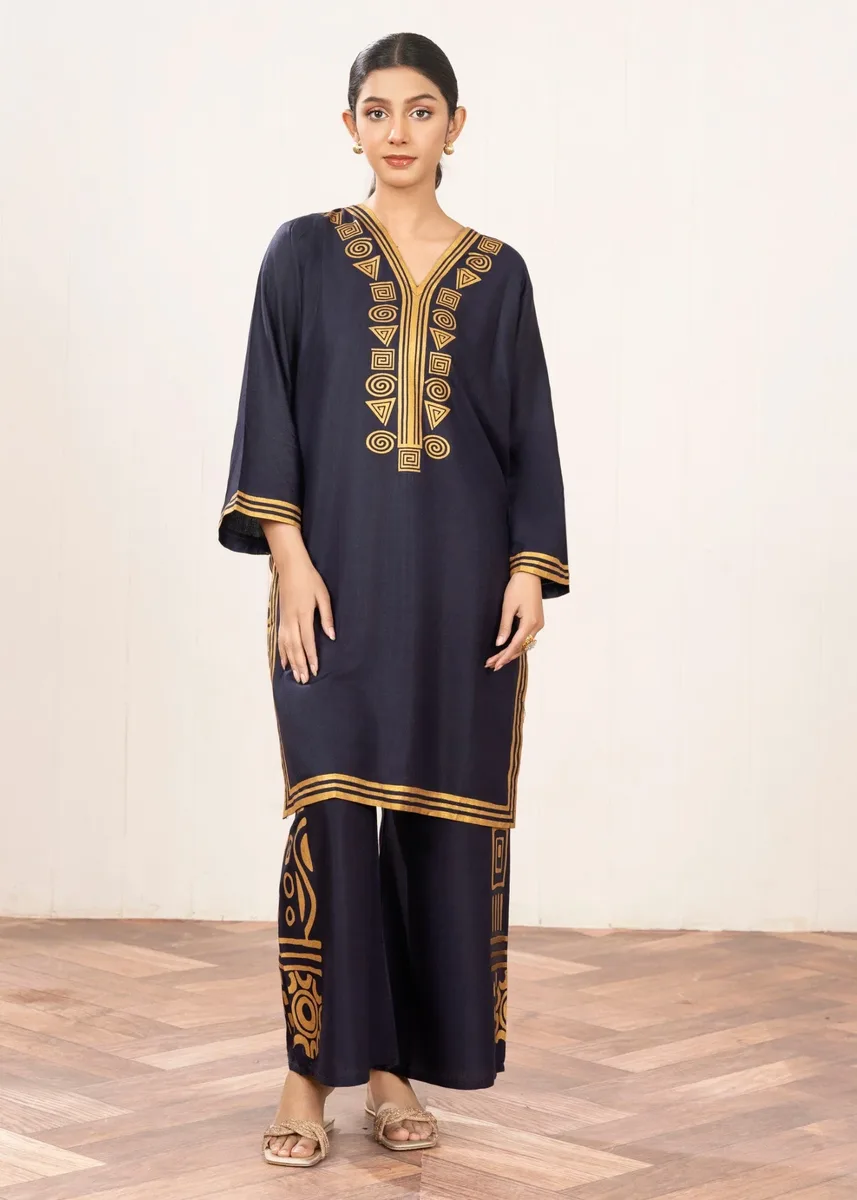
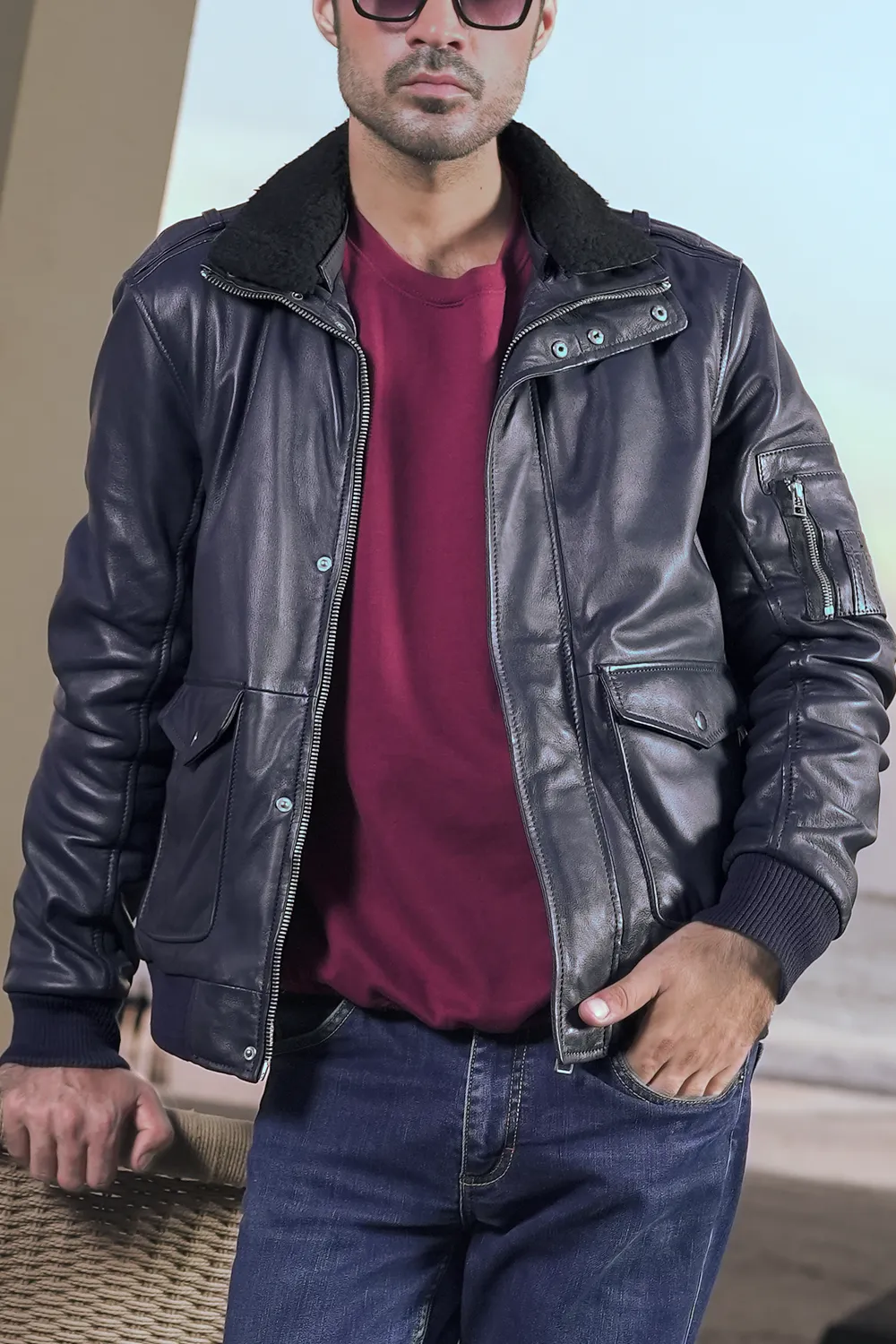
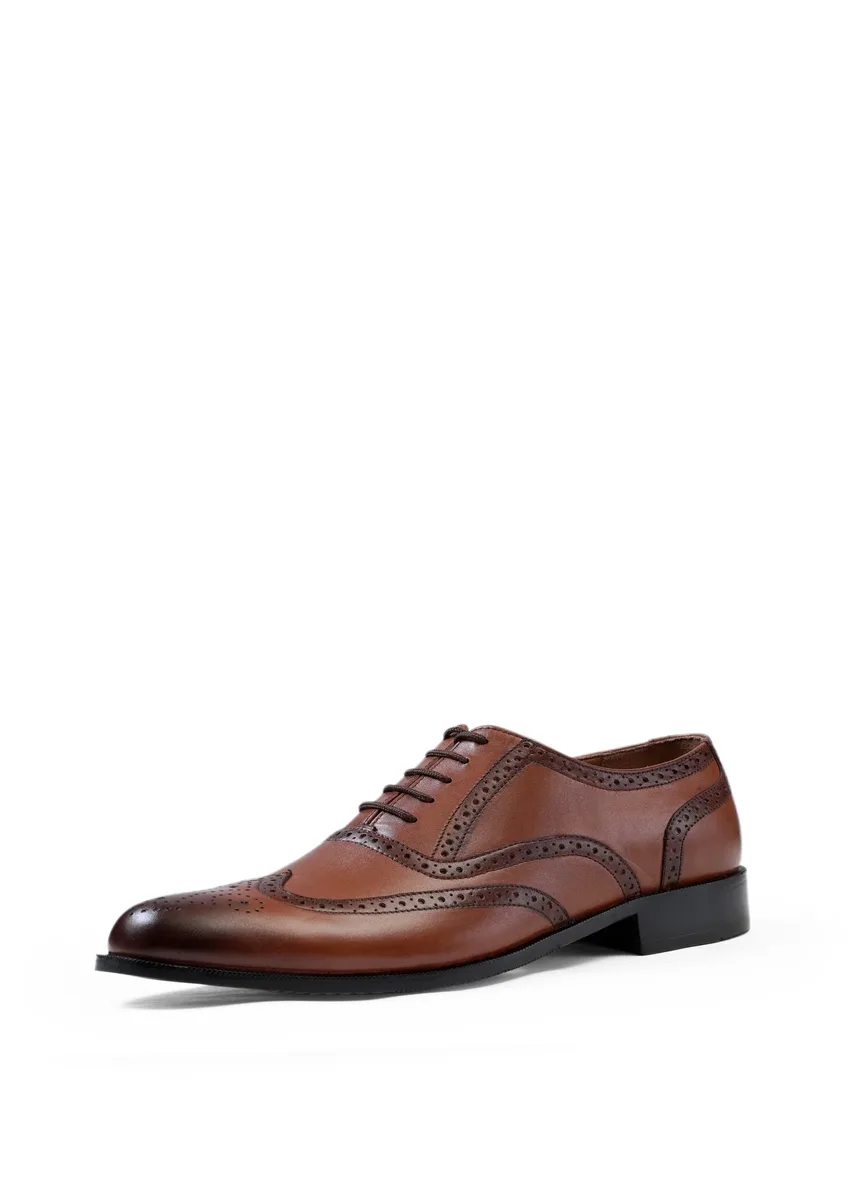
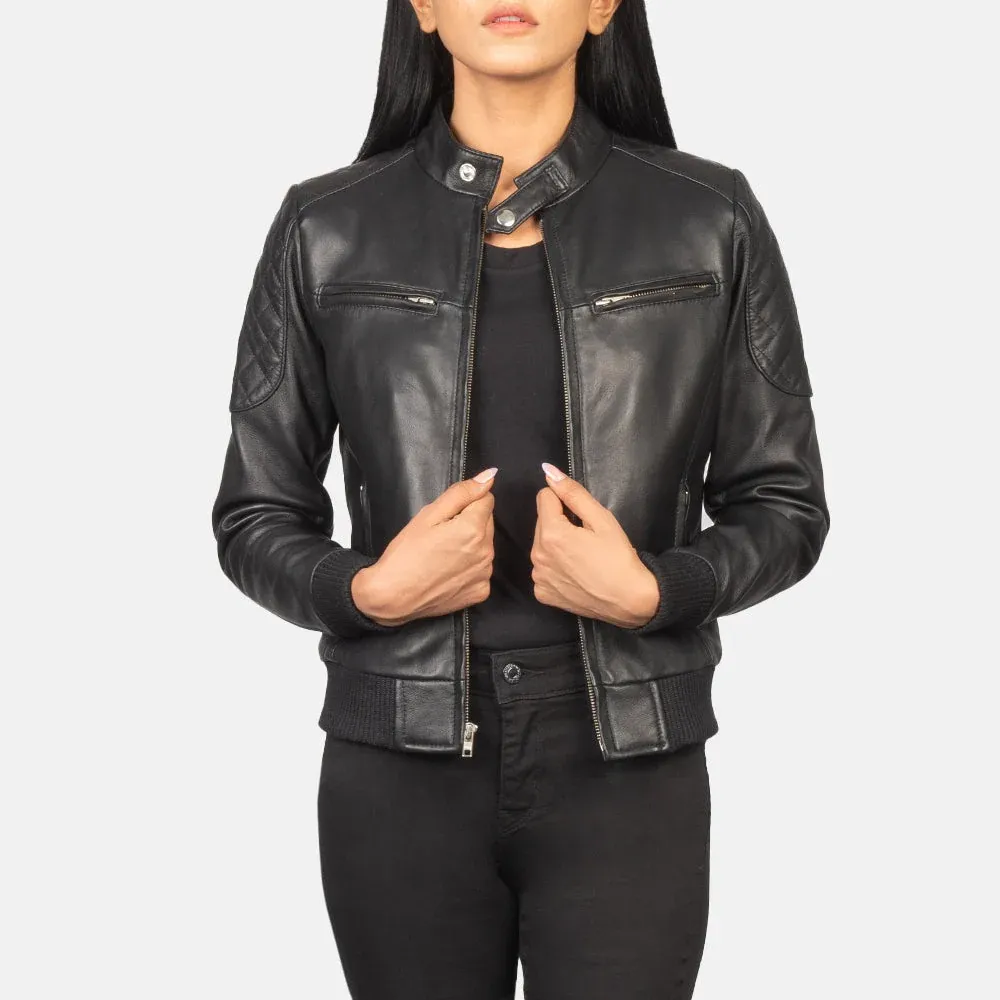
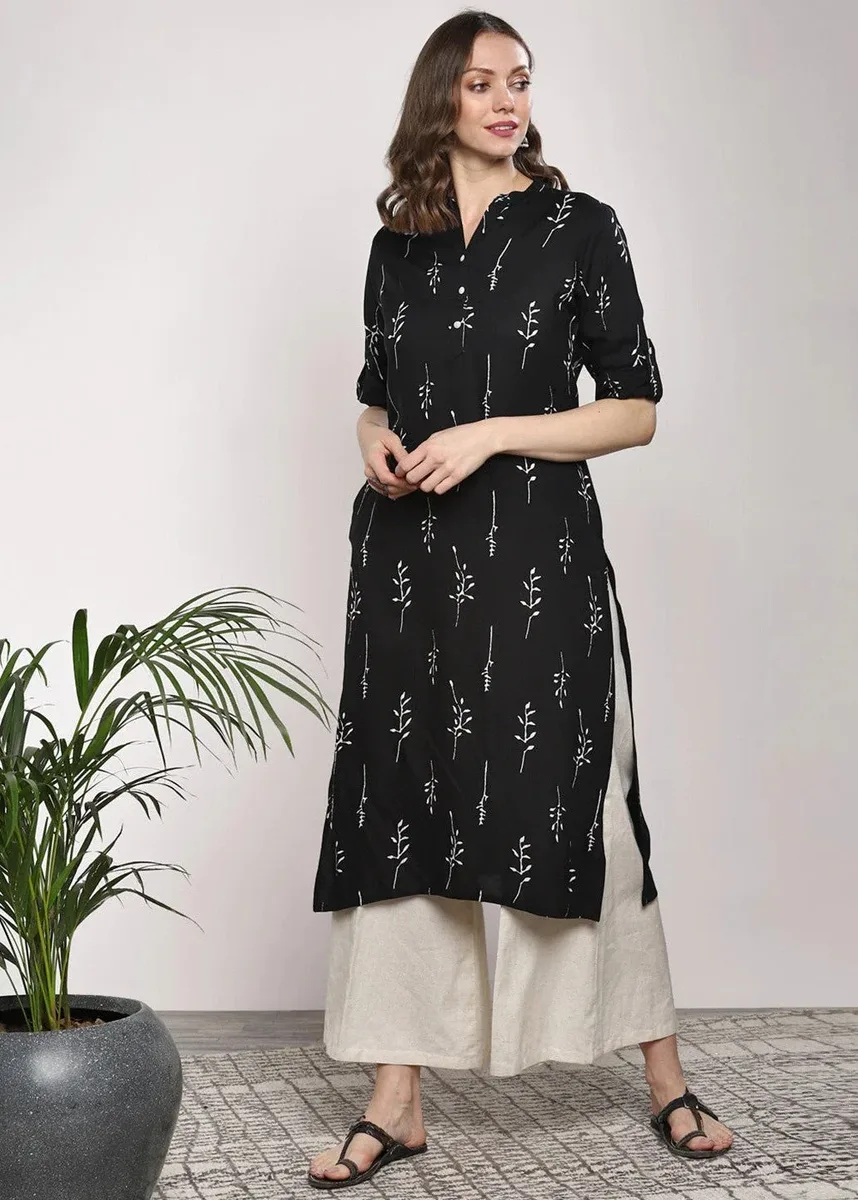
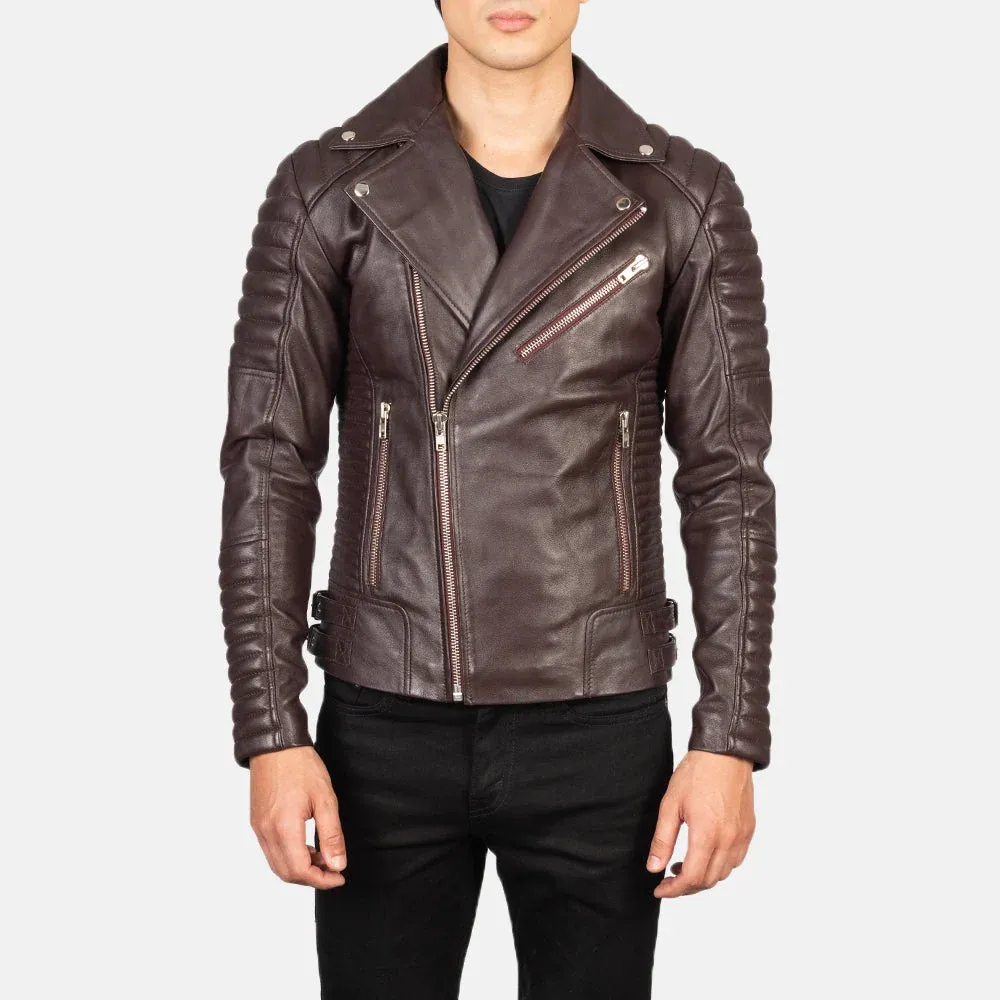
wholesale
How to Import Pakistani Clothing: A Shipping Guide for the USA, UK, Canada & Australia
The clothes are the easy part. What makes first-time importers nervous is everything around the clothes: shipping, customs, paperwork, duties. Will the parcel clear? Will there be surprise charges? Do I need an import license?
This guide walks through the practical mechanics of importing wholesale clothing from Pakistan into the USA, UK, Canada, Australia and beyond — the same process our own wholesale orders follow when we dispatch through international couriers with end-to-end tracking.
How dispatch actually works
When you confirm a wholesale order with us, the physical flow is:
- Quality check — every piece is inspected before packing
- Packing — goods are packed for international transit, with a packing list detailing contents
- Dispatch via international courier — shipped with tracking that is shared with you
- Customs at your border — your parcel is assessed; duties (if any) are settled per your country's rules
- Delivery — the courier completes the final mile
Your job in that chain is only the customs step (and usually the courier handles the paperwork side of it with the documents we supply). Our job is everything before it.
The documents involved in an apparel import
For a typical commercial clothing shipment, the core document set is:
- Commercial invoice — what the goods are, their value, seller and buyer details. This is what customs assesses duty against.
- Packing list — how the goods are physically packed (quantities per carton, weights, dimensions).
- Airway bill / tracking — the courier's transport document, which doubles as your live tracking.
- Certificate of origin — a statement of where the goods were manufactured (Pakistan). Some trade arrangements require or benefit from it; couriers and brokers can advise when it applies to your country.
When you order through us, the shipping-side documentation is prepared as part of dispatch — you receive the tracking and the documents you need for your records.
Duties and taxes: the part to research before you order
Each country taxes apparel imports differently, and the honest answer for any supplier is: check your own country's rules before committing, not after. The good news is the information is public and free.
A few pointers that hold across the major markets:
- HS codes. Traded goods are classified by Harmonized System code. Woven apparel sits in HS chapter 62, knitted apparel in chapter 61, footwear in chapter 64, and leather goods generally in chapter 42. Your customs office's tariff tool (the US HTS database, the UK Trade Tariff, the CBSA tariff, the Australian Border Force tariff) shows the duty rate for each code.
- De minimis thresholds. Many countries allow low-value shipments to clear duty-free or with simplified handling. These thresholds differ by country and have been changing in recent years — check the current figure for yours rather than relying on an old blog post.
- Sales tax / VAT / GST. Import VAT (UK/EU), GST (Canada, Australia) and sales-tax handling are separate from customs duty and depend on your business registration. Registered businesses can typically reclaim or offset import VAT/GST — your accountant's territory.
- Business imports. If you are importing goods for resale, make sure you understand your registration obligations (e.g., an EORI number in the UK, an importer number in the US, a business number for Canadian imports).
One warning: anyone quoting you an exact all-in duty number without knowing your country, the product mix and the shipment value is guessing. Use the official tariff tools, or a customs broker for your first larger order — their fee is small against the certainty.
The sample-then-scale workflow
Experienced importers almost all follow the same rhythm, and we recommend it:
Order 1 — Samples
A small order of your hero references. You verify quality, fit and the end-to-end shipping experience. Yes, per-unit cost on samples is worse — that is the price of the information.
Order 2 — The pilot
Depth in your best 3-8 references, sized and split for your market. This order tests real sell-through: what actually moves, at what price, to whom.
Order 3+ — Scale what worked
Now you know your winners. Replenish proven references, drop the slow ones, and negotiate volume confidently because you have real data.
The alternative — starting with a container-sized guess — is how boutiques end up with a storeroom of last season's mistakes.
Ten ways buyers save money on freight
- Consolidate categories. Suits, jackets, boots and bags in one dispatch beat four separate shipments on cost every time.
- Prefer unstitched where sensible. It packs flat — more product per kilo.
- Order before the season, not in it. Rush shipping is premium shipping.
- Full quotes upfront. Give quantities and destination early so shipping is quoted with pricing — no surprises at dispatch.
- Right-size the order. One well-packed shipment beats two half-full ones.
- Check thresholds. Structure order values around your country's duty rules where practical.
- Reuse packaging materials for your own local deliveries where the goods allow.
- Weigh value density. Heavy-embroidery pieces and leather goods carry high value per kilo — they travel "cheaper" per unit of value than bulky basics.
- Track and receive promptly. Storage and redelivery fees at your end eat margins.
- Ask us. We ship internationally constantly — tell us your destination and volume and we will advise what works best.
Frequently asked questions
Which countries do you ship to? Worldwide. Orders are dispatched through international couriers with tracking shared until delivery.
Who pays customs duties? Duties and import taxes at your border are the importer's responsibility, following your country's rules. Your quotation covers goods and shipping; customs charges are settled per your local process.
Do I need an import license to buy clothing? For most personal-scale and small-business imports of apparel into the US, UK, Canada and Australia, no special license is needed — but registration requirements (importer numbers, GST/VAT registration) vary. Check your customs office's guidance for imports for resale.
How are shipments packed? Quality-checked, then packed for international transit with a packing list. If you need specific export packaging (e.g., polybags per piece, hanging garments), raise it in your inquiry — if it is achievable within our supply chain, we will say so.
Can I track my order? Yes — tracking is shared with you at dispatch, through delivery.
Is insurance available? Raise it with your inquiry and we will discuss the options available for your destination and shipment value.
Ready to run your first import?
Send us your references, quantities and destination. You will get a quotation with per-item wholesale pricing, availability, sizes and shipping options — everything you need to plan the order properly.
- WhatsApp: Start your import inquiry
- Browse: all products — every reference is available at wholesale terms
- Overview: the huzi.pk wholesale page
Start with the basics: Pakistani Wholesale Clothing — The Complete Sourcing Guide.
Planning a Trip? Let HTG Travel Handle the Hard Parts
HTG Travel is a Sialkot-based travel agency that books flights with official, verifiable e-tickets, plans Umrah and family trips end to end, and sorts visas, hotels, and stopovers with the full budget stated in writing before you commit. One WhatsApp message gets you a live quote in minutes.
Flights · Umrah packages · Visit & study visas · Hotels · Travel insurance — live fares, honest answers, zero guesswork.