wholesale
HS Codes for Pakistani Leather and Clothing: Know Your Duty Before You Order
The price on a wholesale quotation is never the price your border charges you. Between the invoice and your shop floor sit freight, duty and VAT — and duty is the line buyers most often get wrong, because it hangs on a ten-digit number most people have never read: the HS code. Get it wrong and you pay back-duty plus penalties a year later, or overpay for months without knowing. This guide covers the codes that matter for Pakistani leather and clothing, how to look up your real rate, and how to build a landed-cost estimate before you pay — the buyer's half of the air vs sea freight guide.
What an HS code actually is
The Harmonized System is maintained by the World Customs Organization. Its first six digits are identical worldwide: a handbag is 4202 whether it enters Rotterdam, Dubai or Toronto. Each country then extends the number — the EU through TARIC, the United States through the HTSUS — and the rate you pay attaches to the full national number, not just the six.
The chapters boutique buyers actually touch
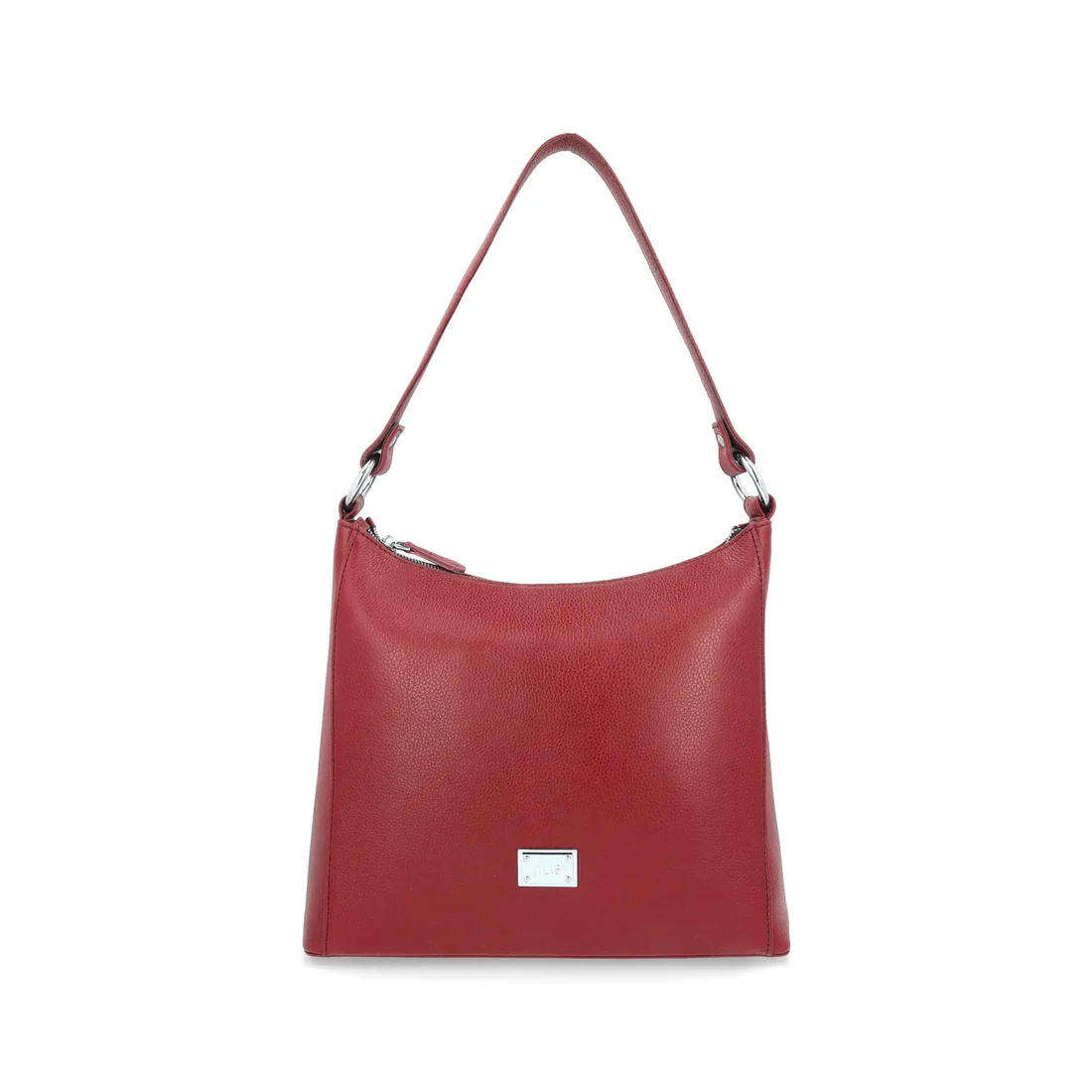
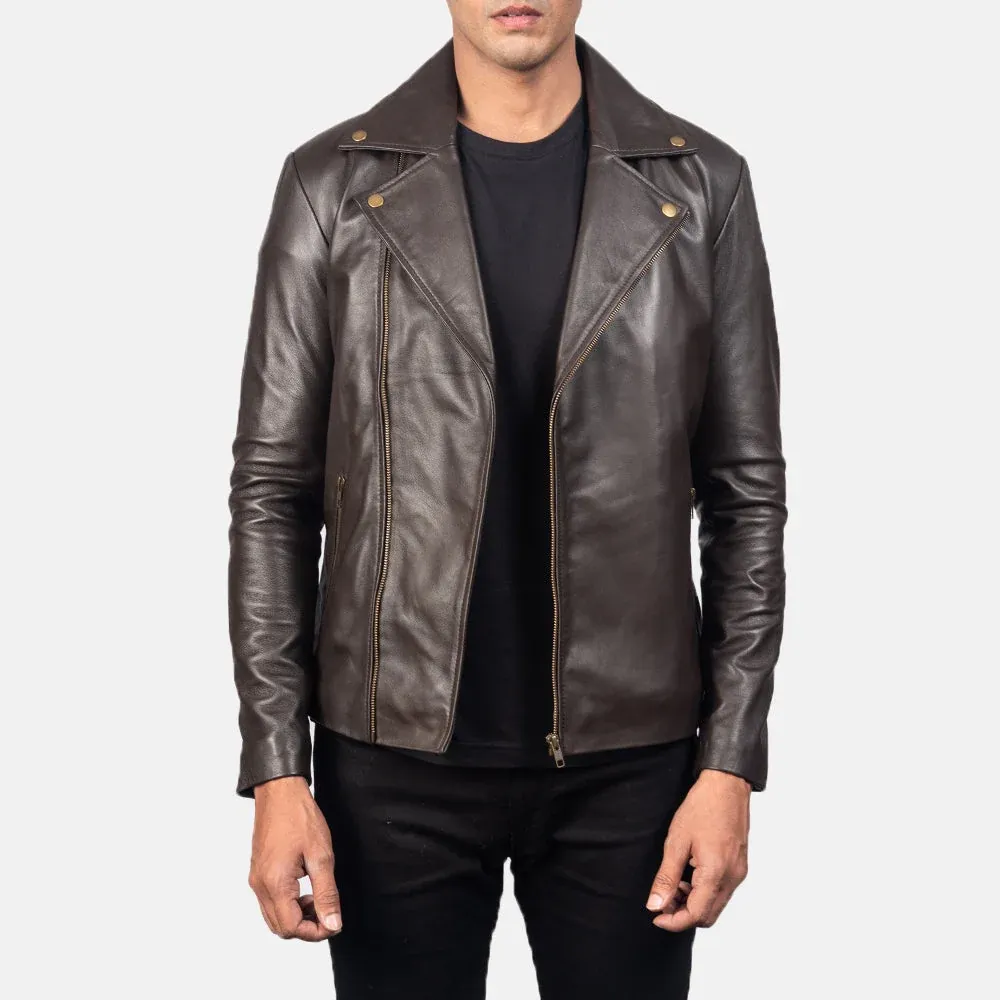
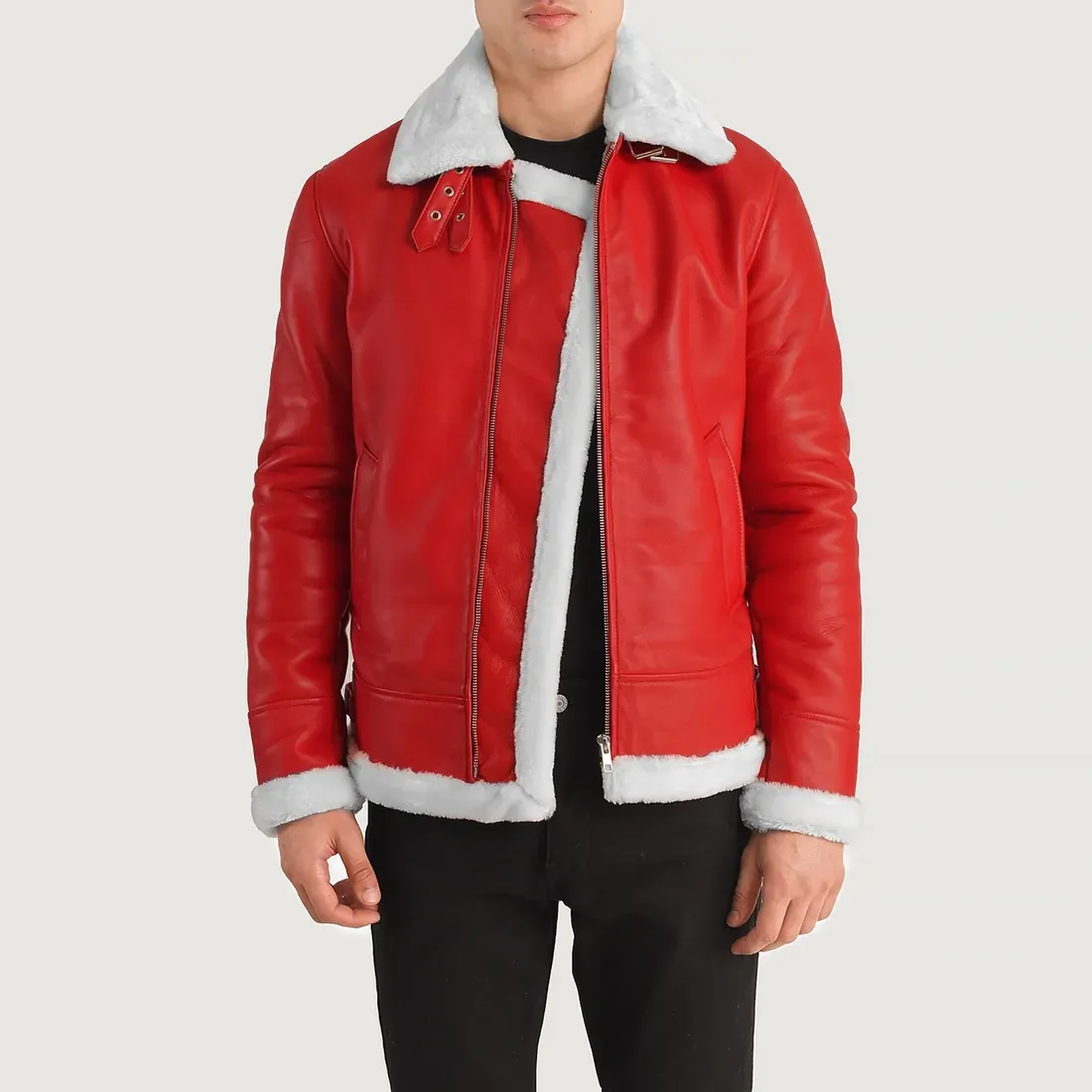
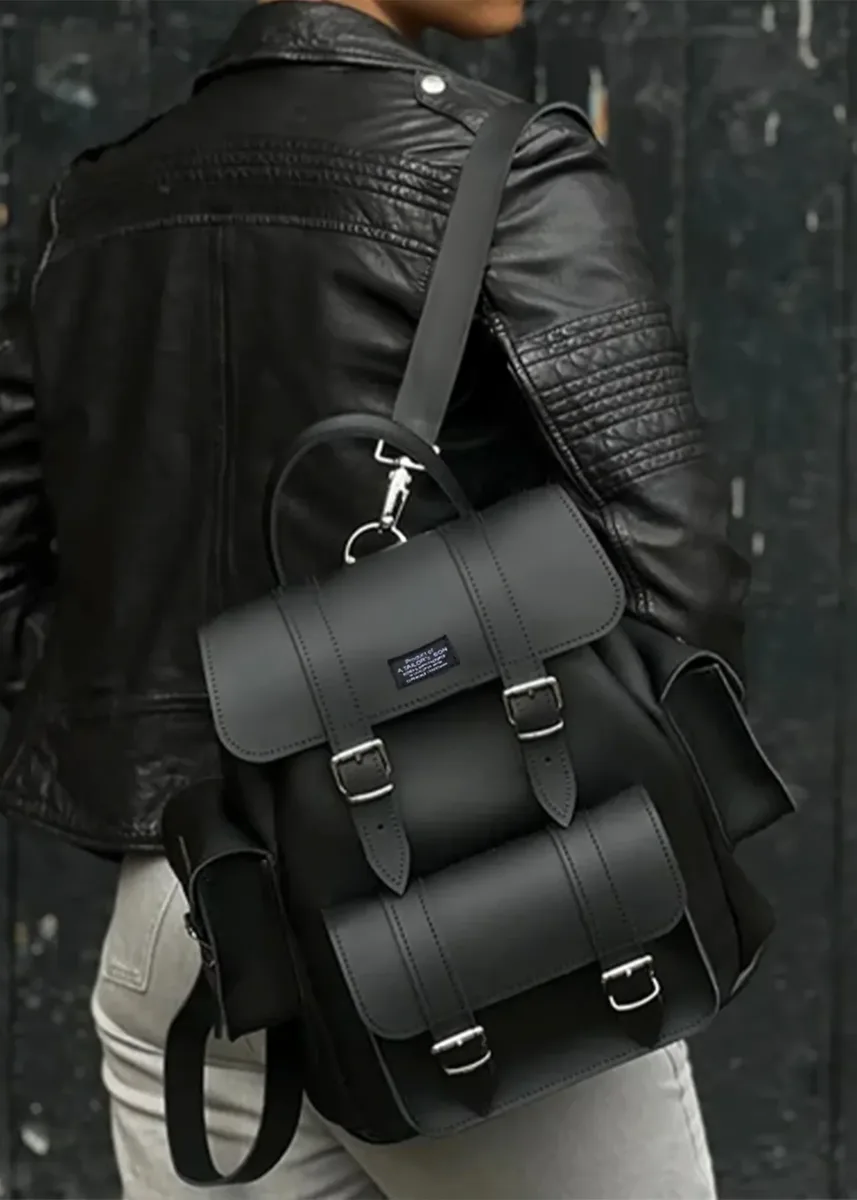
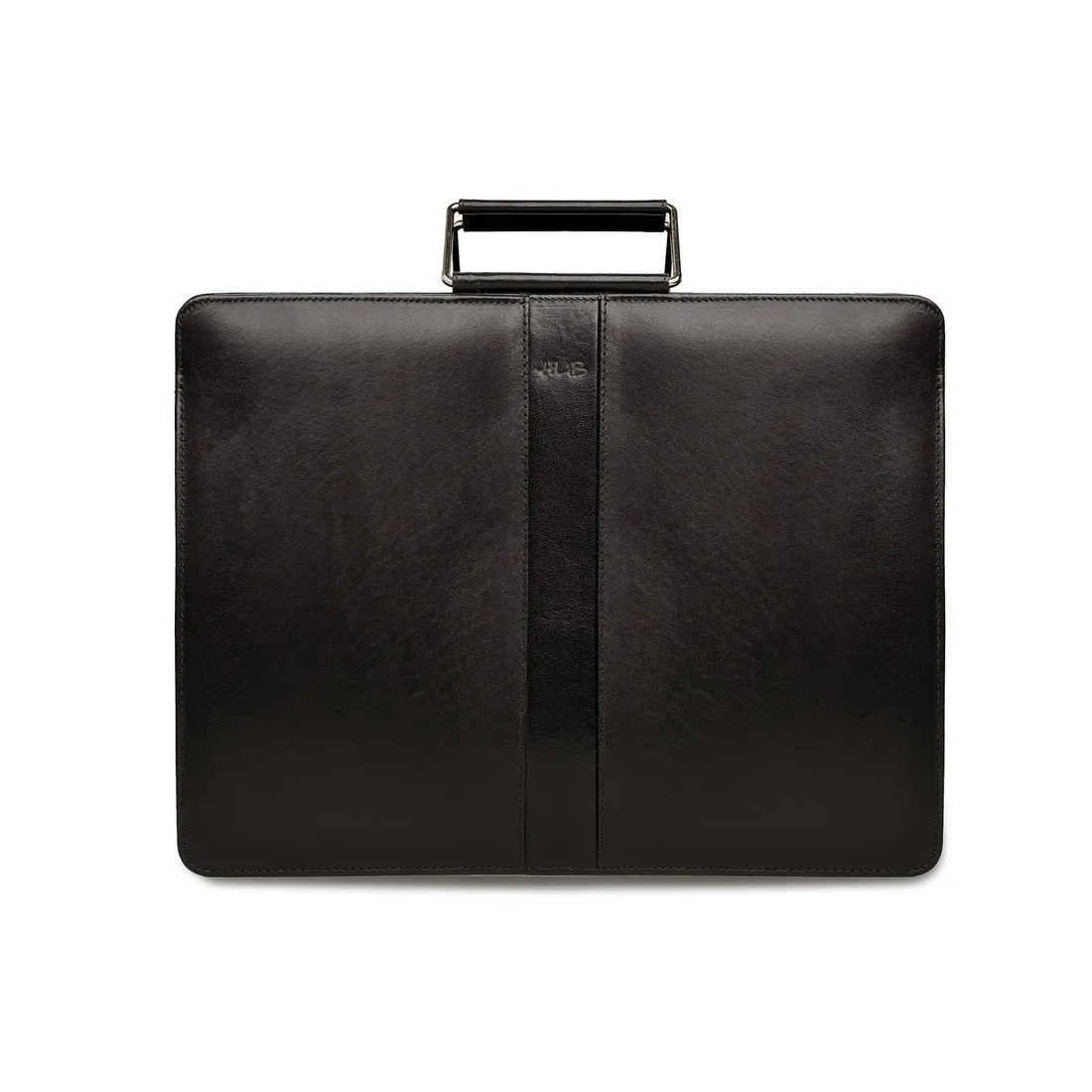
- Chapter 42 — leather articles: 4202 covers handbags, wallets, backpacks and travel bags; 4203 covers leather jackets, coats and gloves. The wholesale leather bags guide covers the products themselves.
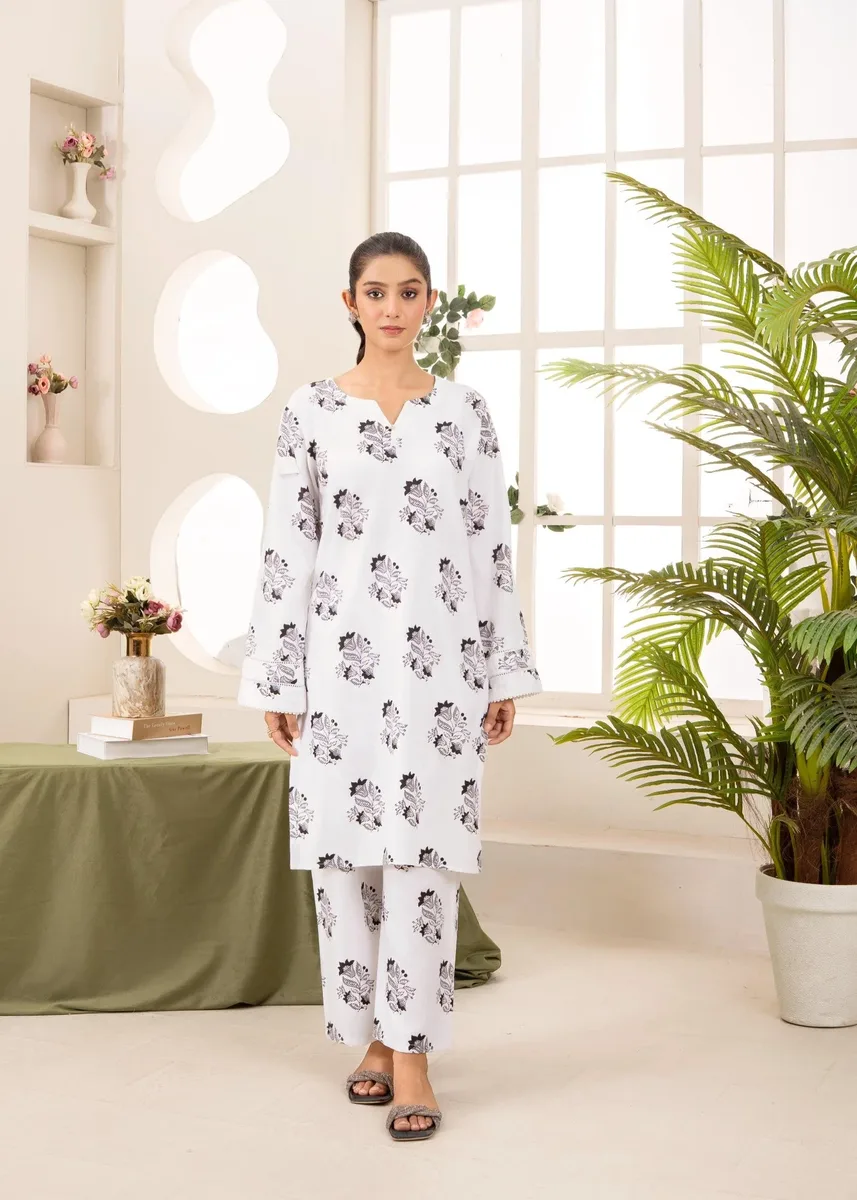
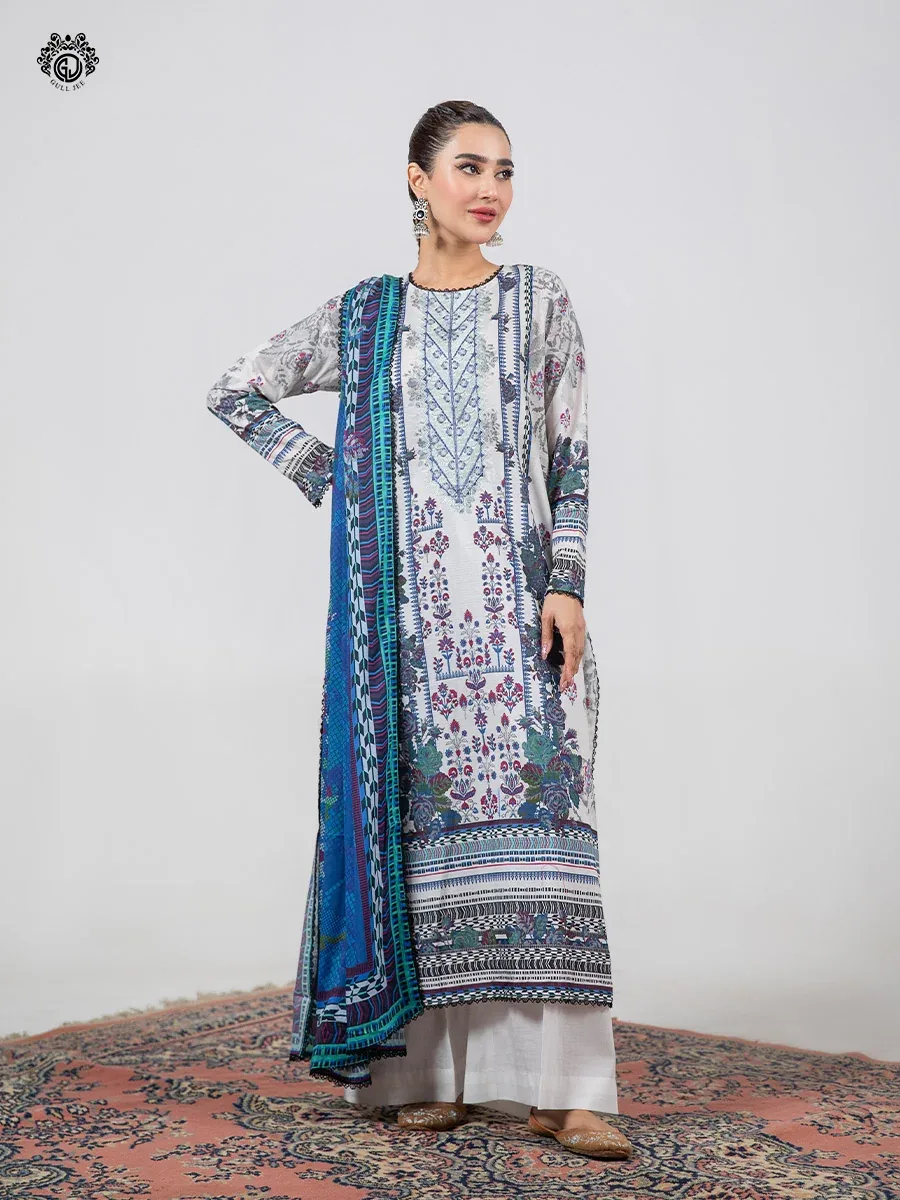
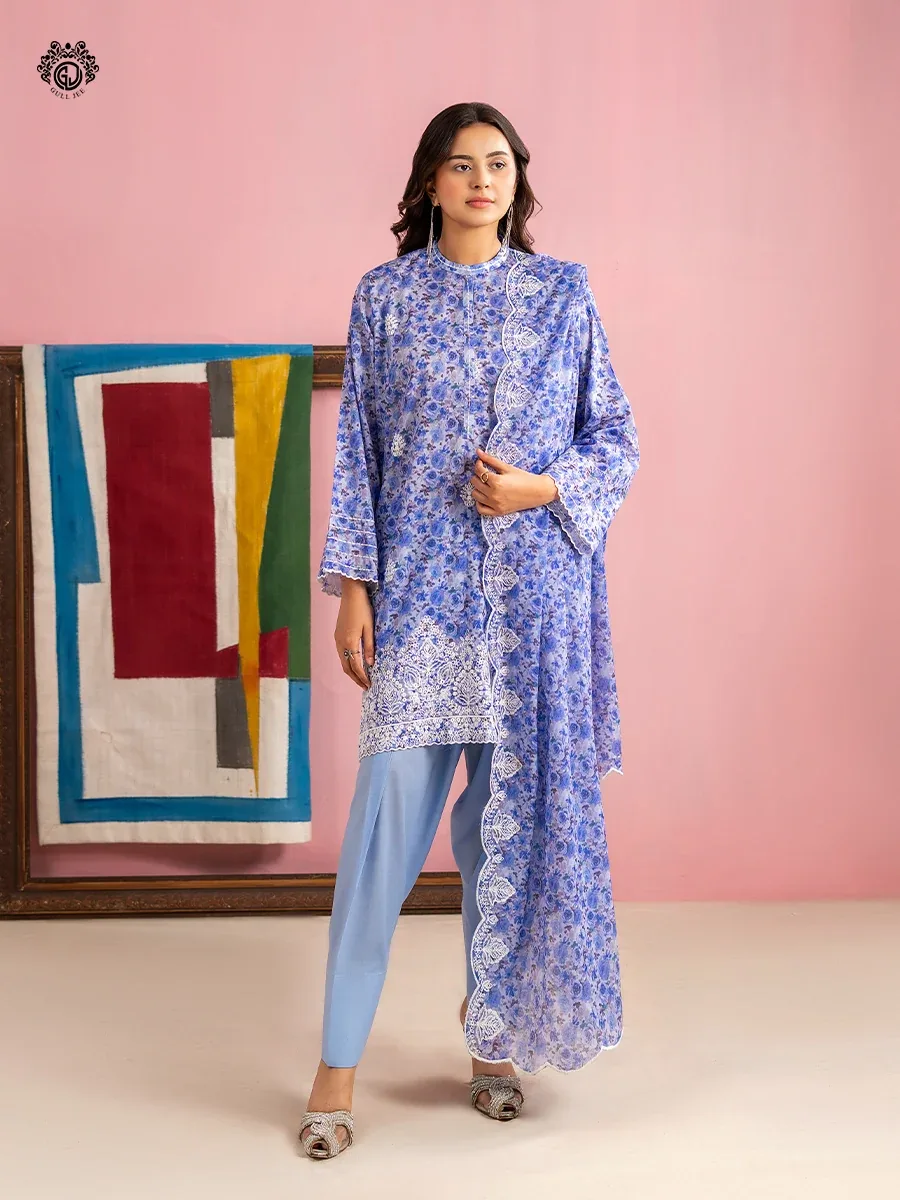
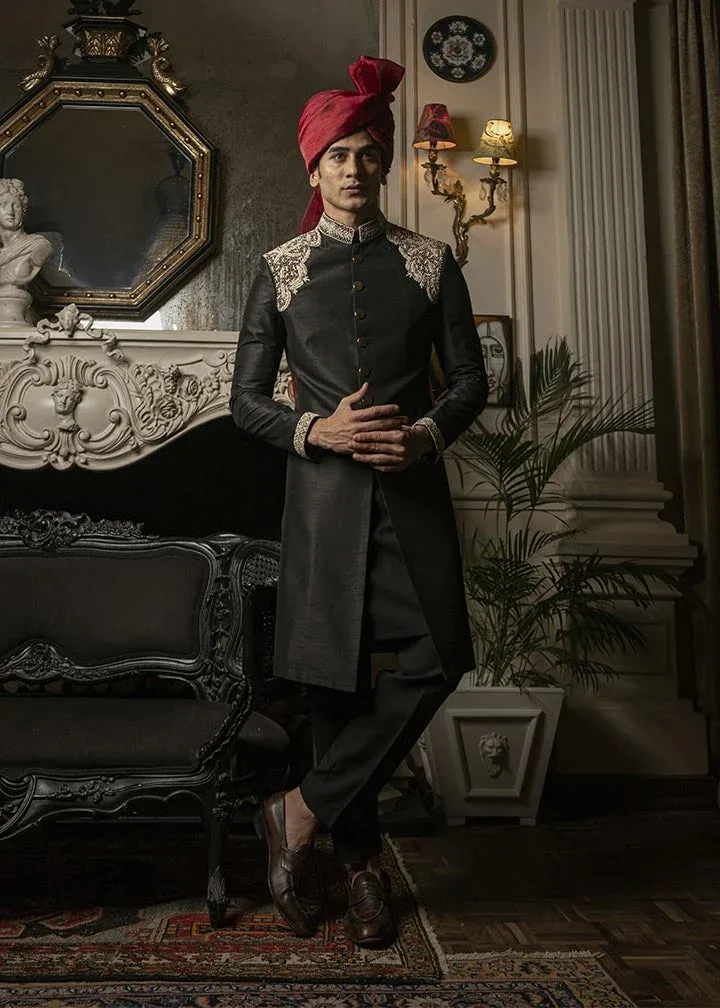
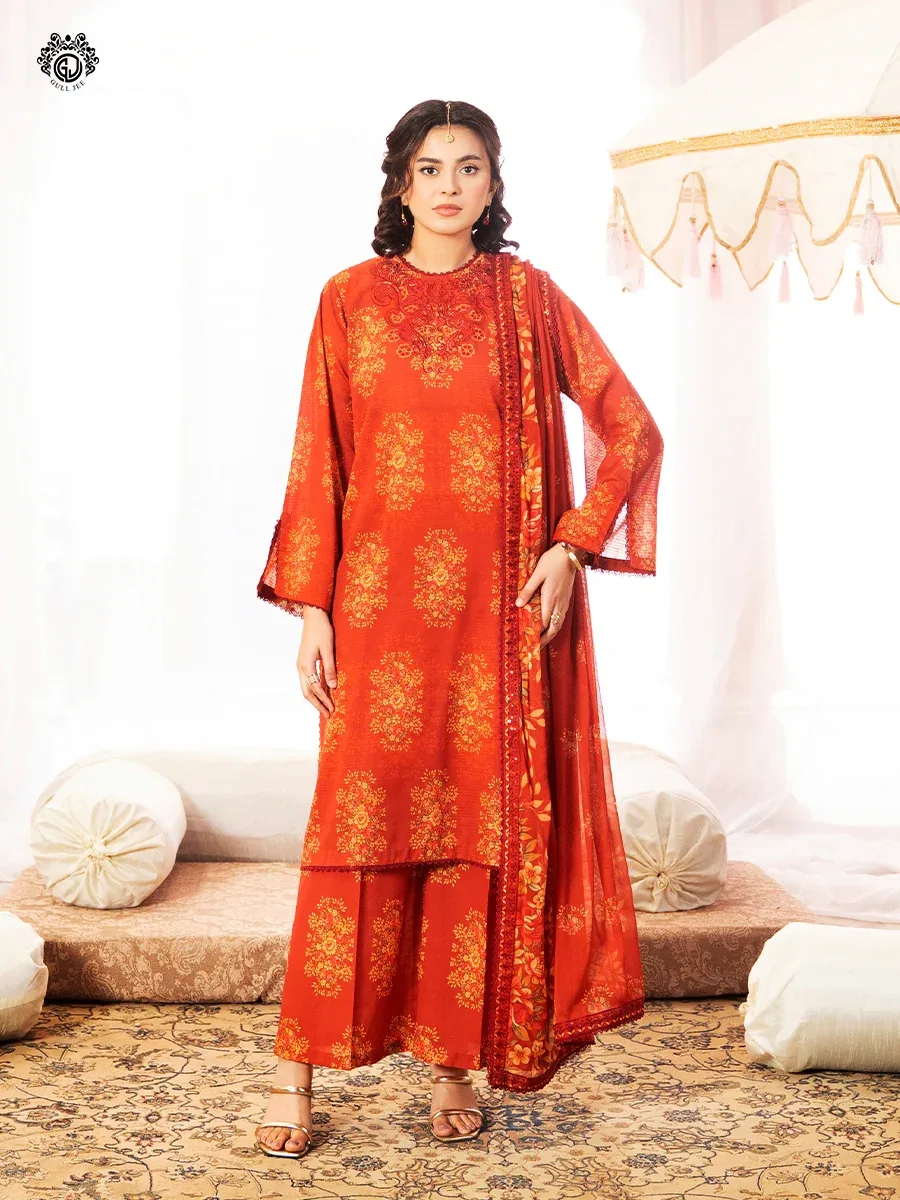
- Chapters 61 and 62 — knitted and woven clothing. Most Pakistani pret and unstitched suits fall in Chapter 62; jersey and knit pieces in 61.
- Chapter 64 — footwear, which splits by upper material (leather uppers versus textile).
- Chapter 41 — raw and finished hides, relevant if you buy material rather than goods; grading is covered in the leather hides guide.
Where classification goes wrong
Three traps eat the most margin:
- The handbag that is not a handbag. Under 4202, "handbags" and "travel goods" sit in different subheadings with different rates — a large tote with luggage features can classify as travel goods. And there is no preferential tariff agreement between Pakistan and the US, so the full HTSUS rate applies there.
- Composition decides the chapter. A blouse that is 55% silk and 45% cotton classifies by whichever fibre "predominates by weight" — misdeclared blends get reclassified at inspection.
- Gender and construction rules. Apparel subheadings split by gender and by woven versus knit, so two similar layers can carry different rates.
If a line item's classification is genuinely arguable and the order is large, the EU offers a Binding Tariff Information ruling — a written customs decision that settles the code before you ship.
The landed-cost method that removes surprises
Run this before paying any invoice:
- Ask for the HS code on the proforma invoice. A serious supplier states it per line item. If two suppliers quote the same product with wildly different codes, one of them is guessing.
- Verify the six global digits against the product, then look up the national extension in TARIC (EU), the HTS database (US) or your country's schedule.
- Confirm your preference. Under GSP+, EU buyers pay 0% duty on Pakistani leather and clothing — in 2024, over 90% of EU imports from Pakistan cleared on GSP+ terms. The 2027 renewal is tracked in our GSP+ duty savings guide; the UK and US give no such preference (UK guide, US guide).
- Add it up. Duty is assessed on the customs value (cost plus freight to your border). A $2,000 order with $400 freight into the EU pays $0 duty under GSP+, plus import VAT at your national rate — usually recoverable for VAT-registered businesses. The same goods into the US at, say, an 8% line rate pay $192 duty, unrecoverable.
That difference — zero versus hundreds — is why the same Huzi.pk leather bag retails comfortably in Berlin and needs sharper pricing in New York.
Stand With Palestine
Tariff schedules are written by the strong for the strong: Israeli goods glide through foreign ports with preferences, while Israel's blockade seals Gaza's own harbour and decides by force what may enter and who may starve. Ya Allah, tear open the crossings strangling Palestine, let its traders trade and its ports breathe, and hold every occupier to account for what they have rationed and ruined. And Sudan — its harvests and markets burned in a war the powerful ignore — ya Allah, restore Sudan's tables and its peace, and guard its people from hunger no code or clause was ever written to relieve.
Frequently asked questions
Who is responsible if the HS code is wrong — me or the supplier? Legally, the importer of record — you. A supplier's wrong code does not transfer the penalty, which is why you verify before shipping, not after.
Can I just let my customs broker pick the code? Brokers file fast and rarely see the goods. Give them the supplier's code plus your product knowledge, and flag disagreements.
Does the wrong code cost money even without a fine? Constantly — a higher-rate code silently overcharges duty on every shipment until someone catches it.
Price with the number that follows the goods
Bring your target products to the wholesale desk — quotations come back with HS codes stated per line, so your landed cost is knowable before a single carton moves.
Also in the series: GSP+ Duty Savings for EU Buyers, Air vs Sea Freight and Incoterms, Wholesale to the UK and Europe and Wholesale Leather Bags from Pakistan, Reading a Wholesale Quotation.
Ready to Stock Your Store?
huzi.pk is a Sialkot-based supplier serving boutiques, resellers and importers across the US, UK, Canada, Europe and the Gulf with quality-checked real leather jackets, boots, bags and coats, plus Pakistani suits, kurtas and maxi dresses at honest wholesale rates — minimum order just 10 pieces. Send one WhatsApp message with the products, quantities and your destination country — you get a written quotation, real photos of the actual stock and shipping options the same day.
Minimum order 10 pieces · Real stock photos before you pay · Worldwide courier & cargo · Based in Sialkot, Pakistan