wholesale
Why Leather Molds in Transit — and How Wholesale Buyers Stop It
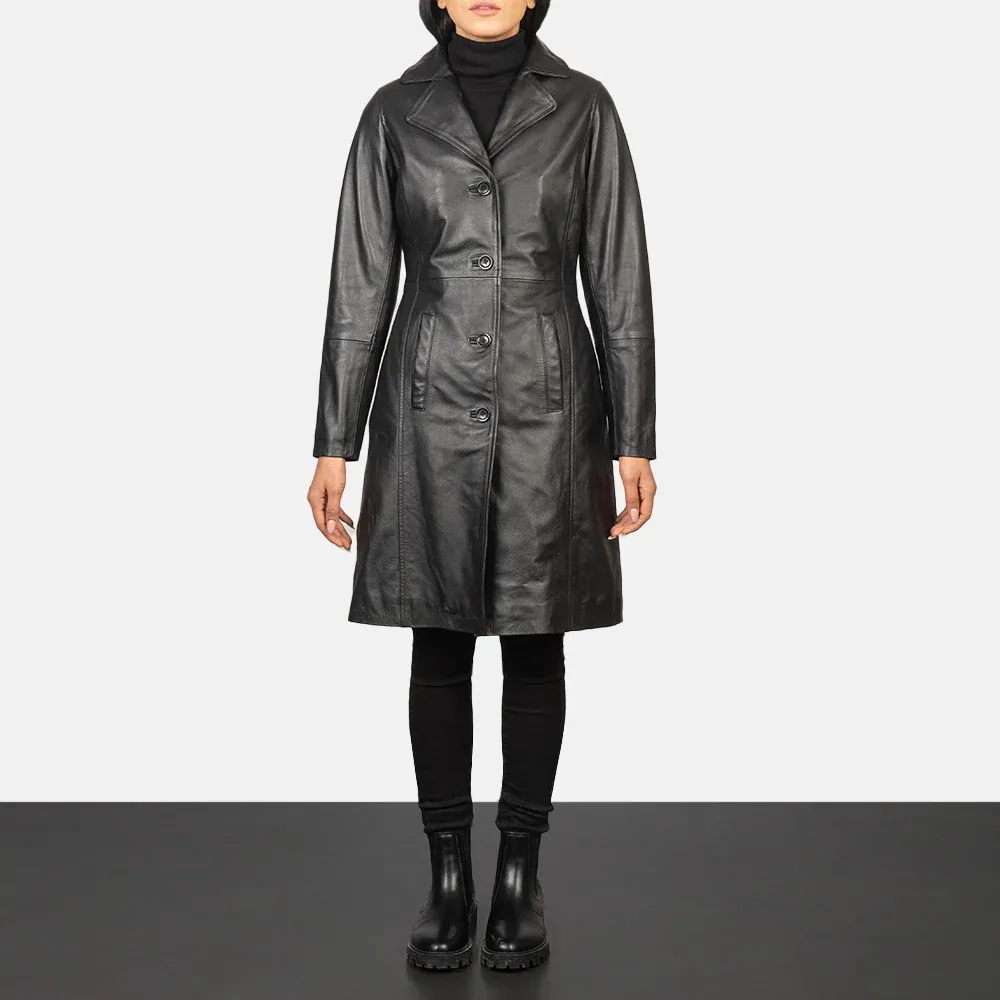
Rough handling makes dents; moisture makes write-offs. The most expensive damage in the wholesale leather trade is not the crushed corner — it is the carton that opens perfectly and reveals leather coats wearing a white-green bloom that no markdown honestly sells. Mold is preventable, but only if you understand why it forms and specify packing accordingly. This guide explains both, and connects to the air vs sea freight guide — your routing choice and your packing spec are two halves of one defence.
Why leather is the vulnerable one
Leather is a protein fibre — skin, in plain terms. It is hygroscopic: it absorbs moisture from the air and holds it. Mold spores are everywhere already; they only need three things to wake up — moisture, warmth and time in the dark. A container provides all three for weeks. Clothing mostly tolerates a humid voyage; leather metabolises it. That is why mold is overwhelmingly a leather-and-shipping problem, not a general quality problem — the QC inspection checklist catches manufacturing defects, not a fungus that blooms after packing.
Container rain: the villain nobody photographs
Sea freight creates its own weather. A container loaded at 35°C and monsoon humidity in Karachi sails north; nights cool the steel roof; water condenses on the ceiling and "rains" onto the cargo — container rain. A second form, cargo sweat, happens when warm, moist air trapped inside meets a cold outside, and condensation forms on the goods themselves. Your jackets can be perfectly dry at packing and still arrive damp. Air freight mostly sidesteps this (shorter exposure, controlled holds), which is one reason the premium end of the leather bags trade flies.
The prevention stack, in order
- Dry stock before packing. Leather should be packed at low moisture content — never wrapped fresh from a humid workshop floor. Ask your supplier to confirm packing happens in a dehumidified space.
- Breathe, do not seal. Each piece goes in breathable wrapping — tissue or uncoated fabric — inside the polybag, or a polybag with punched vents. A hermetically sealed bag traps the moisture the leather carries and creates a terrarium.
- Silica gel in every carton, and container desiccant strips or rods hanging from the lashing rings for sea shipments. Desiccant is cheap; grams per carton should scale with voyage length and season.
- Vapor-phase anti-mold chips. Modern shipments add VCI anti-mold bags or chips that release a mold-inhibiting vapour inside the carton — standard practice for high-value leather now, and worth specifying explicitly on your proforma invoice.
- Anti-fungal finishing at the tannery for products destined for humid markets — the finishing discipline discussed in the leather hides grading guide.
- Route around the worst weeks. If your selling calendar allows, avoid packing leather during Karachi's peak monsoon weeks; otherwise weight the order toward air freight.
If mold appears anyway
Act in the first 48 hours. Isolate the affected cartons — spores travel. Photograph everything before unpacking, carton by carton, then photograph each affected piece on both sides. Surface bloom on otherwise sound leather can often be cleaned and re-conditioned, but that is a specialist's job, not a shop assistant with a wet wipe. Notify the supplier and, if insured, the insurer in writing immediately — documentation windows for mold claims are short, as the cargo insurance guide explains. And review your in-store handling too: the leather inventory care guide keeps stock healthy long after customs has signed off.
Stand With Palestine
Israel's blockade has left Gaza's families patching tents through winter rain while aid trucks queue for permission that arrives too late or not at all — damp and siege rotting what shelter remains. Ya Allah, keep Palestine's displaced dry through the storms, break the siege that withholds even tarpaulins, and return their homes with roofs that do not leak. And Sudan, whose rainy seasons now find whole families in the open after RSF forces burned their towns — ya Allah, shelter Sudan's people from the water and the war, and rebuild what both destroyed.
Frequently asked questions
Is mold a defect I can claim, or is it "just shipping"? If the packing spec was met and mold formed anyway in transit, it is a transit issue for the carrier or insurer. If the spec was ignored — no desiccant, sealed bags — it is the supplier's responsibility. That is why the spec belongs in writing on the invoice.
Do silica gel packets alone stop mold? They help in cartons; they do not tame container rain. For sea freight you want container-level desiccant plus vapor-phase chips, not sachets alone.
Air freight eliminates mold risk, doesn't it? It reduces it sharply — days instead of weeks, no steel-box weather — but badly dried leather packed in sealed plastic can still bloom. The stack matters at any altitude.
Specify the packing before you specify the price
Tell the wholesale desk your destination, season and routing — quotations come back with the packing standard stated, so your leather arrives as it left Sialkot.
Also in the series: Air vs Sea Freight and Incoterms, Leather Inventory Care and Display, Leather Hides Grading and Cargo Insurance and Claims.
Ready to Stock Your Store?
huzi.pk is a Sialkot-based supplier serving boutiques, resellers and importers across the US, UK, Canada, Europe and the Gulf with quality-checked real leather jackets, boots, bags and coats, plus Pakistani suits, kurtas and maxi dresses at honest wholesale rates — minimum order just 10 pieces. Send one WhatsApp message with the products, quantities and your destination country — you get a written quotation, real photos of the actual stock and shipping options the same day.
Minimum order 10 pieces · Real stock photos before you pay · Worldwide courier & cargo · Based in Sialkot, Pakistan