wholesale
Pret vs Unstitched: Which Pakistani Suits Should Your Store Stock?
Every boutique owner who buys Pakistani fashion eventually faces the same fork in the road: stitched pret or unstitched suits?
It is not a small decision. The format you choose determines your sizing risk, your freight bill, your display strategy, who your customer is, and how often she comes back. Most stores eventually answer "both" — but the mix is where the profit lives.
This guide compares the two formats honestly, so you can decide your mix with numbers instead of instinct.
The two formats, precisely
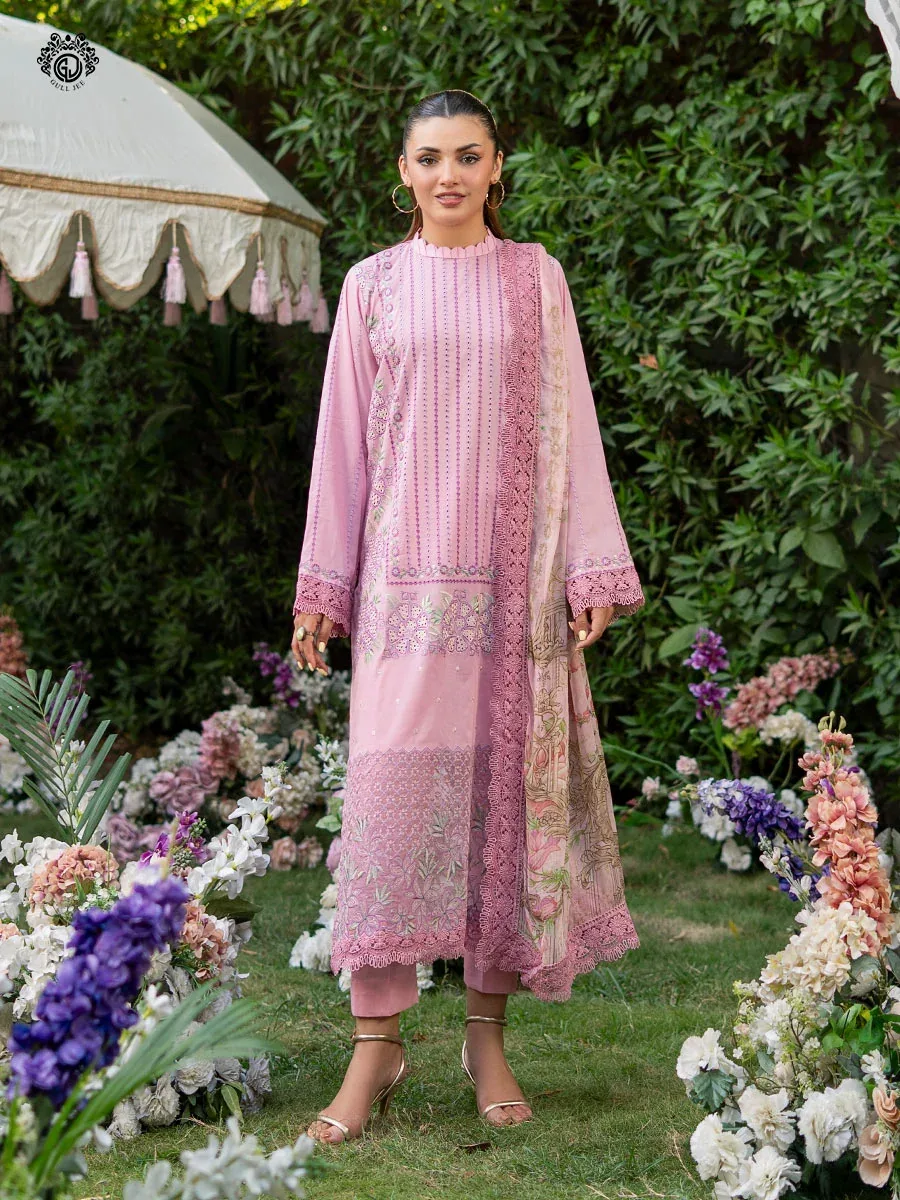
Unstitched suits are fabric sets: shirt fabric (kameez), dupatta and trouser material — printed or embroidered, but uncut. Your customer takes the set to her tailor and has it made to her exact measurements and preferred cut. It is the traditional way South Asian women buy clothing, and it remains enormous.
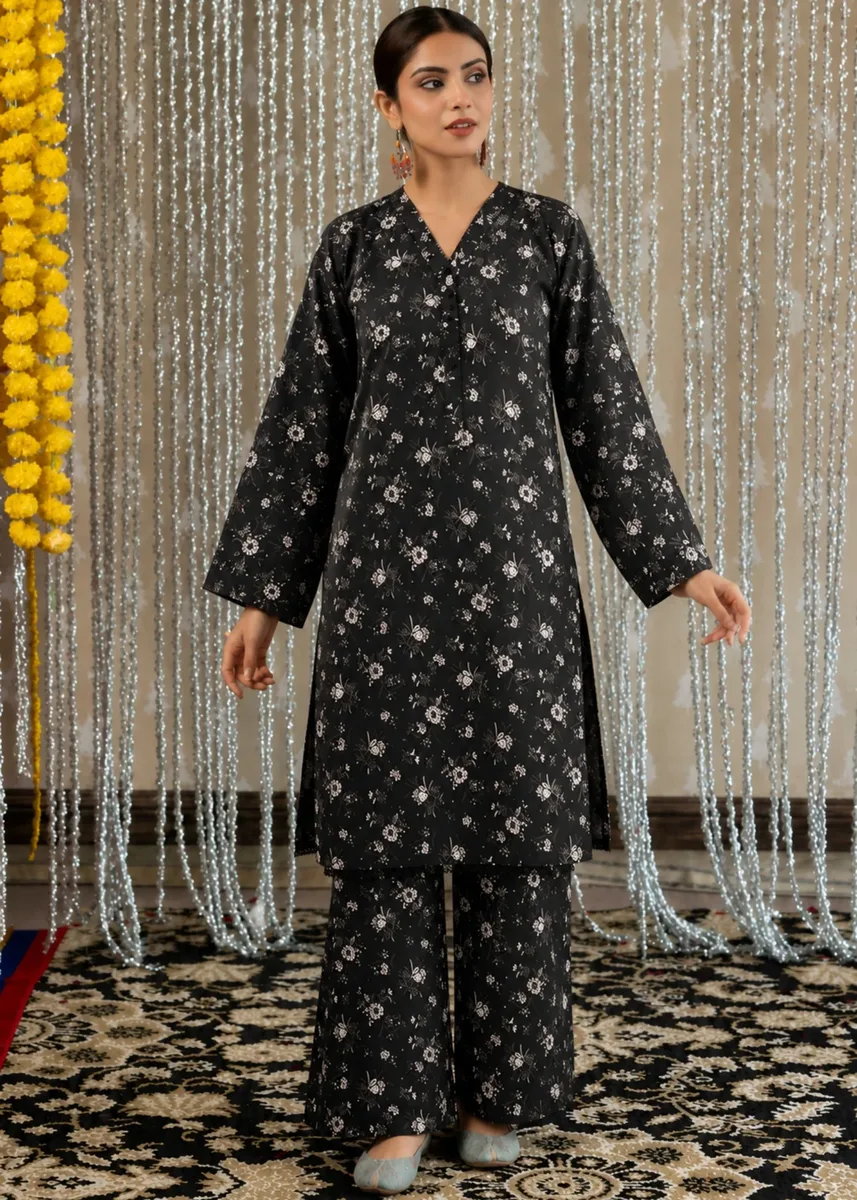
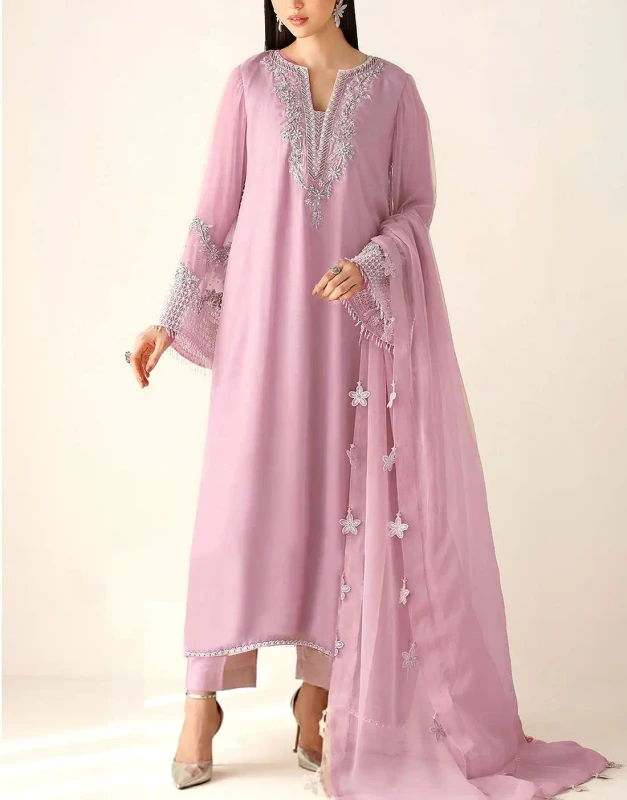
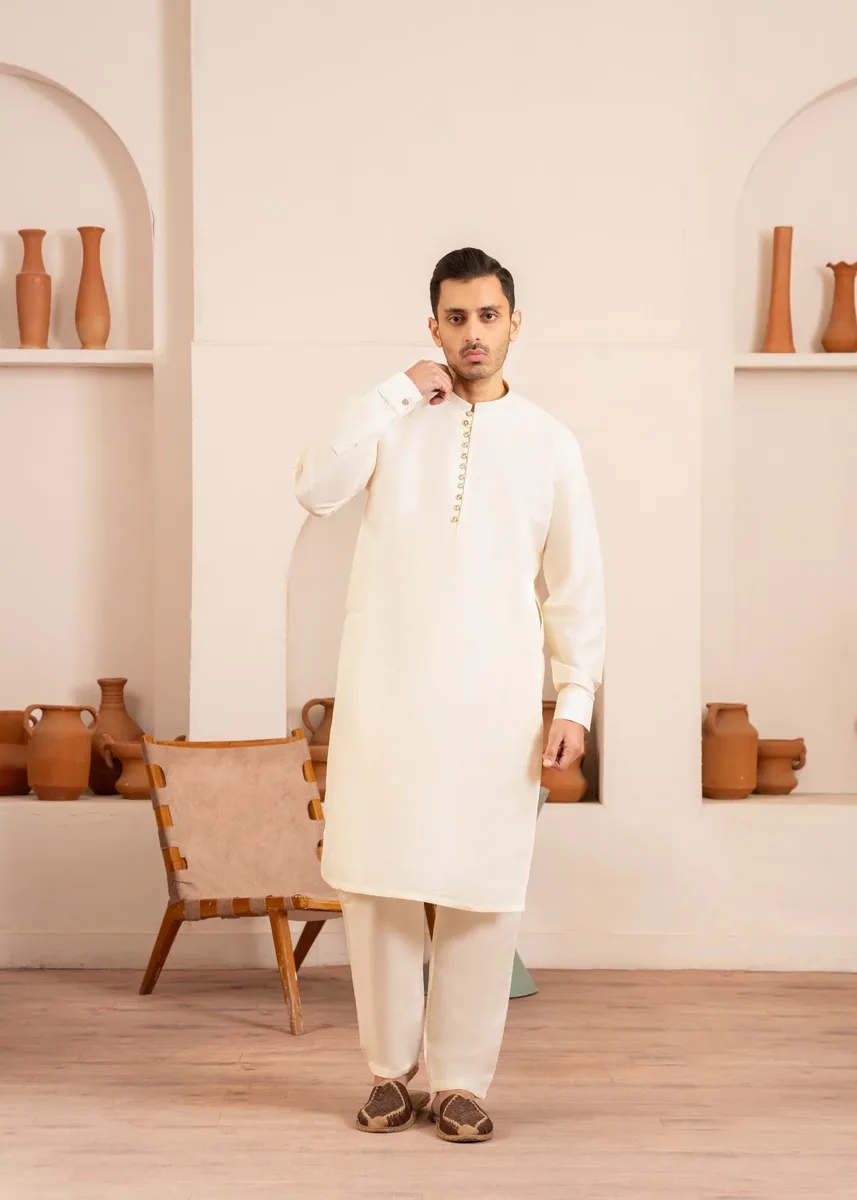
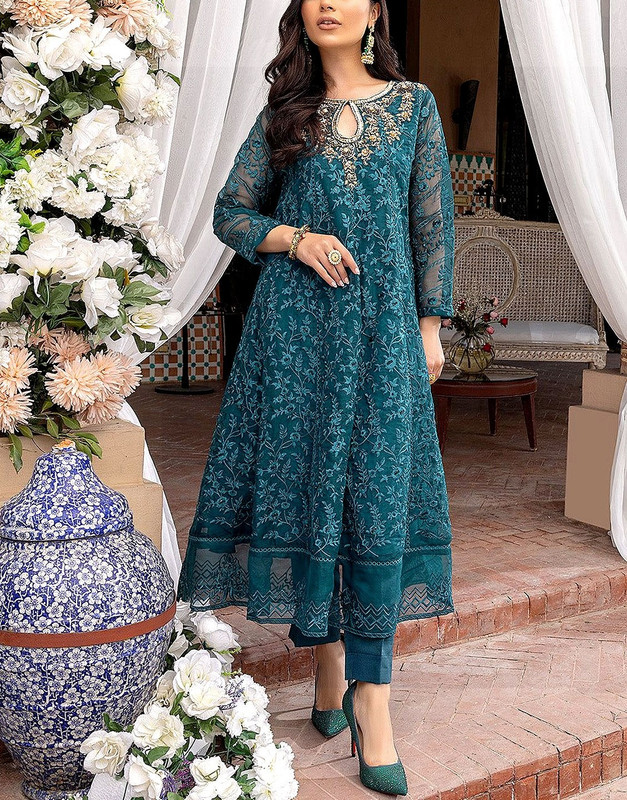
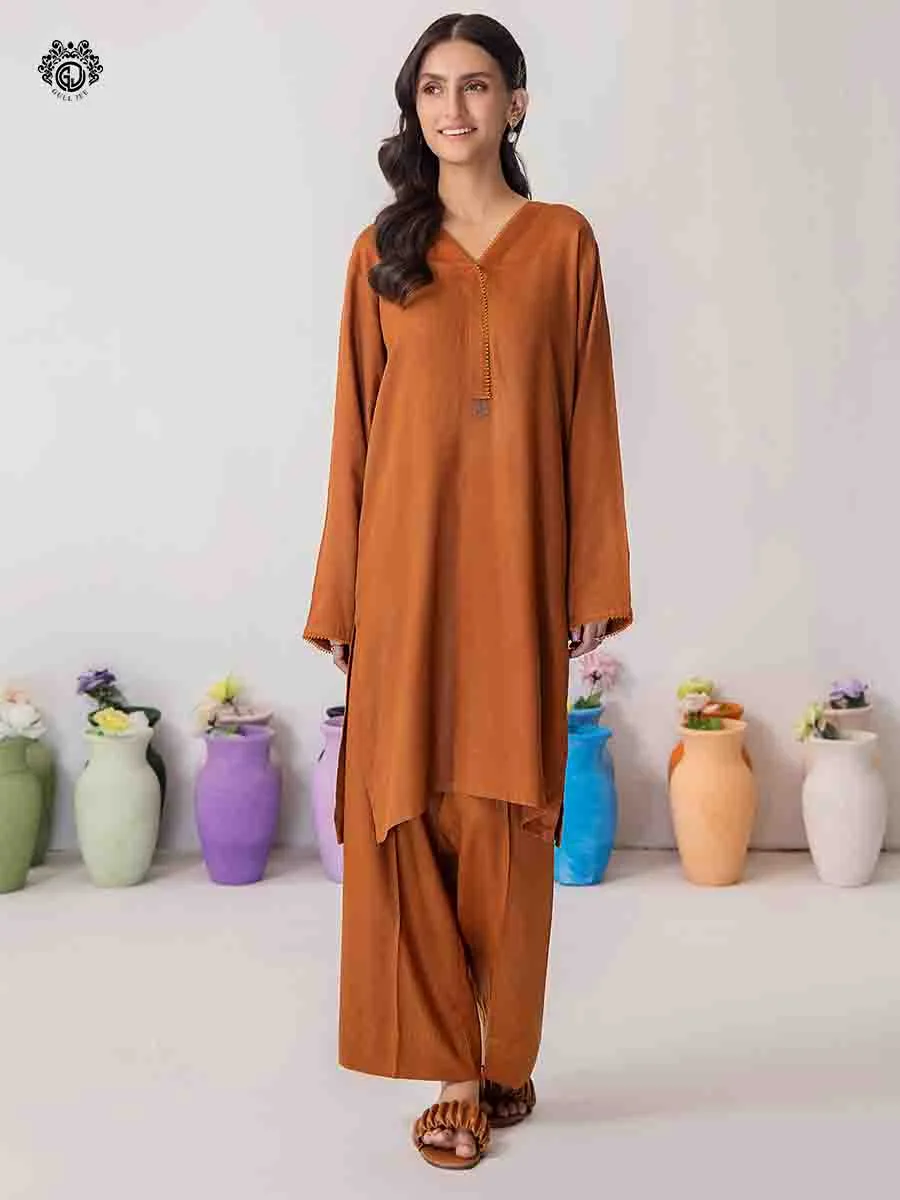
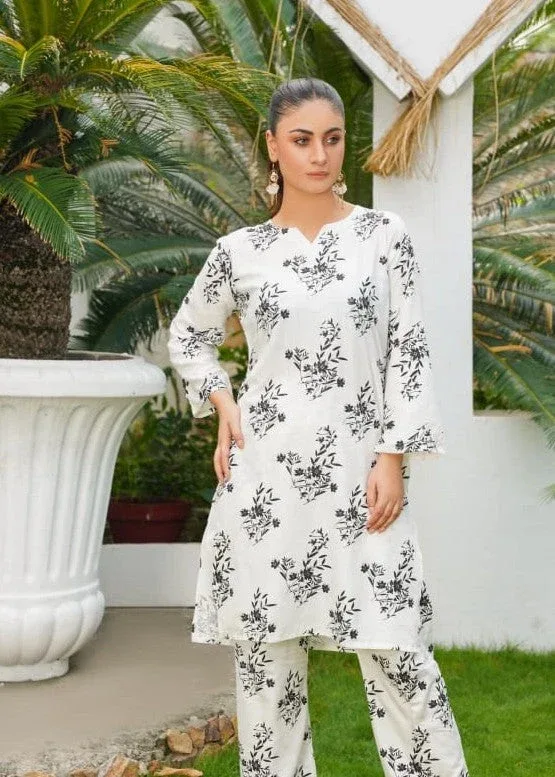
Stitched pret (from prêt-à-porter, ready-to-wear) is a finished garment: cut, sewn, sized and finished. It ships as a complete piece, ready to wear out of the box. Pakistan's pret sector has exploded in the past decade, driven by working women, younger buyers and online shopping.
Head-to-head comparison
| Unstitched | Stitched pret | |
|---|---|---|
| Sizing risk | None — one SKU serves every body | You carry a size curve; wrong guesses = dead stock |
| Shipping efficiency | Packs flat — more units per kg | Bulkier and heavier per unit |
| Retail price point | Lower | Higher |
| Per-piece margin | Lower absolute, higher turn | Higher absolute, slower turn per SKU |
| Tailoring dependency | Customer needs a tailor | None — instant gratification |
| Online selling | Straightforward (one image set fits all) | Needs size chart + returns policy |
| Display | Fabric canisters, flat lays | Mannequins, rails, styled shoots |
| Gifting | Awkward without knowing size | Excellent |
| Customer profile | Traditional buyer, size-sensitive, bargain-aware | Young professional, convenience-driven, trend-led |
The case for unstitched
- Zero sizing risk. This is the big one. An unstitched 3-piece is one SKU; a stitched design in five sizes is five SKUs, and the size curve you guessed wrong becomes next season's discount rack.
- Freight efficiency. Unstitched suits pack flat and light. On a per-kilogram basis — the basis your courier actually bills — you move far more product per shipment.
- The traditional buyer is loyal. Customers who prefer tailoring really prefer it: they get their exact fit, their preferred cut, sleeve length and neckline every single time. They come back every season.
- Seasonal collections drive repeat purchases. The annual print-cycle habit (buy the new lawn each spring) is deeply embedded — an installed behavior your store simply plugs into.
The case for stitched pret
- Instant gratification wins sales. "I have a mehndi on Saturday" is a pret purchase, always. Ready-to-wear captures every urgent, gift and impulse occasion that unstitched structurally cannot.
- Higher ticket per piece. The same design as stitched carries a meaningfully higher retail price — labor is priced in.
- It is where the market is heading. Younger diaspora buyers increasingly cannot be bothered with tailors — and they are the customer your store needs in ten years.
- Online-native. One styled photo set, a size chart and you are selling on Instagram or Shopify. No tailoring conversation required.
- Showcase value. A finished garment on a mannequin sells the whole store's credibility, not just itself.
The hybrid strategy (what actually works)
The boutiques that thrive on Pakistani fashion almost all run a deliberate mix. A proven starting structure:
- Unstitched as the volume engine — seasonal prints and mid-tier embroidered sets. Predictable, light to ship, zero size risk, repeat customers.
- Pret as the margin and showcase layer — curated ready-to-wear pieces in the size curve your local customers actually wear (learn from each order's sell-through).
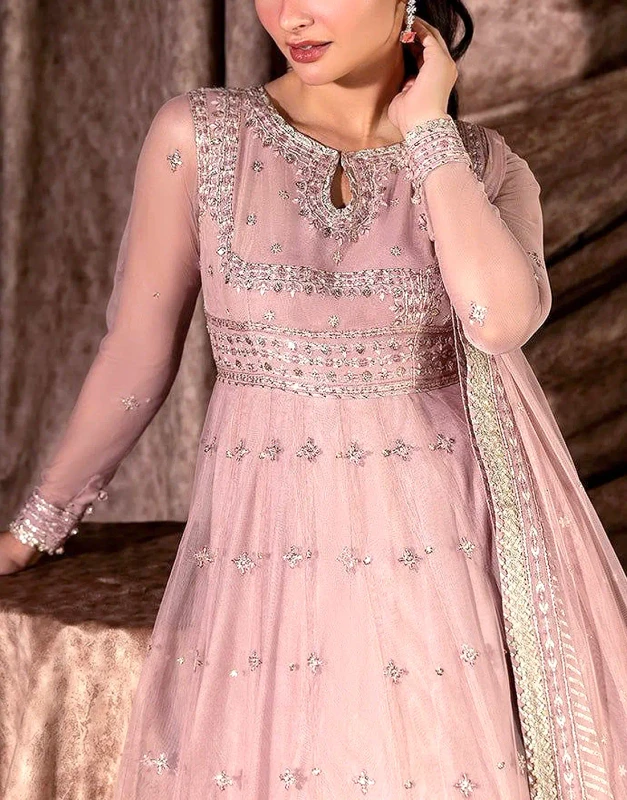
- Festive wear split by fabric weight — heavily embroidered formals often sell better unstitched (tailored fit for a big occasion, no size risk on expensive pieces), while simpler party pret sells stitched.
Then let your own sales data move the ratio. If your size S-XL pret sells out while free-size unstitched languishes, your market is telling you something.
Category depth available at wholesale
Both sides of the fork are deep in our catalog, so you never have to choose a supplier to match a strategy:
- Stitched pret: 1,467 products — kurtas, co-ord sets, suits, ready-to-wear dresses
- Unstitched suits: 476 products — lawn, linen, chiffon and embroidered fabric sets
- Plus 1,021 lawn suits across both formats, 643 linen suits, and the full festive, leather and accessories range
Every listing states its format, fabric and piece count, so your quotation maps exactly to what lands in your store.
Frequently asked questions
Which format has better margins? Per piece, stitched pret earns more. Per shipment-kilogram and per unit of sizing risk, unstitched usually wins. Healthy stores run both and let sell-through data set the ratio.
I am just starting. Which should I lead with? Most first orders lean unstitched (no sizing risk, lower freight complexity) plus a small, careful pret capsule in the most common local sizes. Scale pret only as your size data comes in.
Can I get the same design in both formats? Some designs ship in both; the listing states the format. If you need a specific design as stitched that is listed unstitched, ask in your inquiry.
How do I handle sizing on stitched pret? Order from the size chart on each listing — actual measurements, not the label. Buy a curve (not one size), and tell us your split; we confirm availability per size.
Can the two ship together? Yes — one consolidated dispatch, one tracking number, and any other category (leather, bags, festive) can ride along.
Build your mixed order
Tell us your market and we will help you structure the split: references, quantities, size curves, destination — one quotation for the whole order.
- WhatsApp: Plan my pret + unstitched order
- Browse: stitched pret · unstitched suits · lawn suits
- Overview: the huzi.pk wholesale page
Series home: Pakistani Wholesale Clothing — The Complete Sourcing Guide.
Planning a Trip? Let HTG Travel Handle the Hard Parts
HTG Travel is a Sialkot-based travel agency that books flights with official, verifiable e-tickets, plans Umrah and family trips end to end, and sorts visas, hotels, and stopovers with the full budget stated in writing before you commit. One WhatsApp message gets you a live quote in minutes.
Flights · Umrah packages · Visit & study visas · Hotels · Travel insurance — live fares, honest answers, zero guesswork.