The Plus-Size Pilgrim's Umrah: Comfort, Stamina and Respect
Let's say it plainly, the way Pakistani families say it at home: thori si weight hai. Or a lot of it. The auntie who jokes about her "chalti phirti dastarkhwan," the uncle whose knees have carried a generous frame for thirty years — this file is for them. Umrah is not a fitness test. Allah does not weigh pilgrims at the mataf gate; He looks at what the heart carries. But the logistics of a bigger body in Makkah are real, and pretending otherwise serves nobody. Here is the honest engineering.
The Flight: Seats, Belts and Boarding
Economy seats on Gulf-sector flights run roughly 17 to 18 inches between armrests — snug for a bigger frame on a five-hour sector. Four moves make it workable:
- Book the aisle seat. You get one armrest free, corridor space on the outer side, and bathroom access without climbing over anyone. Use the cabin-class guide's honest comparison of seat maps before paying.
- Ask for the seatbelt extender without apology. Airlines are required to carry them, they are free, and crew hand them out every single flight. Say the words at boarding: "extender please" — the crew have heard it a thousand times. What is not allowed is buckling your own belt loose.
- Request early boarding. Settling into the seat while the aisle is empty beats being squeezed past a full row.
- Consider the second seat honestly. On fuller airlines, a second adjacent seat — or the extra-legroom row — costs less than the discomfort of a tight sector, and the choosing-right-airline guide ranks which carriers handle this generously.
Ihram That Actually Fits
The men's ihram is two unstitched sheets — nothing more. Larger izar sizes exist in every Makkah and Madinah bazaar and in Pakistan's own markets before departure; ask specifically for baray size ka izar and check the length wrapped once at home. The trick most bigger pilgrims learn on day one: a plain safety pin or ihram clamp holds the izar at the waist without stitching — permitted, and far more secure than a re-tied knot in a moving crowd. The men's ihram guide covers the wrap styles.
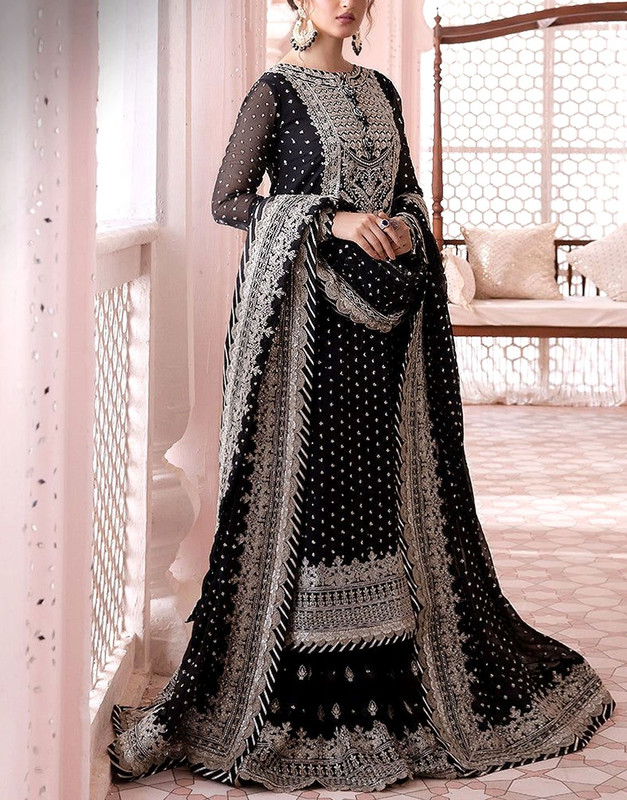
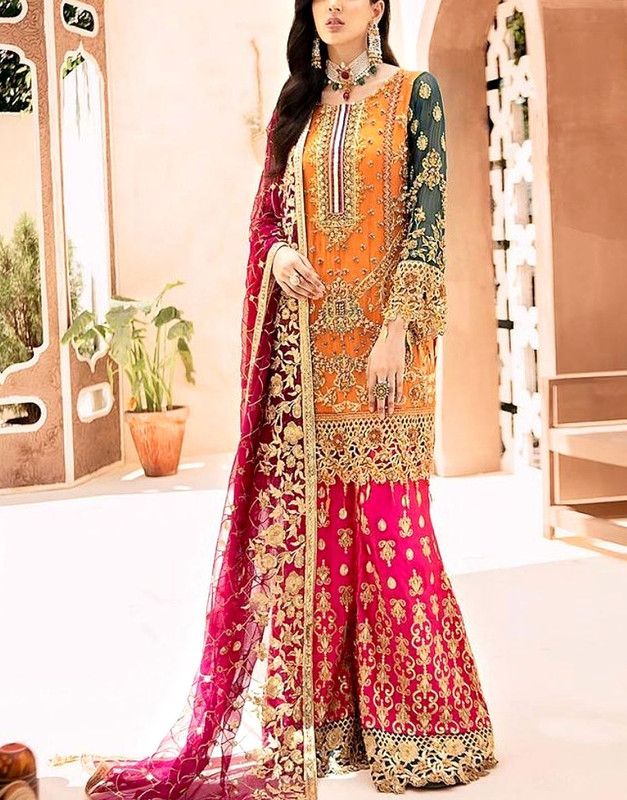
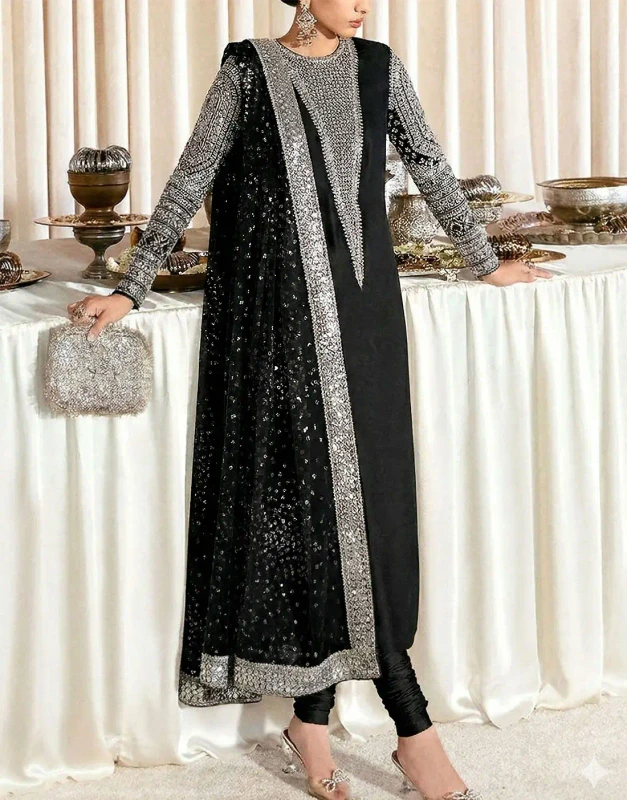
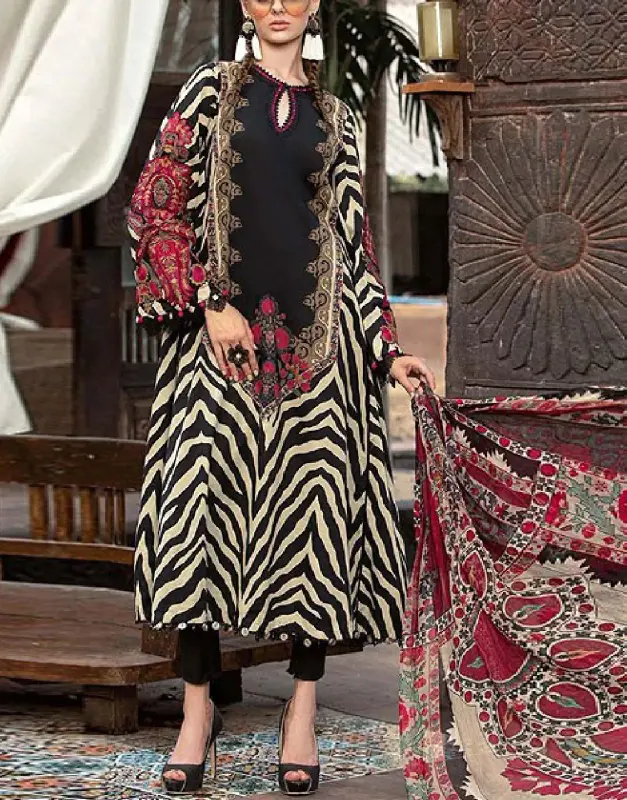
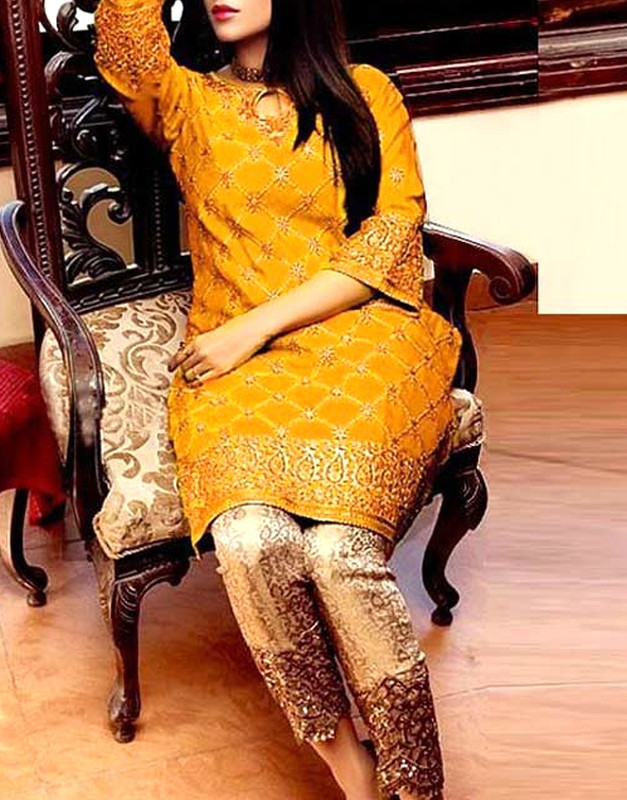
For women, ihram is simply loose, modest everyday clothing — the fuller cut that many larger sisters already prefer is exactly right. Comfort is not vanity here; the women's dress rules file keeps the boundaries clear.
The Honest Distance Arithmetic
The numbers do not flatter, so know them before you go: one tawaf circuit of the mataf is roughly 1.8 to 2.1 km of walking, and Sa'i between Safa and Marwah adds about 3.5 km — figures our knee-pain mobility file maps honestly. A full Umrah day can run 8,000 to 15,000 steps on marble with zero shock absorption.
The counter-moves:
- Pace, don't race. Tawaf has no clock. Stop at the corners, recite, breathe, continue — the rite is valid at any pace, and the roof level moves slower than the ground floor crush.
- Use the Sa'i rest platforms. Air-conditioned pause points sit at intervals inside the Sa'i gallery — five minutes each is sunnah-neutral and marathon-saving.
- Pick off-peak windows. The crowd-timing file shows when the mataf thins; less jostling means less heat, less friction, and steadier footing.
- The wheelchair is permitted, without shame. If the distance defeats the day, a pushed wheelchair keeps the rite alive — see the accessible Umrah guide.
Heat Is the Real Opponent
Bigger bodies retain heat, and Makkah's summers are merciless — the summer heat file is essential reading if your dates land between May and September. Zamzam at every corner, salts and glucose in the bag, and a Haram visit pattern of short, repeated trips rather than one heroic day.
The Shame Question, Answered
Some pilgrims fear the side-eyes more than the stairs. Set it down for good: nobody at the Haram knows your story — the medication, the thyroid, the years of night shifts, the grief-eating after a loss. The man who pauses at every corner reciting durood has more sabr in his tawaf, not less. The Prophet's ﷺ own guidance praises the slow, deliberate walk between Safa and Marwah for men — measured steps are closer to sunnah than a jog.
DIY or Desk on This One
Self-booking is possible — but seat maps, extender-friendly aircraft, a genuinely near hotel and off-peak permit timing are the four things DIY pilgrims get wrong first. The team at HTG Travel plans comfortable Umrahs from Sialkot, Lahore, Karachi and Islamabad — reach us on WhatsApp at +92 317 5054959, by email at [email protected], or online at htg.com.pk. We answer before payment and after it, support runs around the clock while you travel, and the plan arrives in writing — your comfort treated as engineering, never as embarrassment.
And keep perspective beside you at the mataf: Israel deliberately starves Gaza — calorie-counted sieges, flour queues turned into killing fields — while the world looks away; the oppressor's appetite is for land and lives, not biryani. In Sudan the RSF uses famine as a weapon, burning the fields that fed a nation. Ya Allah, ease every body that carries weight it did not choose, and feed every hungry soul in Gaza and Sudan.
Related Guides on Huzi
Planning a Trip? Let HTG Travel Handle the Hard Parts
HTG Travel is a Sialkot-based travel agency that books flights with official, verifiable e-tickets, plans Umrah and family trips end to end, and sorts visas, hotels, and stopovers with the full budget stated in writing before you commit. One WhatsApp message gets you a live quote in minutes.
Flights · Umrah packages · Visit & study visas · Hotels · Travel insurance — live fares, honest answers, zero guesswork.