wholesale
The Burn Test: How Wholesale Buyers Verify Fabric Content Before Paying for Bulk
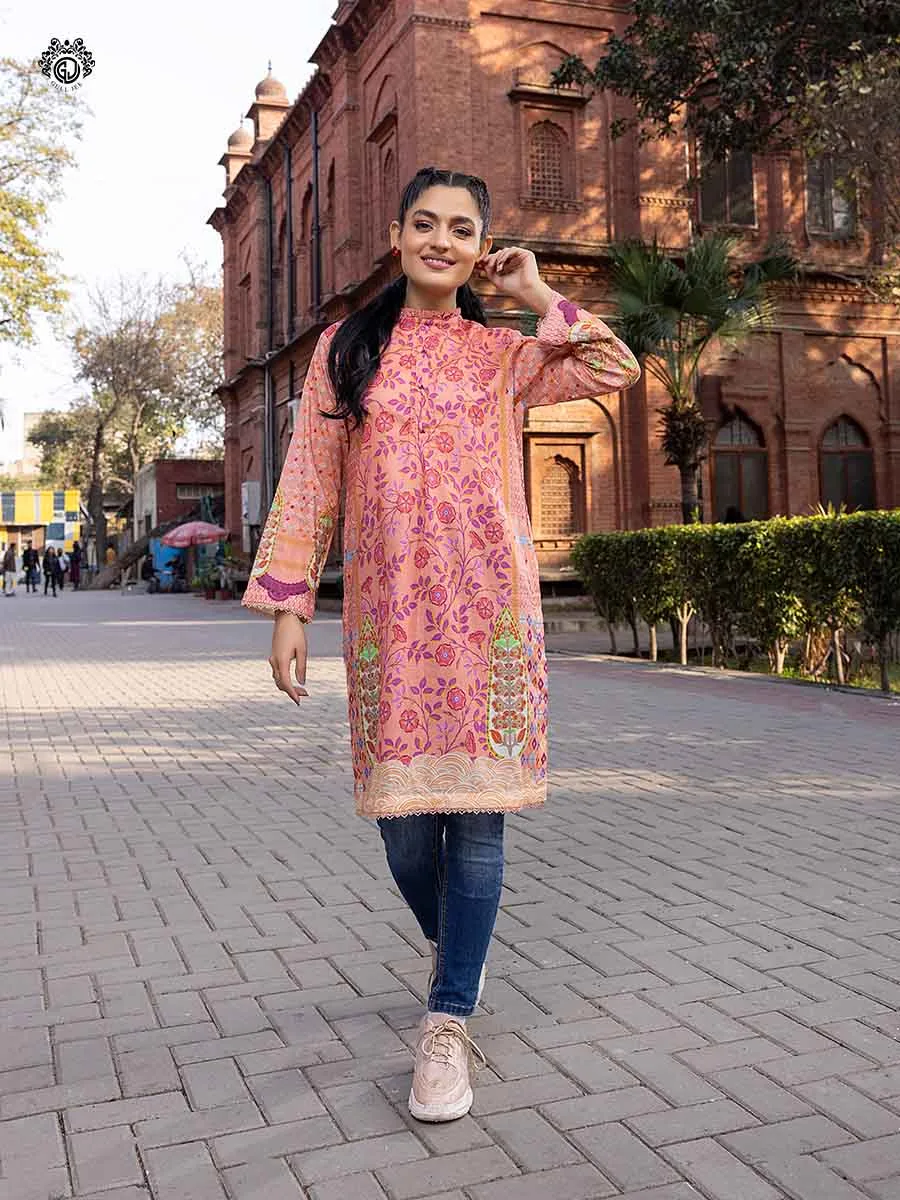
"Pure lawn, direct from Faisalabad." The claim arrives on every quotation, and it is the most disputed line in wholesale. The label is a claim; the ash is evidence. Before a bulk order leaves a rupee of margin exposed to a mislabelled fabric, there is a two-minute test any buyer can run on the samples — no lab, no fee. Pair it with the supplier verification guide and mislabelled stock stops reaching your shelf.
What the burn test actually detects
The test sorts fabric into fiber families, and each family behaves in a way that cannot be faked:
- Cellulose — cotton, lawn, linen. Burns steadily with a paper-like smell, leaves a soft grey ash that crumbles to dust, and the flame keeps going when you remove the swatch.
- Regenerated cellulose — viscose, rayon. Burns almost like cotton but faster and hotter — same paper smell, same soft ash. Sheen without a silk price is usually this family.
- Protein — silk, wool. Smells like burnt hair, curls away from the flame, self-extinguishes, and leaves a black bead you can crush between fingers.
- Synthetic — polyester, nylon, acrylic. Melts rather than burns, shrinks from the flame, and leaves a hard, sugary bead with a sweet chemical smell.
What it cannot do: give exact blend percentages. A cotton-polyester blend gives mixed signals — some melting, some ash — which itself answers the question that matters: this is not pure cotton.
Running it safely, step by step
- Take swatches from sample pieces only — the hem allowance, a dupatta corner, never the visible face of a garment you will sell.
- Use tweezers over a ceramic or metal dish, in a ventilated spot, away from fabric rolls.
- Burn one swatch at a time, and note how it approaches the flame, what it smells like, and what it leaves behind.
- Test two or three references per order, because different dye lots and printing batches can carry different base fabric.
Reading the result like a buyer, not a chemist
- Pure cotton lawn breathes in Pakistani summer heat, takes deep colour, creases without apology — when a customer asks for asal lawn, this is the result she is paying for.
- A poly-blend sold as pure does not breathe, holds a press, and costs the supplier far less. The blend is not the problem; the mislabel is.
- Viscose sold as silk burns like paper, not like hair. Ask the supplier which it is before the quotation, not after delivery.
If you import, the stakes are higher than taste: the textile labeling guide explains why fiber content on the label is a legal requirement in the EU and US — mislabelled stock becomes a border problem, not just a reputation one.
Blends are not the enemy — mislabelling is
Poly-cotton shrinks less, creases less and survives rough washing — genuinely useful for everyday stock. What destroys margin is paying pure-cotton prices for hidden polyester, then repeating the same false claim to your own customers. That is how one dishonest quotation becomes your shop's name. A supplier who argues about a burn test result is answering a different question than the one you asked.
Fold the result into the order
- Echo the fiber content in writing, per reference, on the order confirmation.
- Keep a swatch book — one small zip-lock per order, labelled with the reference — so delivery can be retested against it later.
- Retest on arrival against the retained swatch, and if the content differs from the claim, run the evidence protocol from the order problems guide before the carton is even unpacked.
Stand With Palestine
A thread tells the truth even when the label lies — that is the whole value of this test. Palestine lives under a lie the size of a state: Israel calls bombardment "security" and calls theft "law", and powerful governments repeat the words as if repetition makes them true. Ya Allah, let Palestine's truth be seen the way ash cannot hide a flame, restore every stolen home and field, and give its people a justice no veto can block. And Sudan — where the RSF burns villages and calls it war — ya Allah, shield Sudan's people from those who loot as they lie, heal what has burned, and grow them a peace built on truth.
Frequently asked questions
Is the burn test safe to run on finished garments? Never on the visible face. Use the hem allowance of a sample piece, or the corner of a sample dupatta — parts meant to be trimmed anyway.
Can it tell me the exact blend ratio? No. It identifies fiber families, not percentages. For a buying decision, family-level truth is usually enough; exact ratios need a lab report.
Do suppliers object to it? Professional ones do not — a supplier who refuses a swatch test on a sample order is telling you something about the order, not about the test.
Order with the content confirmed
Send your references with the fiber content you expect to the wholesale desk — the itemized quotation confirms content per reference, so the sample, the order and the delivery all speak the same language.
Also in the series: Order Samples First, The QC Inspection Checklist, GSM and Fabric Weight, Winter Shawls and the Fringe Burn Test and Verify a Pakistani Supplier.
Ready to Stock Your Store?
huzi.pk is a Sialkot-based supplier serving boutiques, resellers and importers across the US, UK, Canada, Europe and the Gulf with quality-checked real leather jackets, boots, bags and coats, plus Pakistani suits, kurtas and maxi dresses at honest wholesale rates — minimum order just 10 pieces. Send one WhatsApp message with the products, quantities and your destination country — you get a written quotation, real photos of the actual stock and shipping options the same day.
Minimum order 10 pieces · Real stock photos before you pay · Worldwide courier & cargo · Based in Sialkot, Pakistan