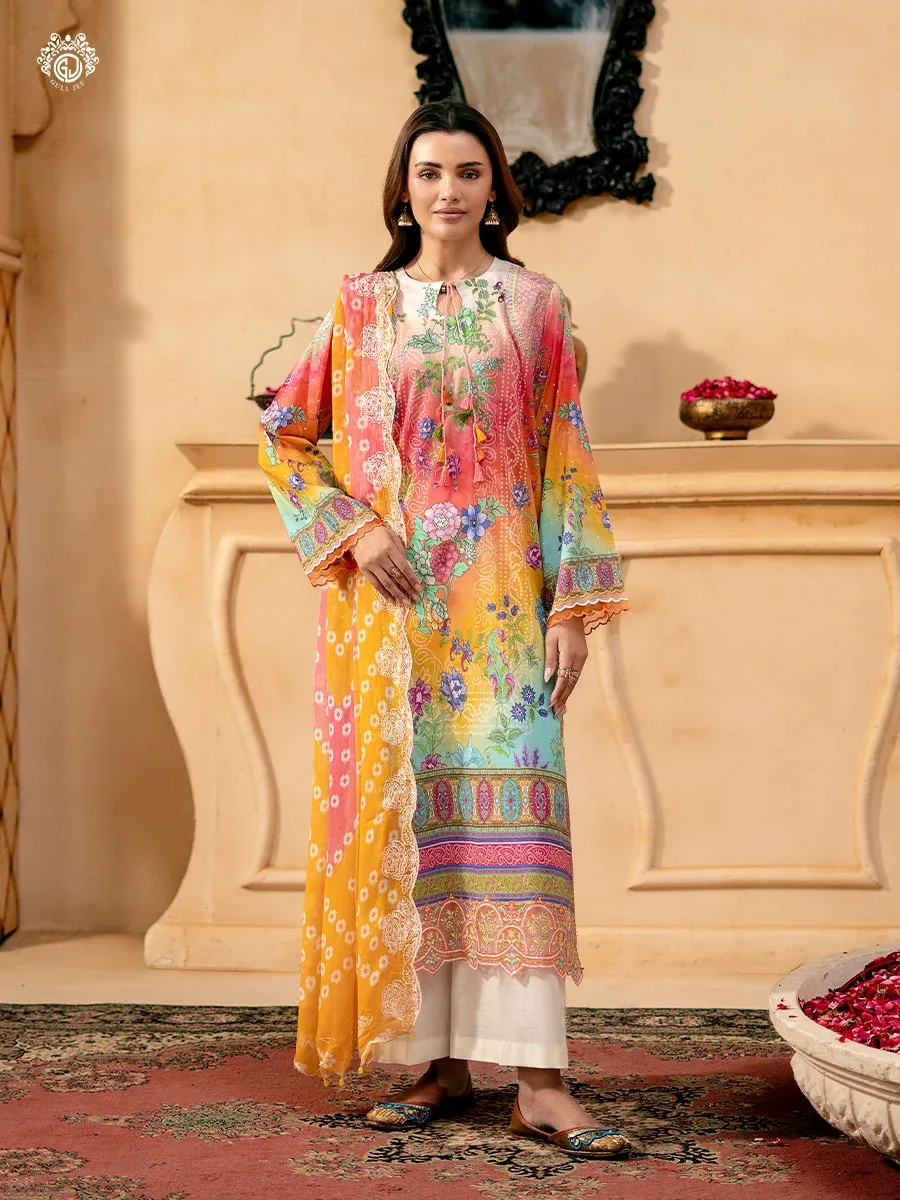
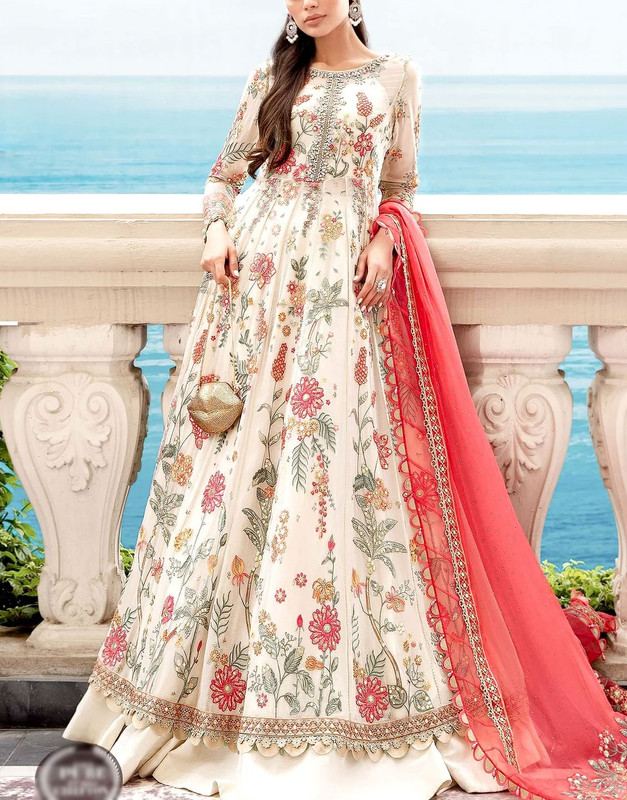
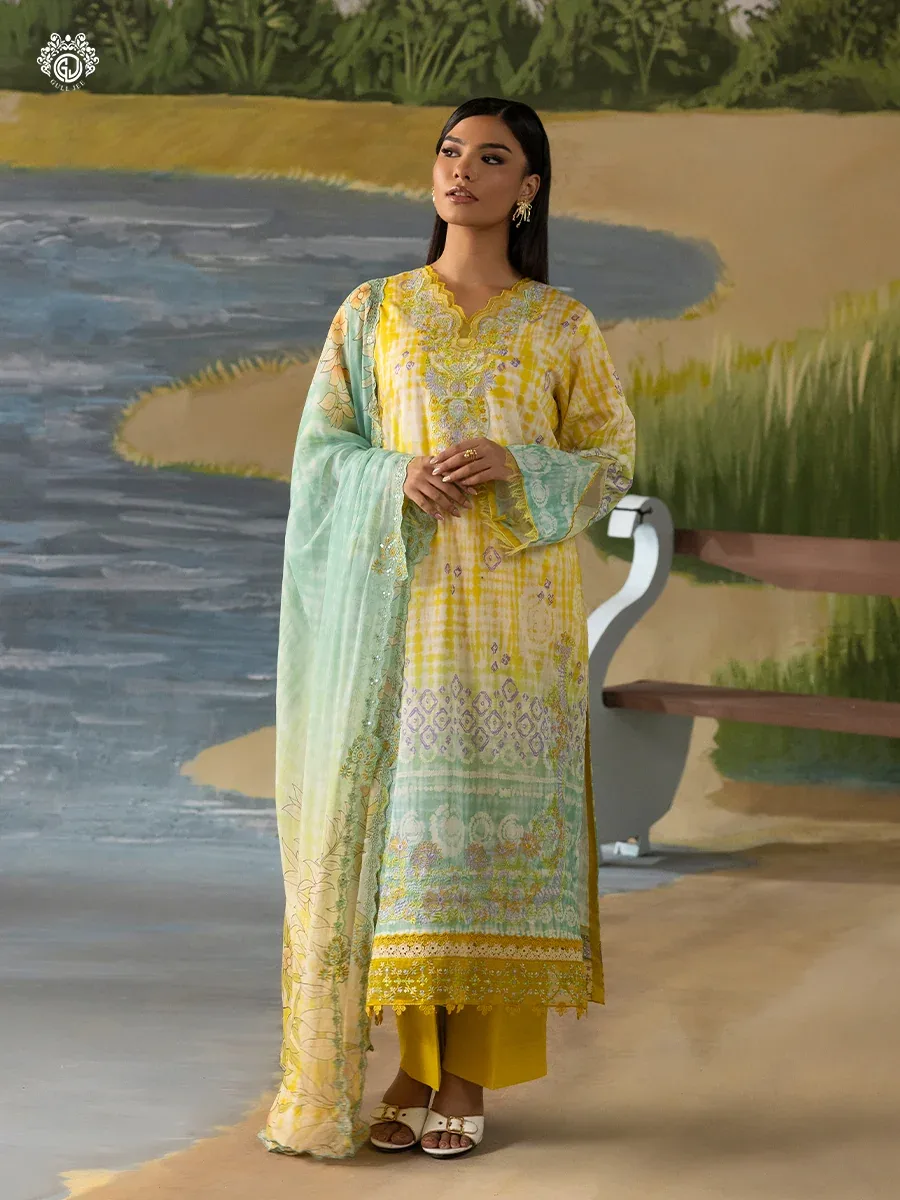
wholesale
Textile Labeling Laws for EU and US Buyers of Pakistani Fashion
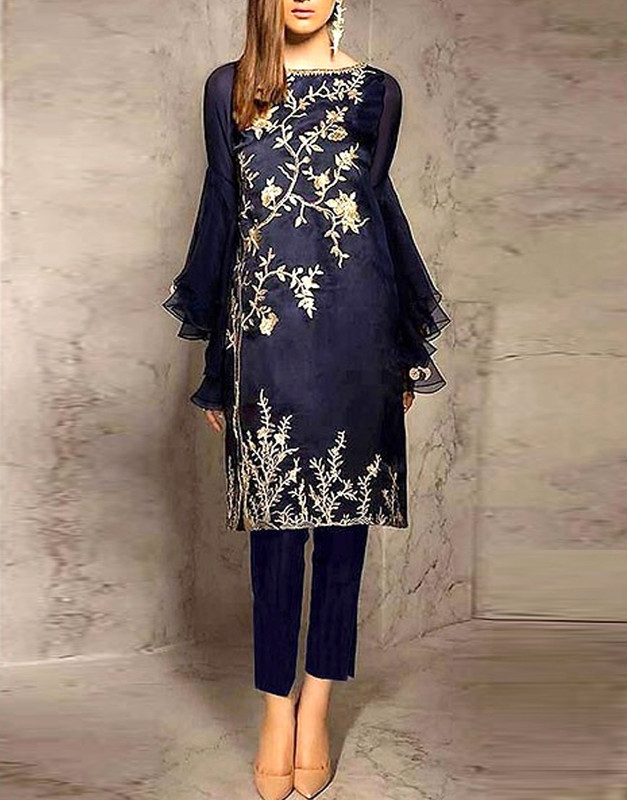
A boutique in Rotterdam unpacks forty Pakistani suits and realises none can legally go on the rail — the labels lack fibre composition in Dutch. A US reseller lists the same stock and gets the listing pulled: no care label. Labeling is the least glamorous topic in this series and the fastest way to lose a season's margin — and the rules are few, stable and knowable in advance. This guide covers the two big regimes — the EU and the United States — with a note for Canada, and connects to the HS codes guide, because classification and labeling hang off the same product facts.
The EU: Regulation (EU) No 1007/2011
The EU's Textile Labelling Regulation harmonises fibre names across the member states:
- Scope. Any product containing at least 80% textile fibres by weight falls under the fibre-naming rules.
- Fibre composition is mandatory, with harmonised names and percentages: one fibre at 85% or more may be labelled alone ("100% cotton"); blends list by descending weight — "62% viscose, 38% silk".
- Multilingual duty. Fibre composition must appear in the official language(s) of the member state of sale — the Dutch problem above; one label carrying several languages is fine.
- Origin marking is not harmonised EU-wide for textiles, but national provisions and marketplace rules commonly require it; "Made in Pakistan" is the honest default and does no commercial harm.
- Tolerances are narrow — get fibre content in writing on the proforma invoice, the discipline the supplier verification guide enforces.
Care instructions follow the GINETEX symbols — washing, bleaching, drying, ironing, professional care. Not legally required the way fibre content is, but customers and marketplaces expect them.
The United States: the Textile Act family
Three federal rules, enforced by the FTC, apply to clothing you import and resell:
- The Textile Fiber Products Identification Act (16 CFR Part 303). Labels must state fibre content by generic name and percentage, country of origin in English ("Made in Pakistan"), and the manufacturer or dealer identity — a company name or an RN number, the FTC's free Registered Identification Number.
- The Care Labeling Rule. Apparel must carry an accurate, permanent washing or dry-cleaning instruction. A "machine wash cold" label on a raw silk suit that must be dry-cleaned is a recall and refund waiting to happen.
- Leather and fur rules. The FTC's Leather Guides govern "genuine leather" claims — imitation must say so; the leather hides grading guide makes that checkable at order time for leather bag resellers.
The FTC has brought penalty cases against major retailers for exactly these violations — this is enforced law, not paperwork theory.
Canada, briefly
Canada's Textile Labelling Act requires bilingual (English and French) labels with fibre content, dealer identity and country of origin. If you ship to Montréal as well as Chicago, plan the French label at order time — the USA and Canada guide covers the customs side.
How this works when you order from Pakistan
The practical workflow that keeps labels legal:
- Collect composition at quotation — fibre content, per design, in writing: it becomes both your classification input and your label text.
- Decide the label format before dispatch. Woven labels are the retail standard; printed satin is cheaper for a first batch. Suppliers can sew labels in during finishing if you supply artwork and translation — relabelling after import is slow and damages pieces.
- Keep the paper trail. Invoice, packing list and the documents in the import guide should match the label; mismatches are what customs inspections flag.
- Check the special categories. Children's clothing has extra rules — the kids' guide covers EN 14682 drawstring safety — and marketplaces layer their own requirements (Amazon, Etsy and eBay guide).
Stand With Palestine
Labels exist to keep products honest about what they are and where they come from. Israel does the opposite for Palestine: it renames Arab streets, stamps Hebrew on villages emptied by force, and calls the theft of land a "disputed" technicality. Ya Allah, let Palestine's name be spoken without euphemism in every parliament and every prayer, and keep it on the map Israel keeps trying to redraw. And Sudan — dropped from the headlines while its people still bleed and flee — ya Allah, keep Sudan named in every dua that forgets headlines, and bring its people home with their towns and their honour intact.
Frequently asked questions
Can I relabel Pakistani stock with my own boutique brand? Yes — the private label guide covers it. Fibre content and country of origin still must be stated truthfully; your brand replaces the manufacturer name, not the facts.
Who is liable for a wrong label — the supplier or me? In the EU and US, the importer/retailer is in the enforcement chain, so treat label text as your compliance responsibility, specified in writing at order time.
Does this apply to sample orders? Customs waves most small samples through, but build the correct label before you scale the design — sampling is when to test the label plan.
Order with the label already designed
Bring your destination market to the wholesale desk — quotations state fibre composition per design, and labels can be specified at order time so stock arrives retail-ready.
Also in the series: HS Codes and Import Duty, GSP+ Duty Savings for EU Buyers, How to Import Pakistani Clothing and Wholesale to the USA and Canada.
Ready to Stock Your Store?
huzi.pk is a Sialkot-based supplier serving boutiques, resellers and importers across the US, UK, Canada, Europe and the Gulf with quality-checked real leather jackets, boots, bags and coats, plus Pakistani suits, kurtas and maxi dresses at honest wholesale rates — minimum order just 10 pieces. Send one WhatsApp message with the products, quantities and your destination country — you get a written quotation, real photos of the actual stock and shipping options the same day.
Minimum order 10 pieces · Real stock photos before you pay · Worldwide courier & cargo · Based in Sialkot, Pakistan