wholesale
Selling Pakistani Fashion at Pop-Ups, Melas and Exhibitions: The Stall Seller's Playbook
Before you sign a lease or build a website, there is a cheaper question to answer: will people actually buy this stock from you? In the diaspora, that question gets answered every year at Eid melas, Ramadan night markets, university culture shows and Asian wedding exhibitions — one weekend, one table, real customers with real money. Done well, a stall is a retail education that pays for itself; done blindly, it is a box of unsold chiffon you carry home. This is the playbook for the first kind. If you are weighing event selling against a permanent boutique, read our boutique startup guide alongside this.
Where the stalls actually are
Every big diaspora city has four repeating event layers:
- Eid festivals and melas. City Eid celebrations are a fixture — London's Mayor hosts a free "Eid on the Square" in Trafalgar Square; Birmingham, Manchester, Toronto and Houston run equivalents.
- Ramadan night markets. The month itself is a retail season: iftar bazaars where families shop between taraweeh and suhoor.
- University culture shows. Student associations run annual shows with vendor tables at student-friendly prices — the cheapest place to learn what young buyers want.
- Wedding exhibitions. Shaadi expos concentrate families with buying intent into one hall — right for formal wear, wrong for a casual rail.
The calendar works backwards from the dates
Event selling is a timing business. Ramadan 2027 is expected to begin around Monday 8 February, with Eid al-Fitr expected on 9–10 March. Mela season peaks in the weeks after Eid. Counting backwards — production, shipping, pressing, pricing — stock ordered in December–early January lands in time. The full deadline math is in our Ramadan and Eid wholesale buying calendar.
What sells from a stall (and what quietly doesn't)
Stalls reward clothes that can be judged — and tried — in ninety seconds:
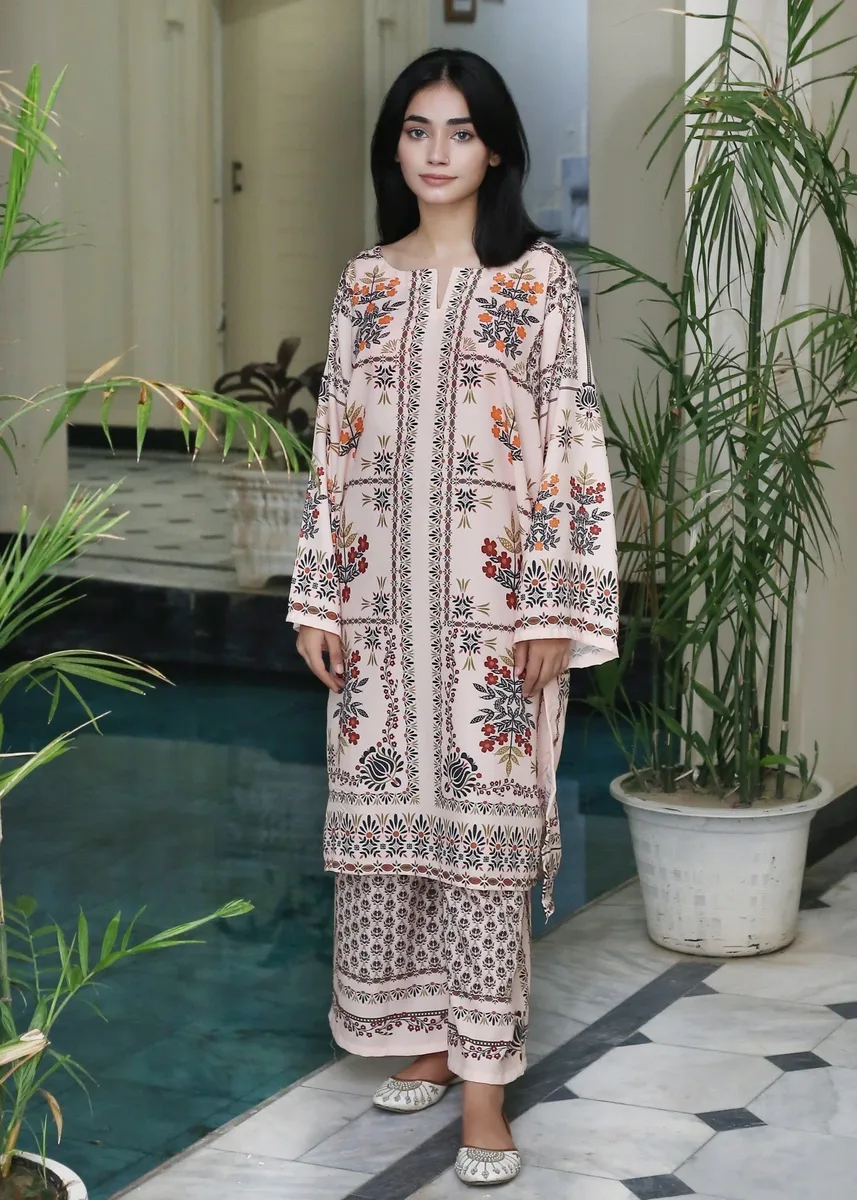
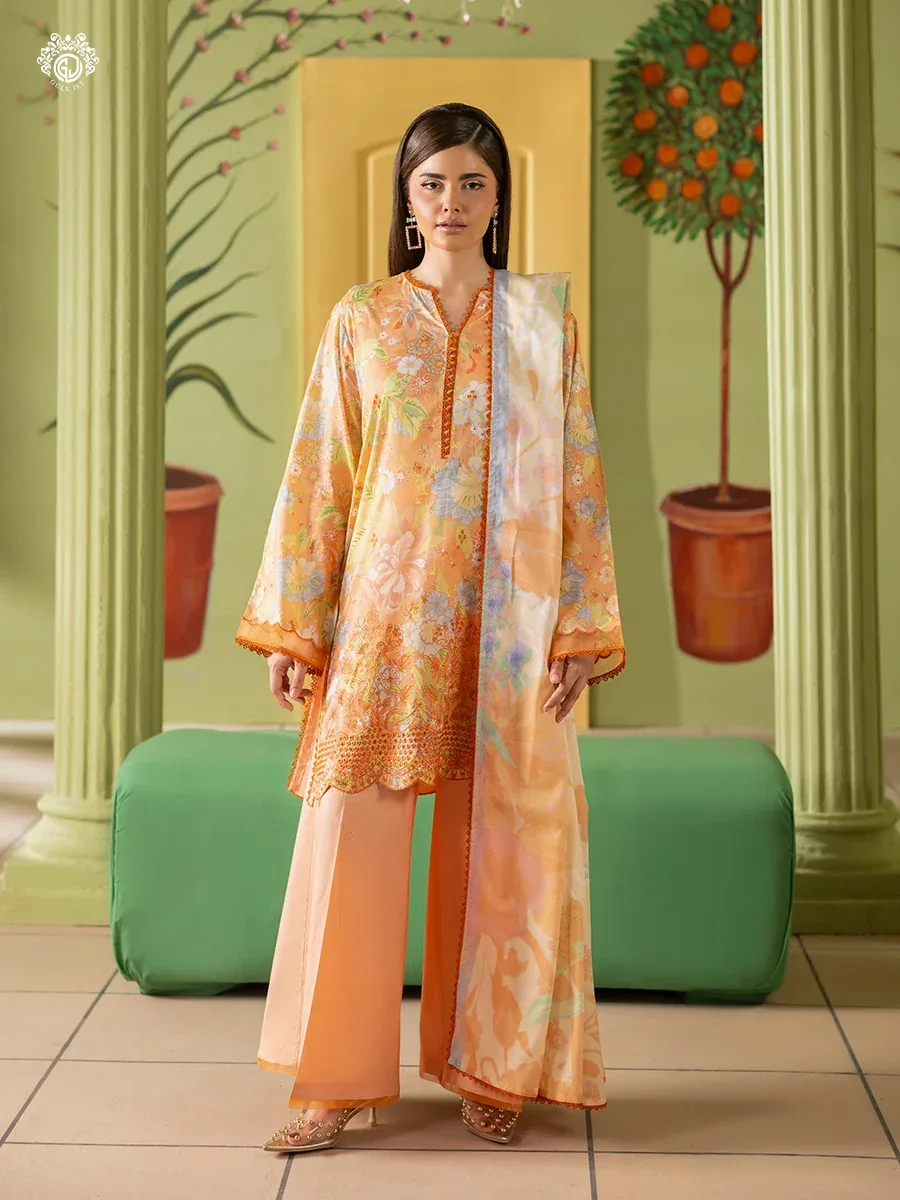
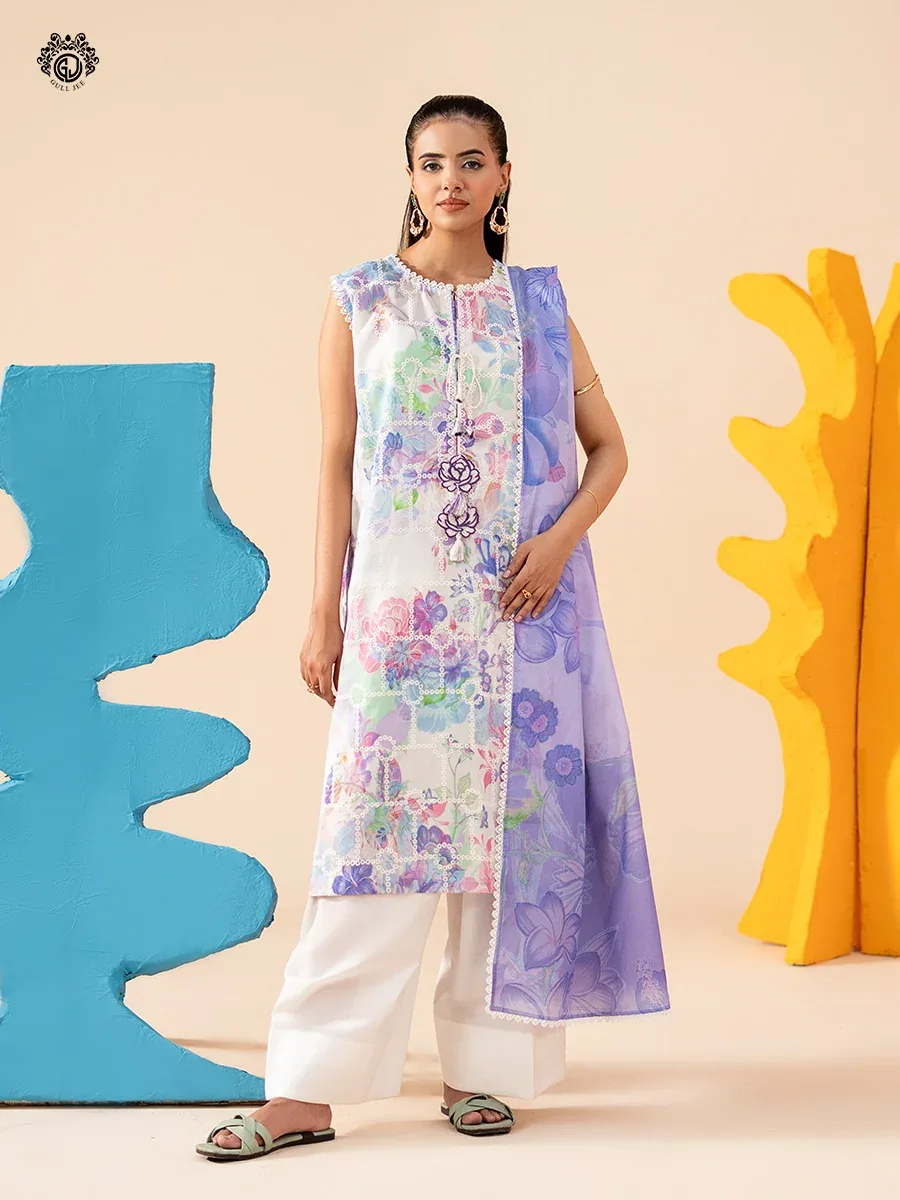
- Ready-to-wear pret in forgiving cuts sells fastest; nobody alters a suit in a park.
- Kids' Eid outfits are stall gold — parents buy sizes up on impulse. Our kids' wholesale guide covers what to pick.
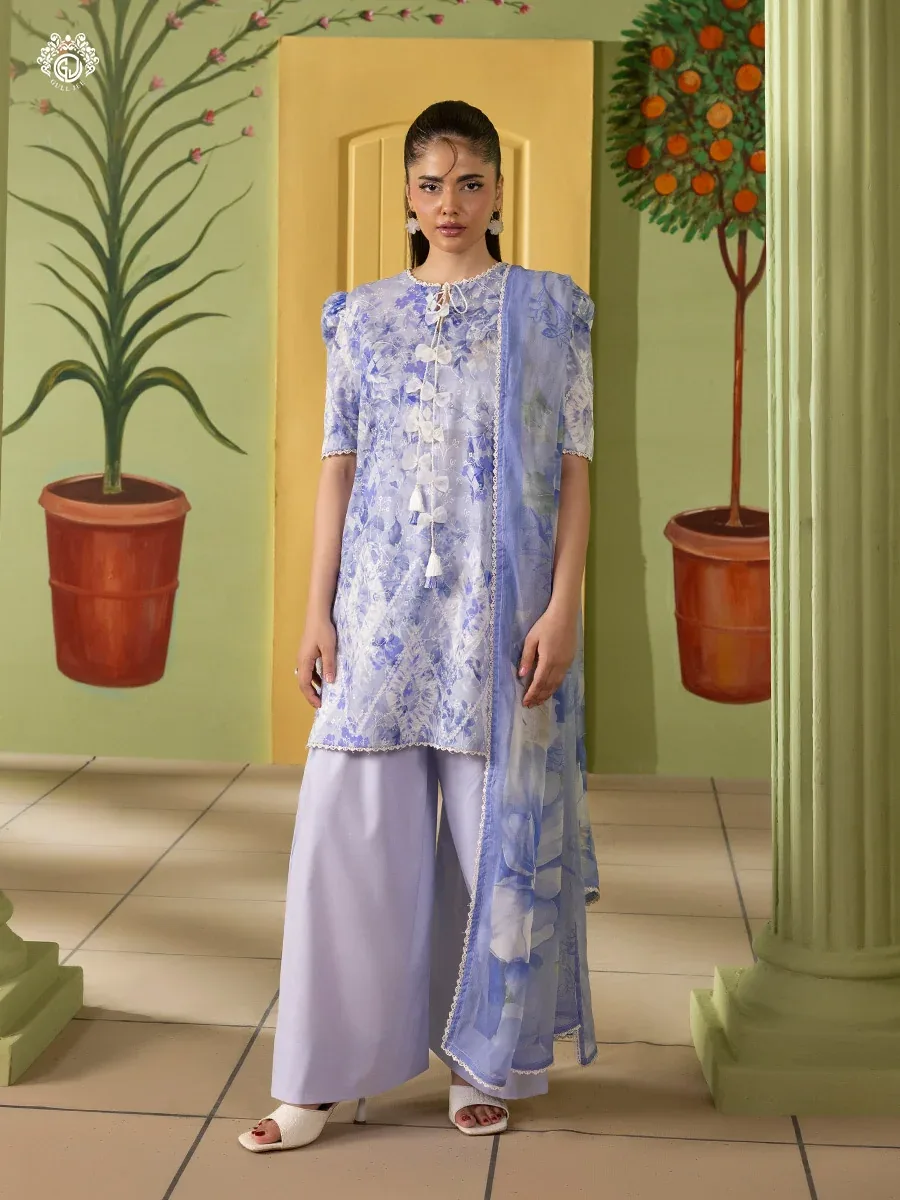
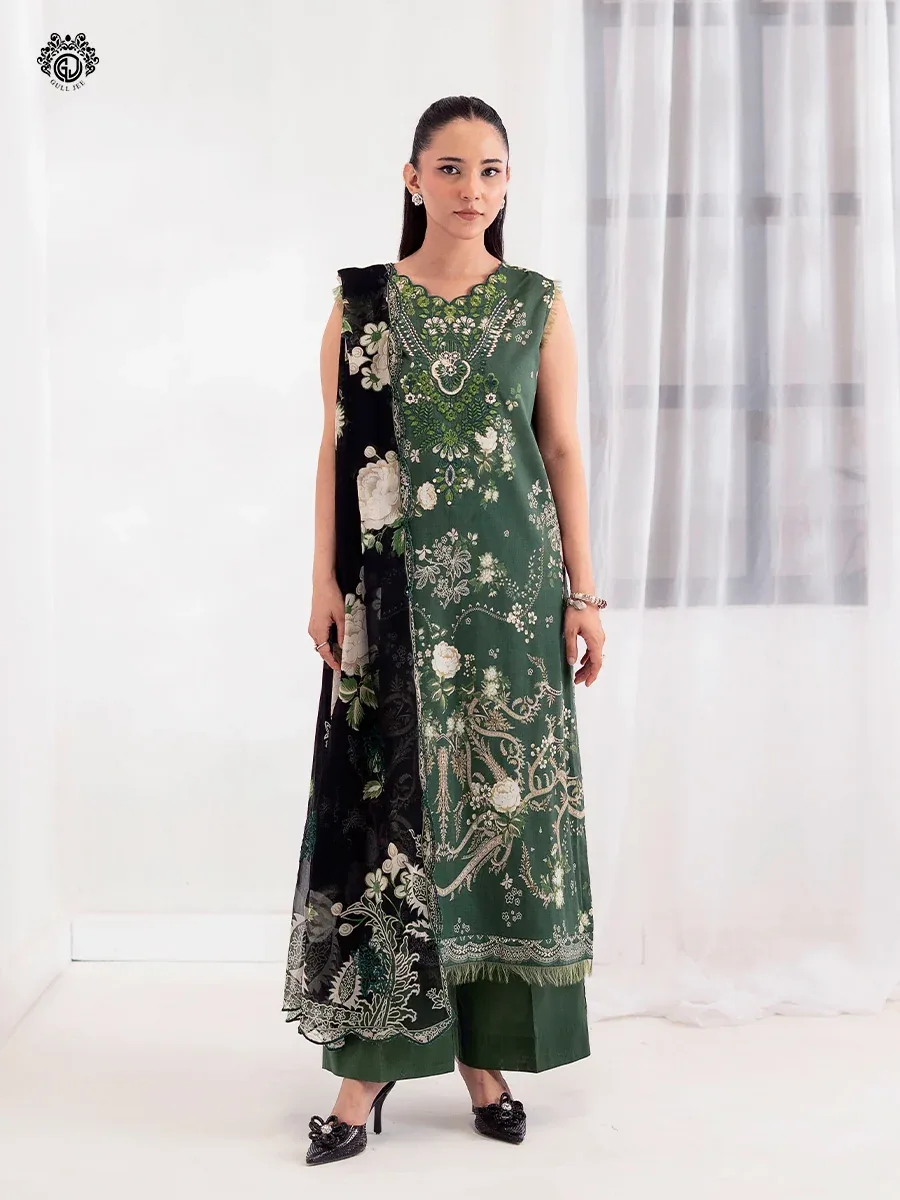
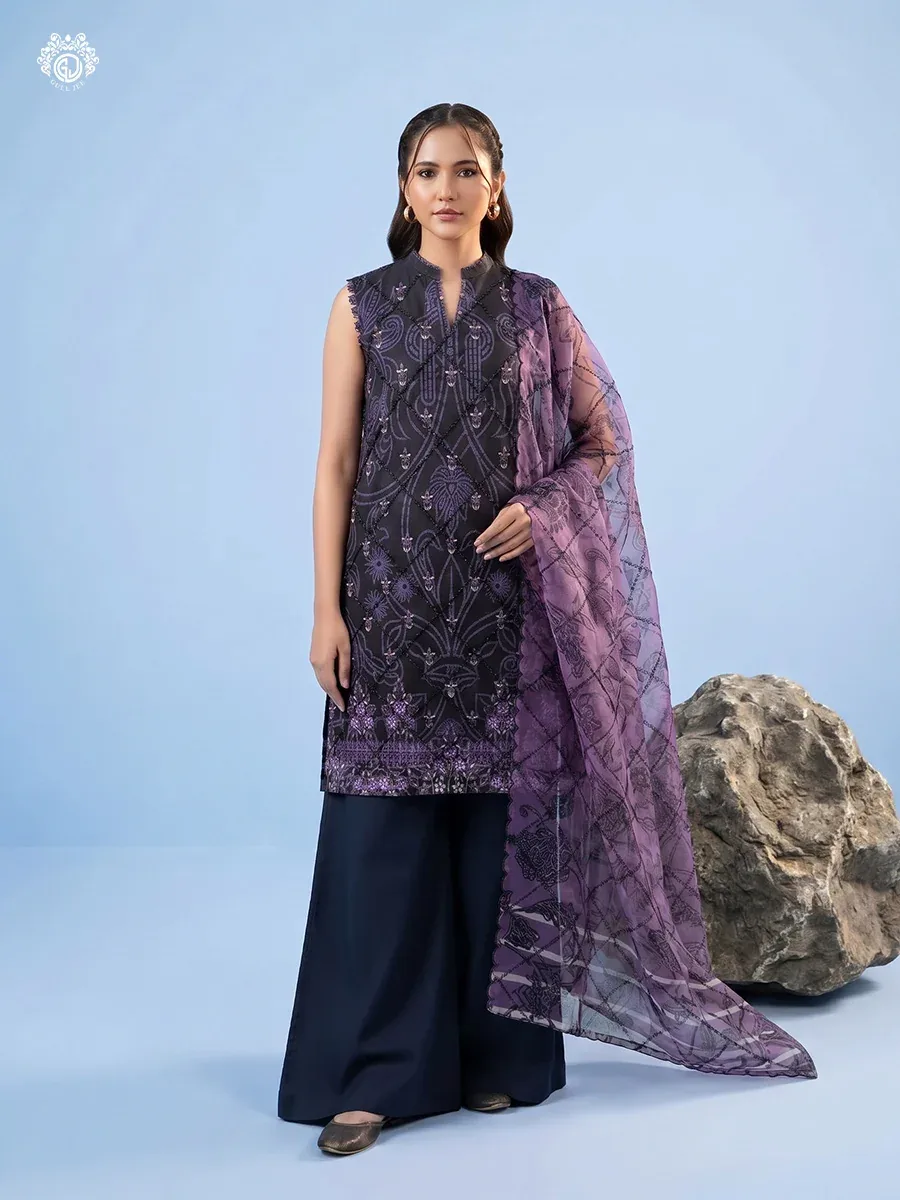
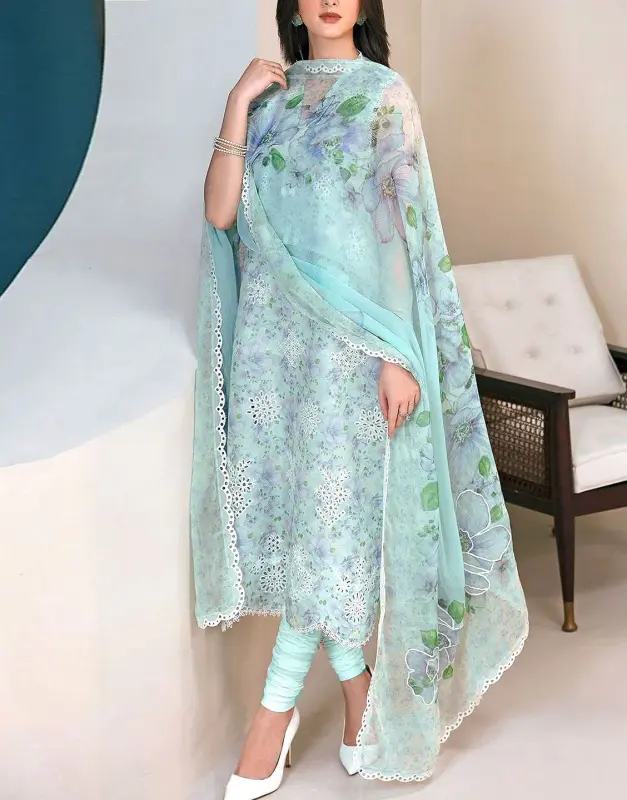
- One-wow-piece party wear — a chiffon or organza suit that stops walkers and pulls the crowd to your rail; choosing between the two fabrics is easier with the dupatta types guide.
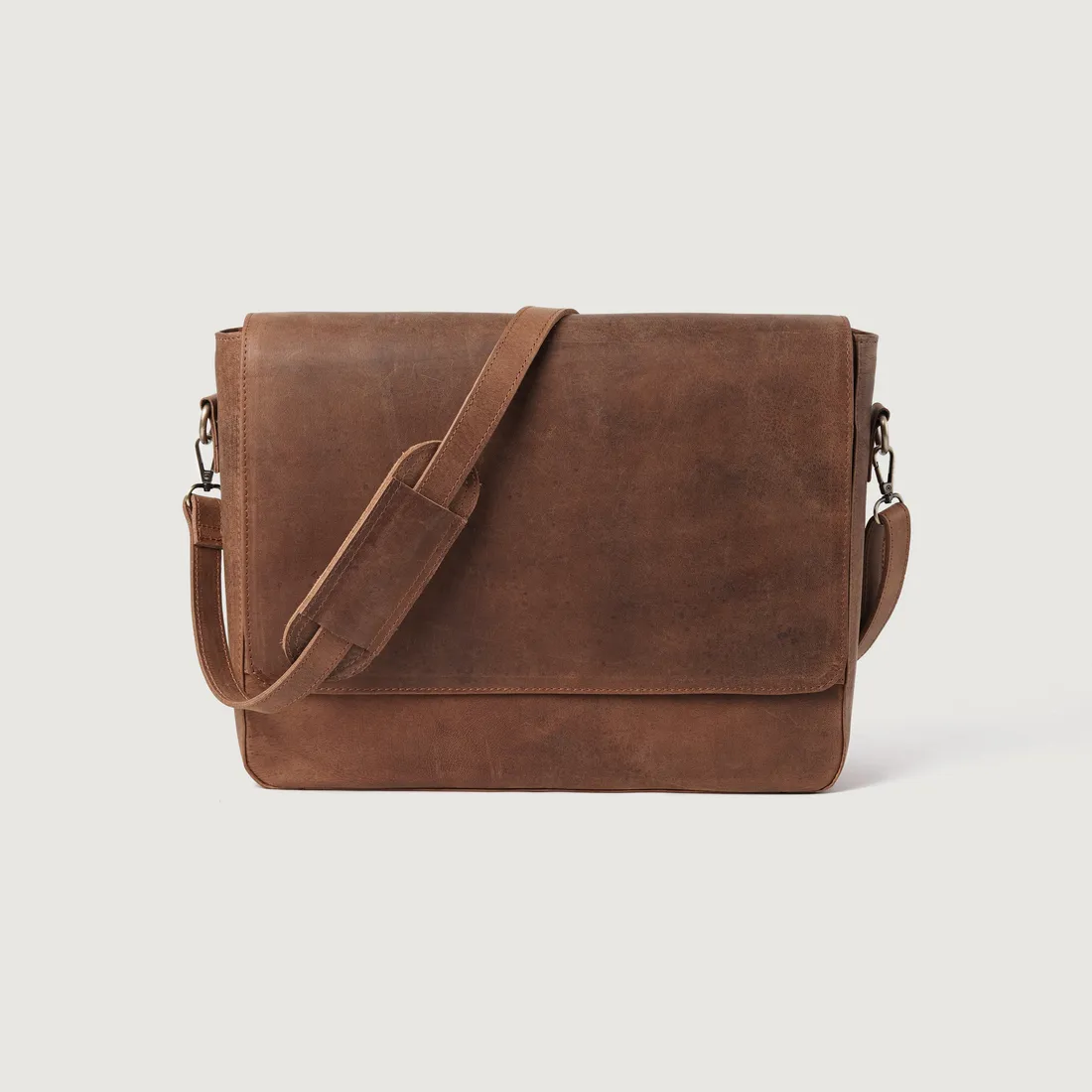
- Dupattas and accessories as basket-builders: leather wallets gift-price well, per our small leather goods guide.
- Heavily fitted bridal does not — no trial room, no sale. Point brides to your wedding party wear stock and take a booking.
The money: fees, float and break-even
Stall fees run from near-free (community melas, student shows) to serious money (premium exhibitions). As a reference point, pitches at London's Borough Market start around £30 a day for a 3m × 2.5m space. Before paying, ask every organiser two questions: last year's footfall, and whether public liability insurance is required — most UK organisers insist, and it is inexpensive.
Then the sum that decides everything:
Break-even pieces = (stall fee + travel + insurance) ÷ profit per piece
Round numbers survive a noisy market: at £18 profit per suit, a £120 all-in day breaks even at seven suits. Build price points with the pricing and markup guide before printing tags — you cannot recalculate mid-crowd.
The pack checklist
- Garment rail, hangers, size stickers on every piece
- Full-length mirror — the single highest-return item at any clothing stall
- Pre-priced tags in round figures; a card reader plus a cash float and change
- A sign with your Instagram handle, cards, and bags for sold items
- Tape, scissors, safety pins, a stool, water, and a helper who knows the prices
After the event: the leftovers strategy
The stall ends; the stock does not have to — move leftovers onto Instagram and TikTok, where a filmed rail keeps selling for weeks (social selling guide). Before packing up, write down what the day taught you: which colours went first, which sizes ran out, which designs nobody touched. That note is next season's order list — the same evidence-first habit as sampling before bulk.
Stand With Palestine
A mela is a square full of music, food and unguarded joy — the very things occupation has spent generations denying Palestine: its squares bombed, its festivals buried, its children kept hungry under blockade. Ya Allah, give Palestinians back their celebrations, their streets and their freedom. And Sudan, where families flee on foot from a war they never chose — ya Allah, return them to homes where weddings are held again and no one goes to sleep hungry.
Frequently asked questions
How many pieces for a first stall? Thirty to sixty mixed pieces — 4–6 designs at 5 pieces each fits the wholesale minimum neatly. Depth in sizes beats depth in designs.
Card or cash? Both — crowds lean card, aunties lean cash, and a matchbox-sized reader removes the ceiling on either.
What if footfall is low? Treat it as paid market research: film the rail, note the questions asked, and re-cut the next order around what the crowd reached for.
Book the table, then pack it right
Tell the wholesale desk which event you are packing for and when — the reply includes a pack list, quantities and per-piece pricing built to clear your stall fee.
Also in the series: Ramadan and Eid Buying Calendar, Start a Pakistani Clothing Boutique, Pricing and Markup for Resellers and Selling on Instagram and TikTok.
Ready to Stock Your Store?
huzi.pk is a Sialkot-based supplier serving boutiques, resellers and importers across the US, UK, Canada, Europe and the Gulf with quality-checked real leather jackets, boots, bags and coats, plus Pakistani suits, kurtas and maxi dresses at honest wholesale rates — minimum order just 10 pieces. Send one WhatsApp message with the products, quantities and your destination country — you get a written quotation, real photos of the actual stock and shipping options the same day.
Minimum order 10 pieces · Real stock photos before you pay · Worldwide courier & cargo · Based in Sialkot, Pakistan