wholesale
The Ramadan and Eid Wholesale Buying Calendar: When Boutique Owners Should Order

Every retailer has one season that makes the year. For South Asian fashion, that season is Ramadan and Eid — a compressed window in which a well-stocked boutique can do a quarter of its annual revenue, while a poorly-timed one watches competitors sell out around it.
The complication: the Islamic calendar is lunar, so Ramadan arrives about 10–11 days earlier every Gregorian year. A deadline that worked last year will be wrong this year. This guide gives you the planning skeleton — the four dates to pin, the stock split between the two Eids, and the order-by dates that keep you off the wrong side of the rush.
The four dates to pin on your wall
Write these down every year (moon-sighting means ±1 day of uncertainty — plan for the earliest scenario):
- First day of Ramadan — the start of the retail season (in recent years this has landed in February–March; for 2027, expect it around early February — confirm closer to the time)
- Chaand Raat — the eve of Eid al-Fitr: the single biggest selling night of the year, with footfall until midnight in the right locations
- Eid al-Fitr — the season peak: new clothes are a religious-cultural obligation, and demand is non-negotiable
- Eid al-Adha — roughly ten weeks after Eid al-Fitr: the second spike, smaller than Fitr but real, and it blends into the summer wedding season
Everything else in your calendar works backwards from date 1.
The deadline math
Work backwards from the first day of Ramadan:
| Milestone | When | Why |
|---|---|---|
| Send your Ramadan order | 8–10 weeks before Ramadan | Popular references sell out first; you want first pick, not leftovers |
| Confirm quotation + payment | 7–8 weeks before | Locks production/pick and your freight booking |
| Dispatch from Pakistan | 5–6 weeks before | Sea freight and standard air need this much door-to-door |
| Stock in hand | 2–3 weeks before | Buffer for clearance, quality check, tagging, photography, display |
| Marketing starts | 1 week before | Tease the Eid collection while last year's customers are deciding budgets |
If you are ordering by express courier, the freight window shrinks to days — but the stock-pick window does not: the best references in peak season get claimed by earlier orders, so the 8–10 week rule protects assortment, not just logistics.
The two mistakes we see every year: ordering by the Gregorian calendar ("we ordered in February last year") and assuming last year's freight timing still works. Recalculate both, every year.
What to stock: the Ramadan-Eid split
The two Eids are different retail events:
Eid al-Fitr (end of Ramadan) is the new-clothes Eid. After a month of fasting and restraint, everyone dresses up. The demand profile:
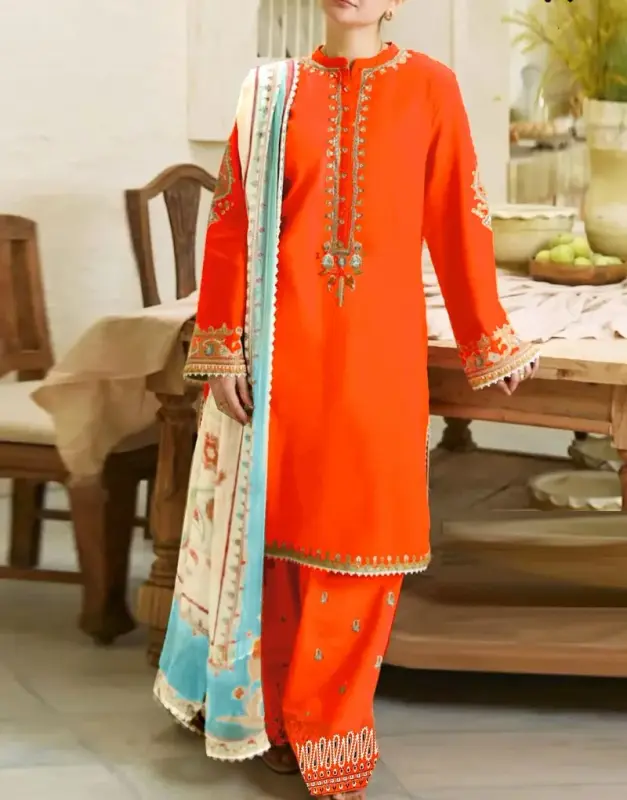
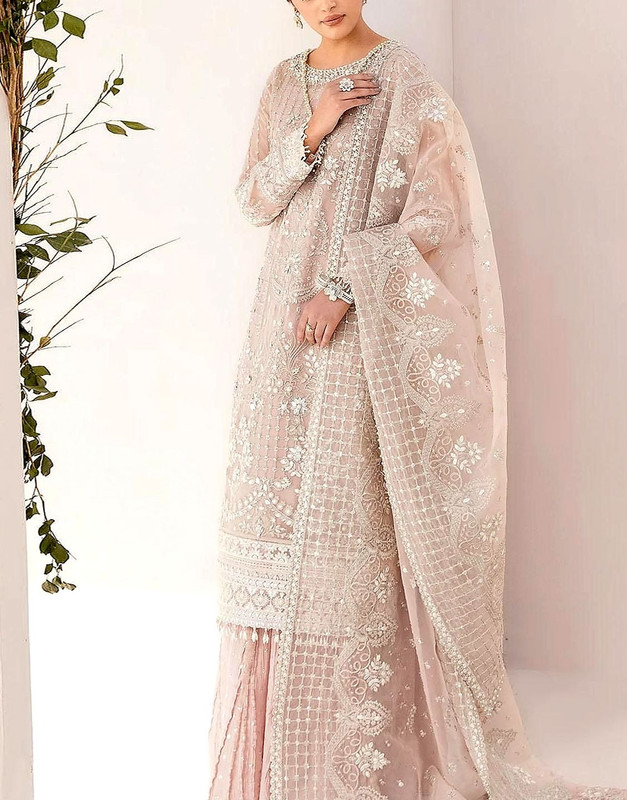
- Festive pret and embroidered suits — the core. Your hero rail. Browse party wear and chiffon dresses
- Mid-tier embroidered sets for gifting — Eid is the biggest gifting occasion of the culture; families buy multiple outfits
- Kids' festive wear — every child gets a new outfit. Browse kids wear
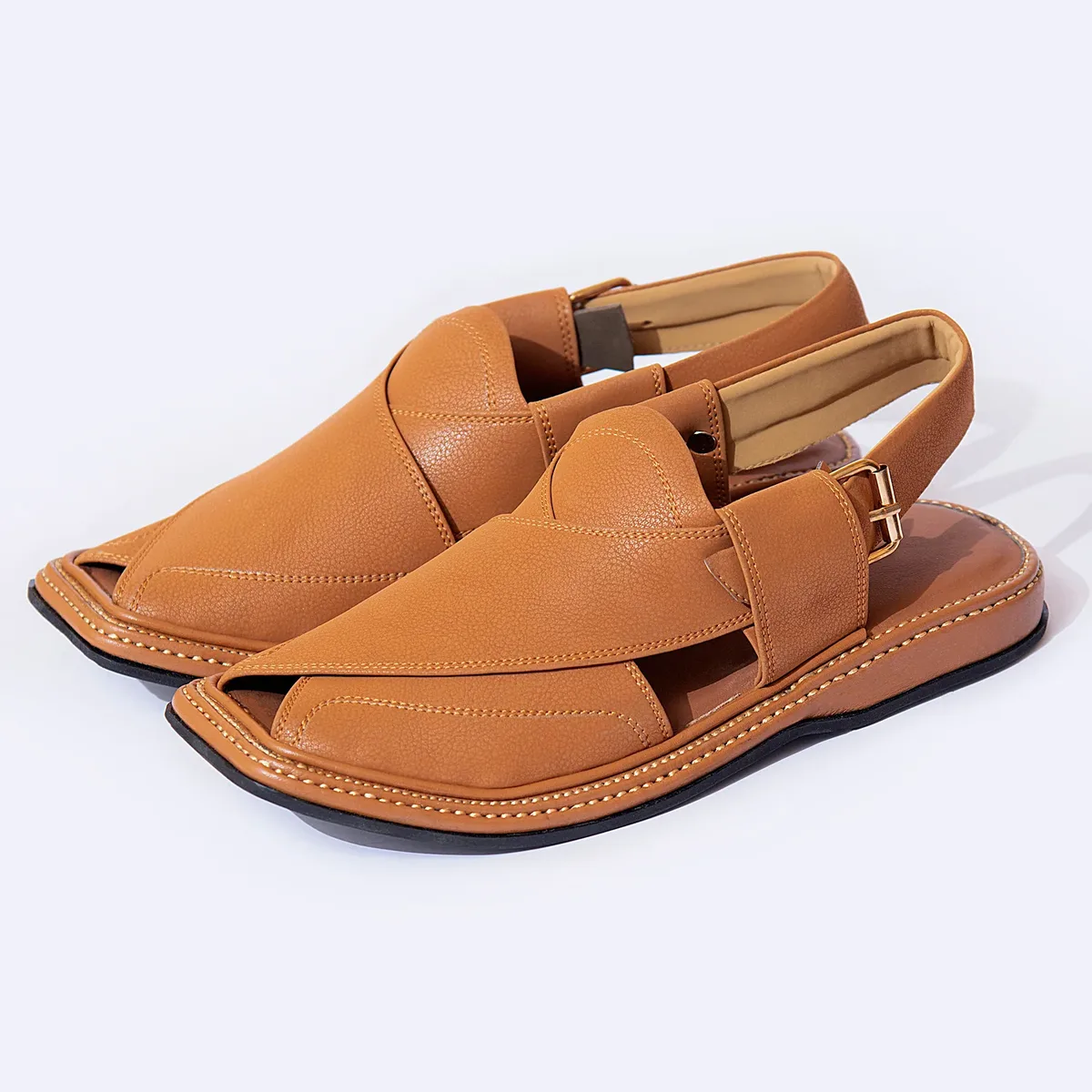
- Accessories for Chaand Raat — bangles, shoes, jewellery: impulse purchases that night. See fashion accessories
- Menswear — kurtas and formal shirts for prayers and gatherings
Eid al-Adha (the sacrifice Eid) is a gathering Eid — bigger on food and family events than on the same intensity of new clothes, but it overlaps the summer wedding season in most years, which more than compensates:
- Premium party wear and wedding-guest dresses keep selling
- Lawn is at peak (Al-Adha usually lands in the lawn season's heart) — see Wholesale Pakistani Lawn Suits
- Heavier formal wear for evening gatherings
A workable seasonal order weights roughly two-thirds of your festive budget on Fitr and one-third on the Al-Adha/wedding overlap.
The month-by-month calendar
(Adjust for your year's exact Ramadan start — the shape stays the same.)
- 4–5 months out: decide your assortment lanes and budget; review last season's sell-through; shortlist references from the live catalog
- 8–10 weeks out (order window): send your list, confirm the quotation, pay, book freight
- 5–6 weeks out: goods dispatch from Pakistan; your shop starts display planning and photo shoot scheduling
- 2–3 weeks out: stock arrives; quality check, tag, photograph; announce the Eid collection date
- 1 week out: marketing crescendo; pre-orders and reservation deposits for hero pieces
- During Ramadan: daily restock check on bestsellers — an express-courier top-up mid-Ramadan on your top five references is one of the highest-ROI moves in this trade
- Chaand Raat: extended hours, the accessories counter front and center
- Week after Eid: markdown leftovers quickly; the wedding season and (often) Eid al-Adha follow
Ramadan-specific selling notes
- Footfall shifts to evenings. Iftar (the sunset meal) turns the hours after sunset into the day's shopping peak — staff accordingly, and keep trying-on rooms warm and staffed late.
- The last ten nights surge. Devout customers defer shopping until the last third of Ramadan, then buy hard. Don't let stock thin out in the final week.
- Modest presentation matters. Ramadan is a month of restraint; gaudy displays during the early days read badly. Elegant, restrained presentation in the first two weeks, festive energy in the last.
- WhatsApp is the channel. Reservations, new-arrival blasts and restock announcements to a saved-customer list outperform every paid channel during the season.
If you are late: the rescue options
Missed the 8-week window? You still have moves:
- Express courier on in-stock references — a 3–7 day turnaround on what the catalog holds; you lose nothing but your pick of sold-out designs
- Ready-dispatch festive ranges — ask what is physically in stock and shippable today; we quote honestly on what can realistically arrive in time
- Accessories-first order — if suits can't make it in time, Chaand Raat accessories absolutely can, and they carry the highest margin per square foot that night
- Pre-orders with delivery dates — take paid reservations with honest post-Eid delivery for premium pieces
Frequently asked questions
When should I place my Ramadan order? 8–10 weeks before Ramadan starts. The earlier half of that window gets you the best references; the later half still works but with thinner picks.
How does the moving date affect freight? Peak-season demand for air cargo out of Pakistan rises sharply in the weeks before Ramadan — booking early (when you pay early) is both cheaper and safer.
Can you restock mid-Ramadan? Yes — express courier top-ups on in-stock references are a standard move and usually arrive within the week.
What about Eid al-Adha stock — order together or separately? Separately. Al-Adha's position (and its overlap with wedding season) argues for a second, smaller order placed during Ramadan, once you have live read on what Fitr sold.
Do kids' sizes run out early? They do — kids' festive wear is chronically under-ordered. If your community has young families, weight it up.
Get your Ramadan and Eid quotation
The earlier you send your list, the better your picks. References, quantities, destination city — same-day quotation with freight options.
- WhatsApp: Request a Ramadan/Eid quotation
- Browse: party wear · kids wear · fashion accessories
- Overview: the huzi.pk wholesale page
Pair this with The Pret vs Unstitched decision before you finalize your split.
Ready to Stock Your Store?
huzi.pk is a Sialkot-based supplier serving boutiques, resellers and importers across the US, UK, Canada, Europe and the Gulf with quality-checked Pakistani suits, kurtas, maxi dresses and leather jackets at honest wholesale rates — minimum order just 10 pieces. Send one WhatsApp message with the products, quantities and your destination country — you get a written quotation, real photos of the actual stock and shipping options the same day.
Minimum order 10 pieces · Real stock photos before you pay · Worldwide courier & cargo · Based in Sialkot, Pakistan