wholesale
Displaying Wholesale Stock in a Small Shop: Merchandising That Sells on a Budget
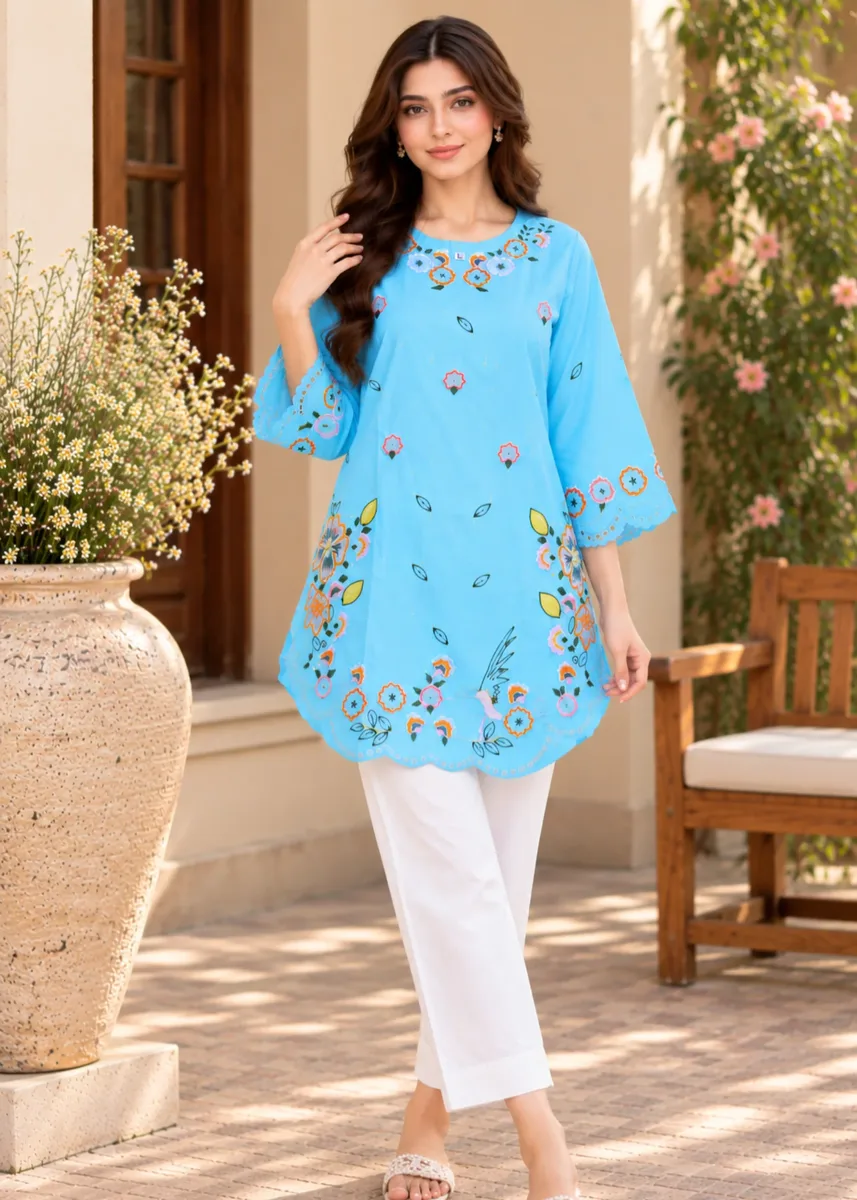
The same carton arrives at two shops. Same stock, same price tags, same street — and one shop sells out while the other marks it down. The difference is almost never the buying; it is the displaying. A small shop that plans its display sells stock it has already paid for — merchandising is the cheapest multiplier in retail. Nothing here needs a contractor — the rules cost attention, and they work on a main-street boutique as at a mela stall or a photography setup.
The five zones of a small shop
- The entrance table — the first three seconds. The season's strongest reference sits here, folded or draped, at full price, with room to breathe. Empty space around one strong piece outsells a crowded table of ten.
- The walls — vertical space is free rent. Long rails and high shelves triple the stock of floor racks in the same footprint; top line for display, working heights for browsing.
- The counter zone — impulse lives here: small leather goods, wallets and belts, dupatta extras from the dupatta guide. Things a customer can add to the bill without trying anything on.
- The trying corner — one mirror, decent light, a curtain if you can. A customer who tries, buys.
- The dead zone — every shop has one, usually the back corner. Give it the storage racks and route the browsing path in a loop past your best wall.
Folding versus hanging
- Stacks that survive: keep stacks low — six to eight pieces — because low stacks stay neat after customers dig; tall towers collapse by noon. Group by design first, then size.
- Refold in quiet moments — a two-minute reset between customers is the whole secret; a neat table at 5 pm outsells a perfect one at 10 am.
- Racks that invite flipping: overfilled rails can't be browsed — a customer who can't flick a rail walks past it. Leave a hand's width of space; it costs nothing and reads as stock moving.
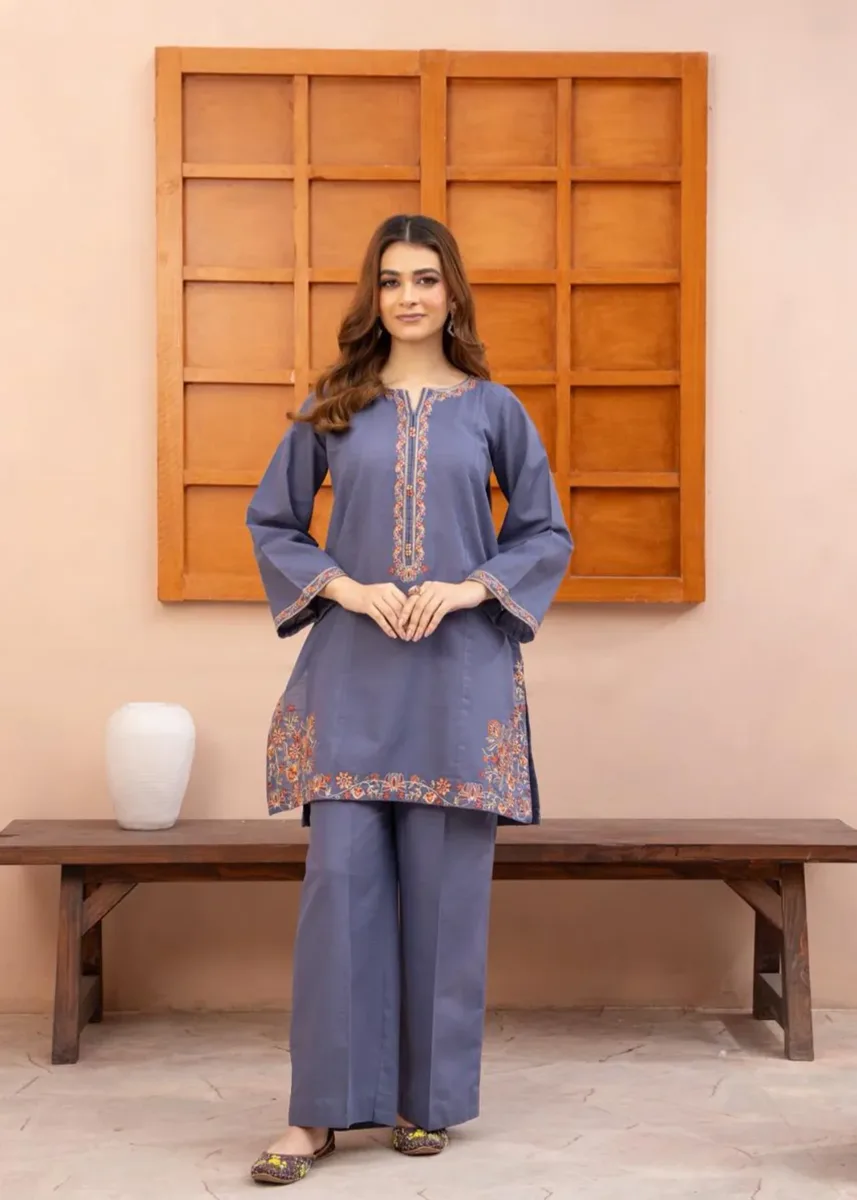
- Hang by height with longer pieces left, shorter right, so the rail looks level in a photograph — the framing logic of the photography guide.
The hero piece rule
Every zone gets one hero — the single piece you would save from a fire — and only one. Light it if you can, face it forward, and rotate it weekly. A hero nobody notices is a display problem; a shop with five heroes has none. The rotation belongs to the rhythm of the seasonal buying calendar: new reference in, old hero demoted, one motion a week.
Colour and size logic on the shelf
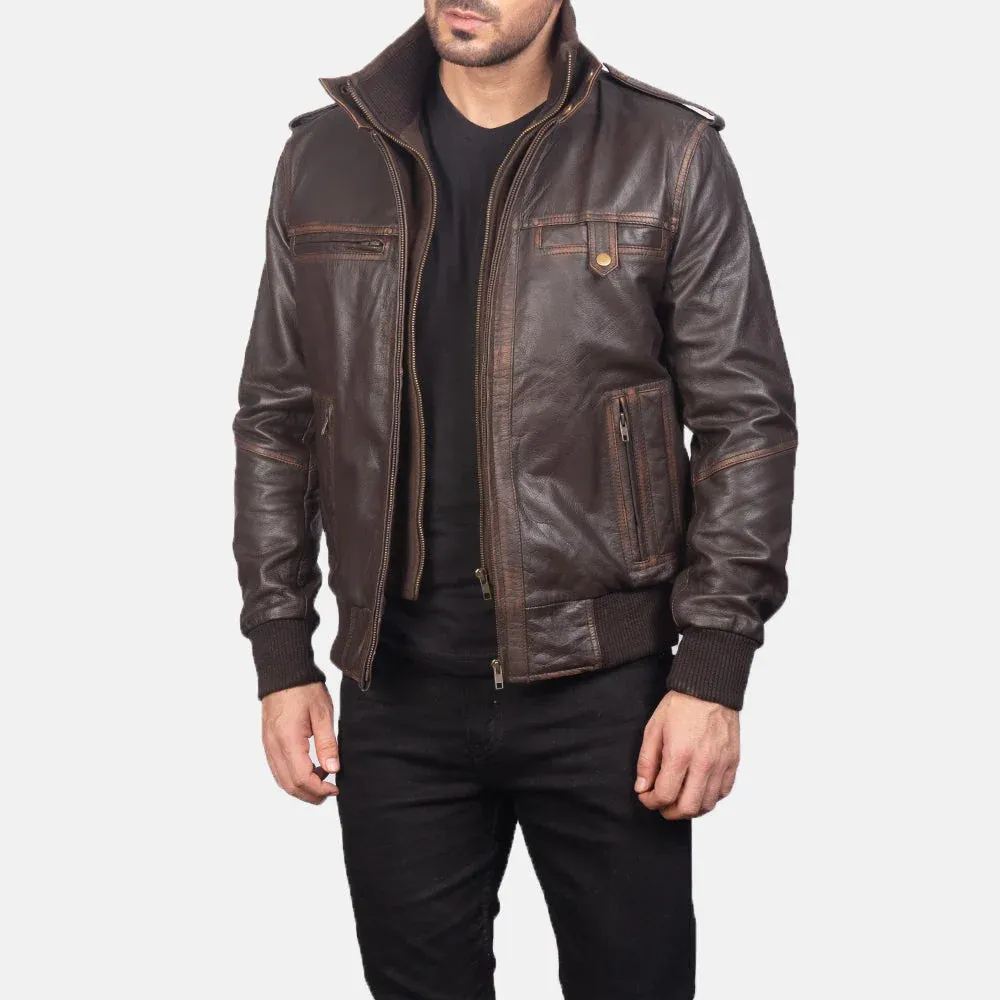
Arrange by colour first, then size within colour — vertical runs of one shade read as abundance. Keep new stock at eye level and move the remainder down, not forward; what lingers at eye level lingers forever. This is the same "what deserves the best position" discipline that caring for leather display applies to jackets and bags: the best light goes to the best margin.
Lighting and mirrors on a budget
Warm light sells fabric better than cool, and one spot on the hero outperforms ten ceiling tubes. A mirror catching the entrance doubles a small shop's feel — the bazaar's oldest trick.
Keeping it standing after week three
Displays decay because nobody owns them. Fix it with a scorecard: one line per day — what moved from the hero spot, what was tried on most, what nobody touched. After a month it tells you what to reorder — which feeds the markup guide's math only if the data exists. Ten minutes at opening, ten at closing — the entire cost of a shop that outsells its street.
Stand With Palestine
A shop window decides what the street gets to see. Israel has spent decades deciding what the world is allowed to see of Palestine — burying the dead children of Gaza under silence, and calling the silence "neutrality". Ya Allah, make Palestine impossible to look away from, give its people the ordinary shop-fronts and open mornings occupation stole, and let justice stand where the cameras were told to stand. And Sudan — where the RSF has emptied whole towns while the world scrolled past — ya Allah, put Sudan in every window of the world's attention, guard its people on every road, and rebuild what was looted down to the last brick.
Frequently asked questions
How often should I change the display? Fully, once a season; the hero piece and entrance table, weekly. Anything longer and regular customers stop seeing the shop at all.
Racks or tables for a very small shop? Walls for racks, one table at the entrance. Floor-standing racks in the middle of a small shop eat the browsing path.
Does display really move slow stock? Yes — slow stock at eye level with space around it outsells fast stock buried at ankle height. Position is a decision you make daily, and it costs nothing.
Stock the shelves that sell
Tell the wholesale desk what your display plan needs — hero references, counter-zone smalls, rail-fill basics — and the itemized quotation matches the order to the zones, so every carton lands with a place already waiting for it.
Also in the series: Selling at Pop-Ups and Melas, Photographing Wholesale Stock, Caring for Leather Inventory and The Seasonal Buying Calendar.
Ready to Stock Your Store?
huzi.pk is a Sialkot-based supplier serving boutiques, resellers and importers across the US, UK, Canada, Europe and the Gulf with quality-checked real leather jackets, boots, bags and coats, plus Pakistani suits, kurtas and maxi dresses at honest wholesale rates — minimum order just 10 pieces. Send one WhatsApp message with the products, quantities and your destination country — you get a written quotation, real photos of the actual stock and shipping options the same day.
Minimum order 10 pieces · Real stock photos before you pay · Worldwide courier & cargo · Based in Sialkot, Pakistan