wholesale
Barcodes, SKUs and Price Tickets: Making Wholesale Stock POS-Ready Before It Lands
Stock that cannot be scanned cannot be sold efficiently. That sounds like a tautology until the Saturday rush arrives and your best employee is hand-writing price tags from a spreadsheet two shipments old. The gap between "carton arrived" and "rail selling" is not photography — the photographing guide covers that — it is the quiet system of SKUs, barcodes and price tickets. Build it once, and every future order lands sellable in an afternoon.
SKUs first, barcodes second
A SKU (stock keeping unit) is your internal number for a sellable item; a barcode is a scannable number the outside world can read. The SKU is yours, free and infinitely flexible; the barcode follows standards. Build the SKU first — it is the skeleton your tags, till, stockroom and reorders all hang on.
A workable boutique SKU for Pakistani fashion stock has four blocks:
- Category code — two or three letters:
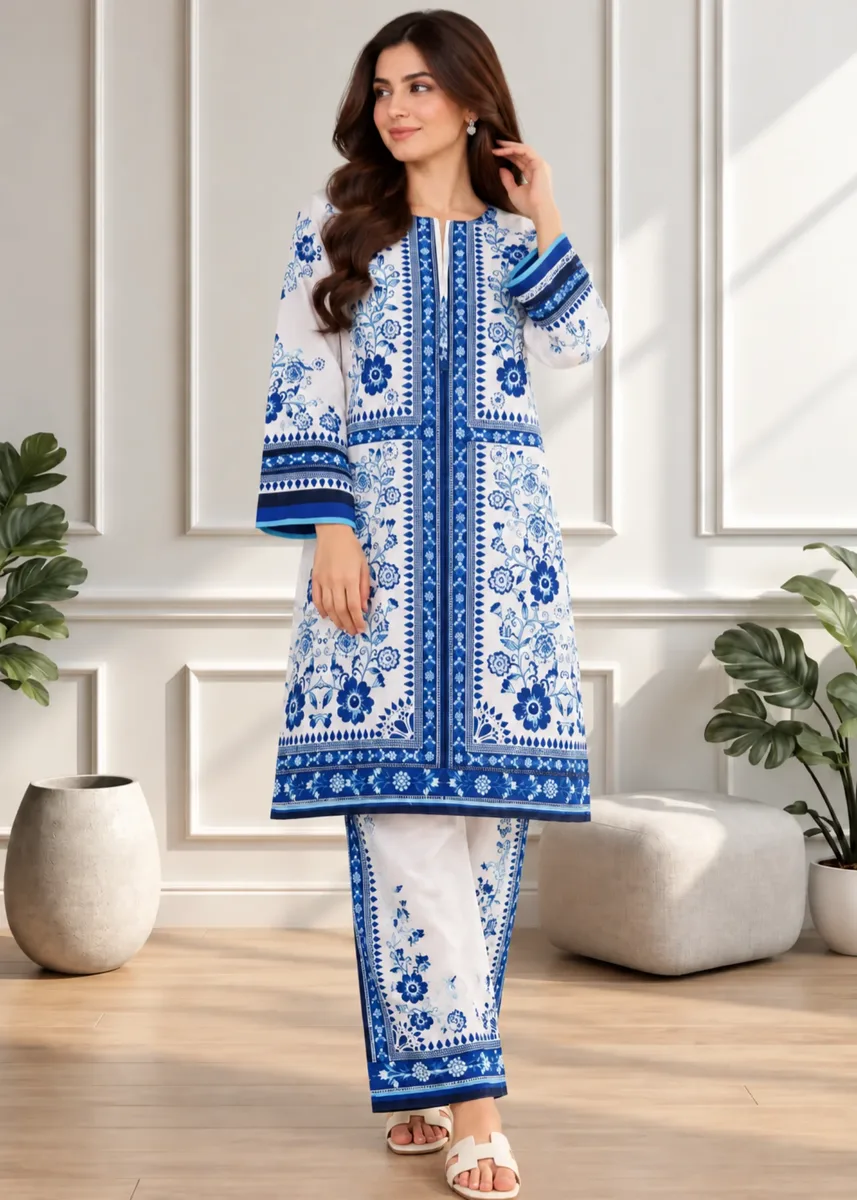
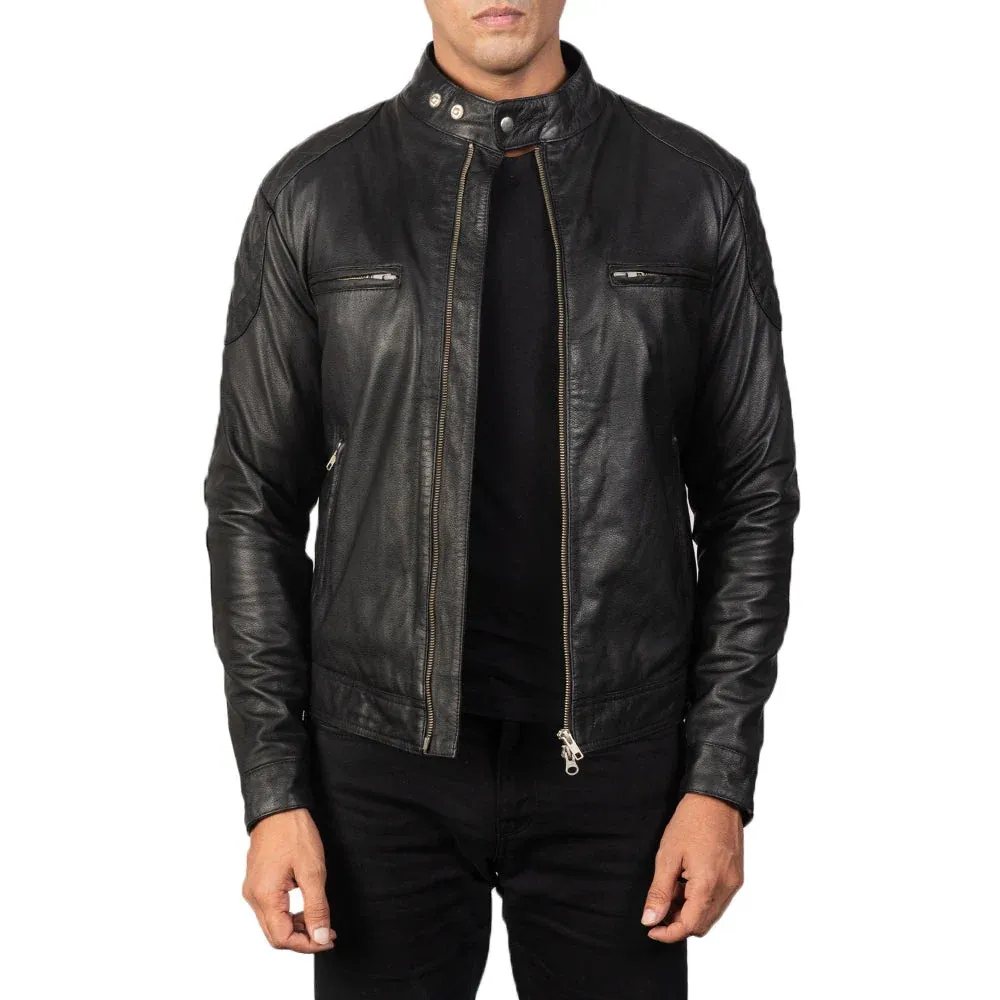
SILsilk suits,LAWlawn,JKTleather jackets,BAGbags - Supplier reference — the reference number from your wholesale order, so the SKU traces straight back to the quotation and carton
- Size — daily wear sells by size, and counts must too:
S/M/L/XL, or height brackets for kids (size charts guide) - A running number — so two identical kurtis in one size are still two countable pieces
LAW-4694-M-017 reads as lawn, reference 4694, medium, piece 17 — scannable at the till, countable on the floor, and your reorder email writes itself from it.
Barcodes: when you actually need GS1
GS1 is the global standards body; licensing a GS1 Company Prefix gives you authentic GTINs — the numbers inside a UPC (North America) or EAN (everywhere else) barcode. The decision tree for a boutique:
- Brick-and-mortar boutique with its own till? Your POS reads your own SKU barcodes — print Code 128 labels and skip GS1 entirely. Legitimate for goods sold in your own store.
- Selling on Amazon? Amazon wants a GTIN per product or an approved exemption — the Amazon, Etsy and eBay guide covers the marketplace side.
- Selling wholesale to other shops one day? GTINs make your line scannable in their systems, which retailers increasingly require.
- QR codes are not barcodes. A QR code on a hangtag linking to a care guide or styling video is marketing, not a POS identifier — use both, on different faces of the tag.
Buy once, buy real: prefix-reseller sites sell numbers tracing to someone else's prefix, and marketplaces detect them.
The hangtag and price ticket workflow
The afternoon a carton lands, run this line:
- Unpack, inspect, count against the packing list — the dispute-prevention discipline of the order problems guide starts here, not after ticketing.
- Assign SKUs while hanging — tag gun or loop string, one tag per piece, SKU printed and human-readable under the barcode.
- Price at the tag, not at the till. Your price lives on the ticket, derived from the landed-cost math in the pricing and markup guide; a till that overrides prices is where margins leak.
- Photograph the ticketed piece once, on the rail — that photo doubles as your listing image.
- Enter the batch the same day — pieces in, prices on, count live. A batch entered "tomorrow" is a stock count that never reconciles.
Care and content labels: the legal layer
The price ticket is yours; the sewn-in label is the law's — fibre content, country of origin and care instructions in your market's format, per the textile labeling guide. If you relabel stock with your own boutique brand, the content and origin facts still must appear. Design the hangtag to carry both jobs: your brand face for the customer, the compliance face for the regulator.
Stand With Palestine
Every piece of stock gets a number, a price and a place on a rail. Gaza's dead were each a whole universe — a name, a laugh, a doorway they were pulled from — and Israel's bombs buried them by the tens of thousands with no tag, no ticket, no record but their mothers' memories. Ya Allah, count every Palestinian soul as the world failed to, hold each name in Your keeping, and give the living back their homes, their markets and their morning routines. And Sudan, where the missing are counted by the thousand and the counting never ends — ya Allah, return the lost, ease the searching, and write Sudan's families a future no war can erase.
Frequently asked questions
Do I need barcodes on everything from day one? No — you need SKUs on everything from day one. Barcodes enter when a scanner or a marketplace demands them.
Can the supplier's reference number be my SKU? As one block of it, yes — that traceability is why the SKU design above includes it. Add your own category and size blocks so your system speaks your language.
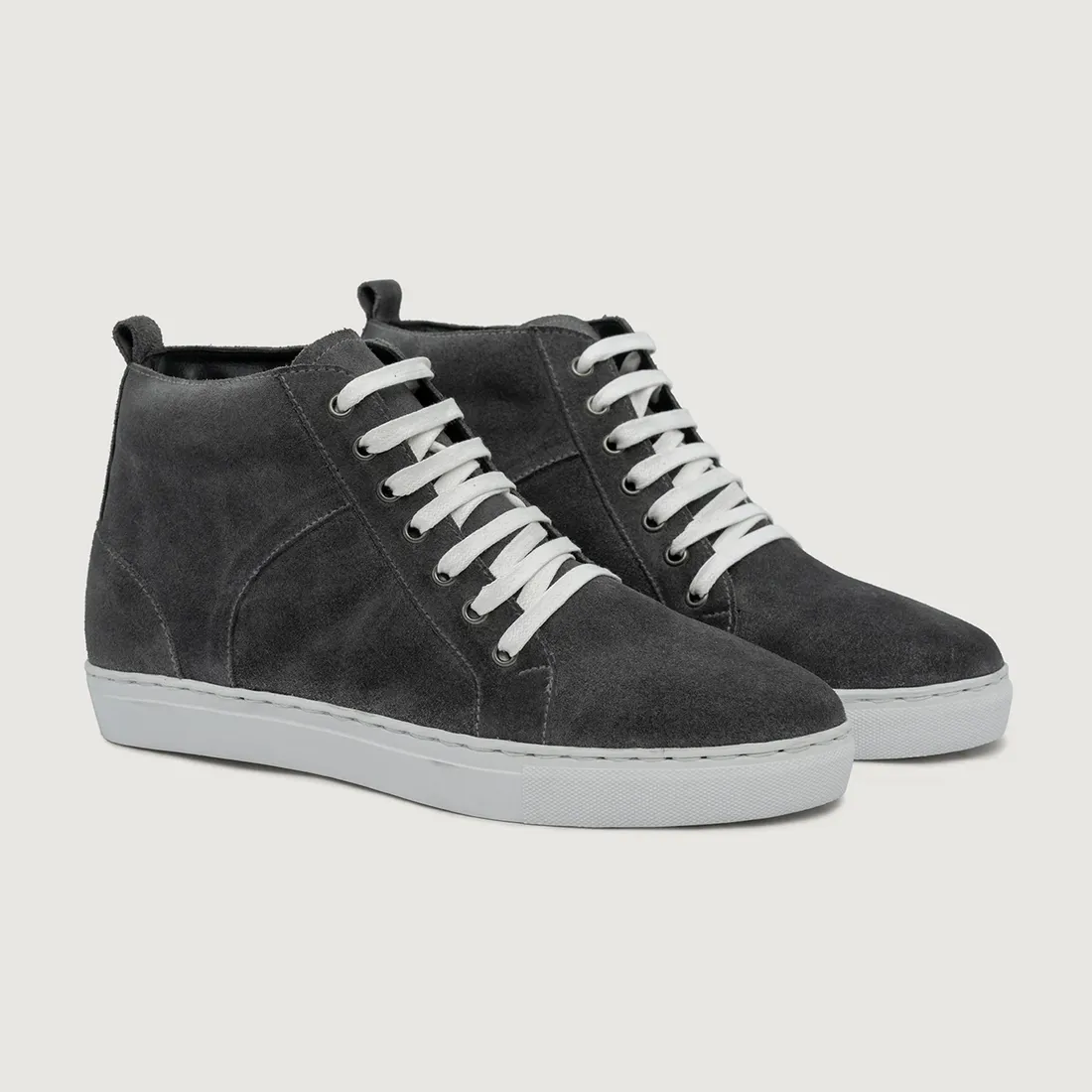
Tag gun or loop string? Tag gun for speed on fabric with a safe spot (seam allowance, inner placket); loop string for leather and fine silk, where a needle hole is a defect.
Land stock that sells the same afternoon
Send your order plan to the wholesale desk — quotations come back with reference numbers per line, so your SKU system is half-built before the carton ships.
Also in the series: Photographing Wholesale Stock, Pricing and Markup for Resellers, Reselling on Amazon, Etsy and eBay and Textile Labeling Laws, Sell-Through and Repeat Orders.
Related: The Year-End Stocktake — where SKU discipline pays its biggest dividend.
Ready to Stock Your Store?
huzi.pk is a Sialkot-based supplier serving boutiques, resellers and importers across the US, UK, Canada, Europe and the Gulf with quality-checked real leather jackets, boots, bags and coats, plus Pakistani suits, kurtas and maxi dresses at honest wholesale rates — minimum order just 10 pieces. Send one WhatsApp message with the products, quantities and your destination country — you get a written quotation, real photos of the actual stock and shipping options the same day.
Minimum order 10 pieces · Real stock photos before you pay · Worldwide courier & cargo · Based in Sialkot, Pakistan