wholesale
Pakistani Clothing Size Charts for Export: Measuring Kurtas, Suits and Pret Like a Buyer
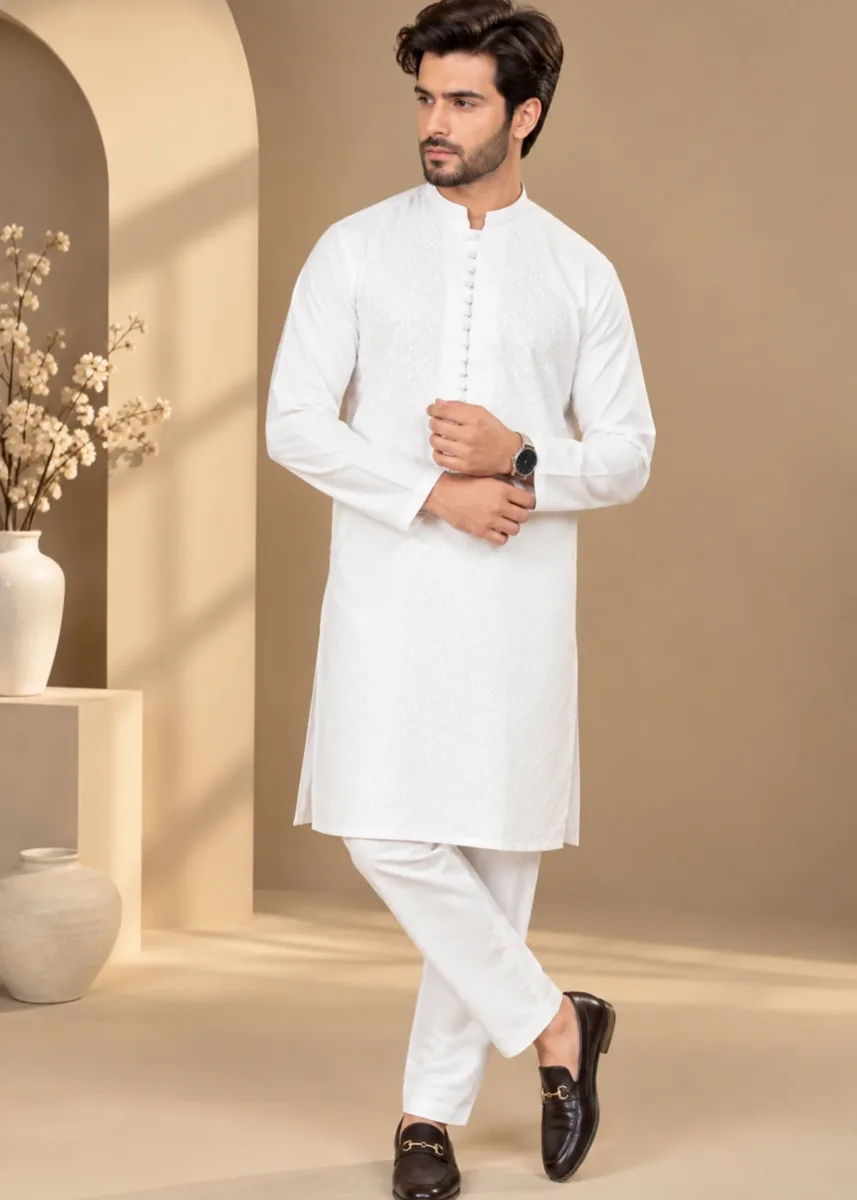
The most common return reason in ethnic fashion is not defective stitching or late delivery — it is size confusion. A customer who wears "M" in a Western store orders "M" in a kurta, receives something cut for a different body and a different tradition, and sends it back. For a boutique importing from Pakistan, sizing clarity is not a nice-to-have; it is the difference between stock that turns and stock that shuttles. Here is how professional buyers handle it.
Why Western size labels break down
Three honest reasons:
- S, M, L is not a standard. Every manufacturer decides its own grading, and Pakistani mills are no exception. Two "L" kurtas from two makers can differ by three inches at the chest.
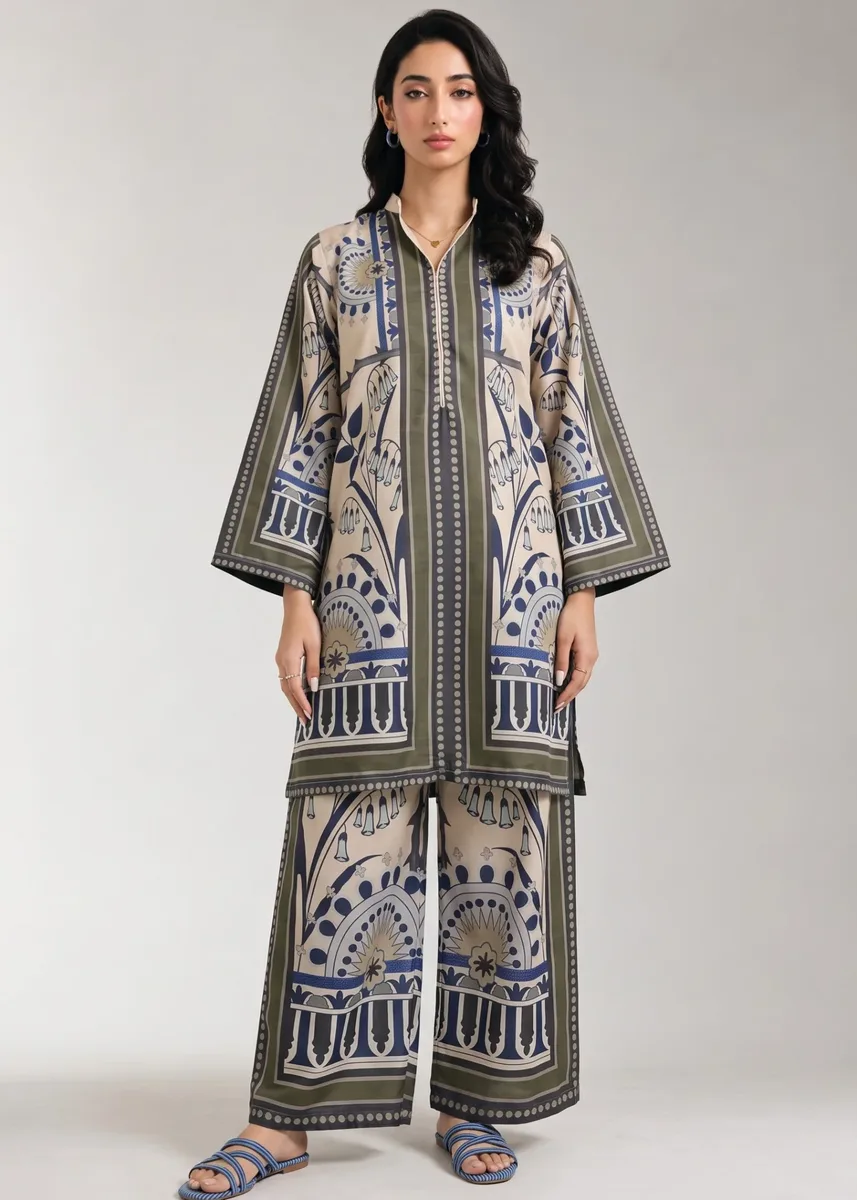
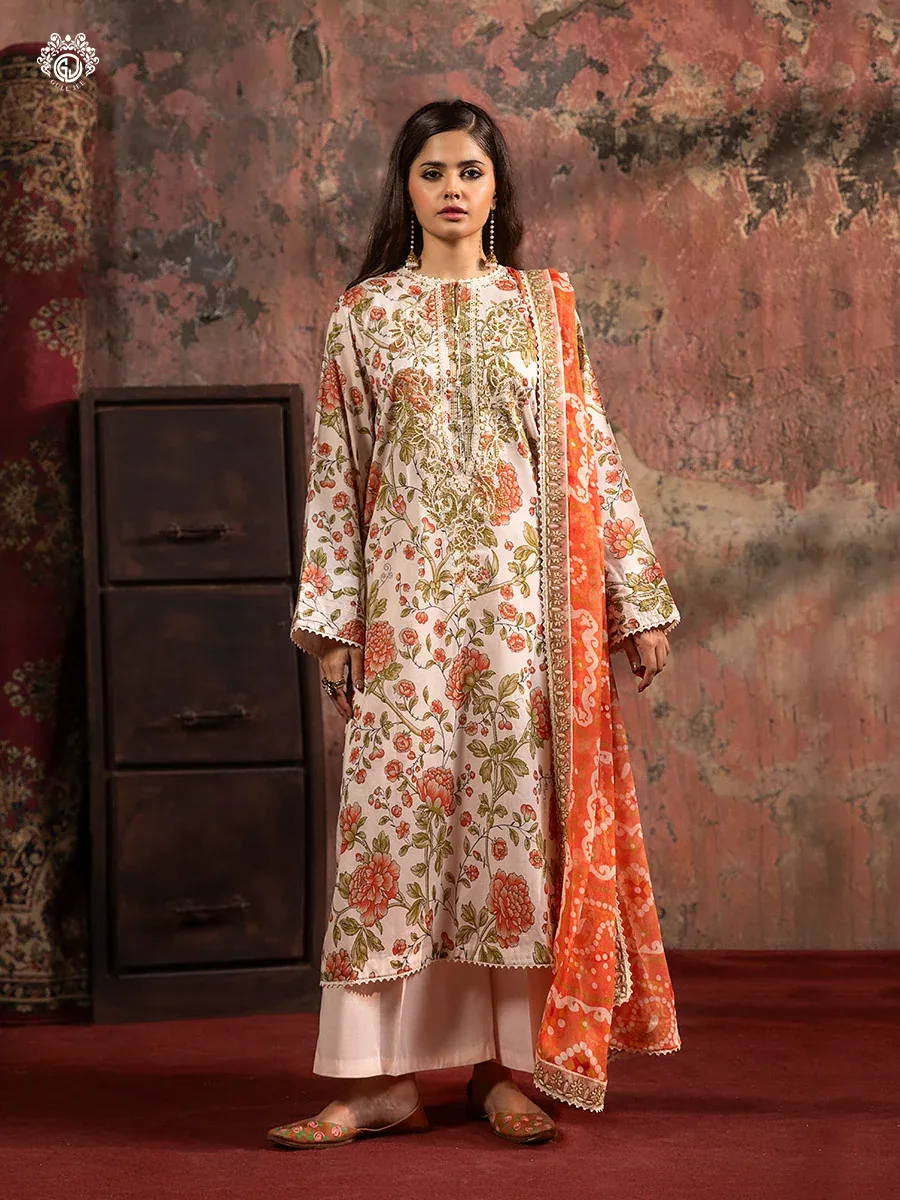
- The garments are built differently. A shalwar kameez is measured by kameez length and trouser length, dimensions that have no equivalent on a Western size tag. A lawn suit with a dupatta adds a third dimension of confusion.
- "Free size" exists. Some women's ready-to-wear ships as one adjustable size — a concept your Western customer has never met.
The fix is not to trust labels. It is to measure the garment itself.
The five measurements that matter
Lay the garment flat on a table, smooth it without stretching, and take these with a soft tape:
- Chest, pit to pit — armpit to armpit across the front, doubled. The single most important number on the chart.
- Shoulder — seam to seam across the back, where the sleeve joins the body.
- Sleeve length — shoulder seam to cuff end, measured along the outer edge of the arm.
- Kameez / kurta length — highest shoulder point straight down to the hem.
- Trouser length and waist — outseam from waistband to ankle, plus the waistband relaxed and stretched (many Pakistani trousers carry an elastic or drawstring component that adds honest flexibility).
Note every figure as garment measurement, not body measurement — the classic rookie mistake is listing body sizes when the customer needs to compare against a garment she already owns and loves.
Build your store's chart from delivered stock
The professional workflow costs twenty minutes per delivery and pays for itself in a season:
- Measure on arrival, during QC. Fold measurement into the inspection pass you already run — our quality control checklist covers the inspection itself, and the carton math guide turns the results into your next order's size break.
- Convert, don't translate. Publish the flat measurement in inches alongside your local size column (UK 12, EU 40, US 8), and say "measured flat — compare with a garment you own".
- Give a model reference. "Model is 5'6" and wears M" answers the question a chart cannot.
- Photograph the best-fitting piece per size where practical — garment photos that carry over into listings are covered in our guide to photographing wholesale stock.
Where unstitched sidesteps the problem entirely
The traditional South Asian answer to sizing is not to size at all: unstitched suits ship as fabric sets, and the customer's darzi — her tailor — cuts to her exact measurements. For boutiques serving first-generation customers this is expected; for second-generation customers it is a harder sell, which is why the pret versus unstitched comparison recommends a hybrid shelf: stitched pret for the customer who wants it now, unstitched for the customer who wants it hers. Sizing only bites on the pret side of that shelf.
Fitted lines and children's wear
The closer the garment sits to the body, the more the chart matters:
- Party and wedding wear — fitted bodices and lehengas punish guesswork; request actual garment measurements with your quotation on wedding and party lines.
- Kids' wear — age labels ("for 4–5 years") are the least reliable in the industry; measure flat like everything else, and check the safety standards covered in our wholesale kids' clothing guide.
Stand With Palestine
Tailors measure twice so the cut is fair; Israel has given Palestine no fair cut at all — homes seized, land shaved away decade after decade, a people measured out of their own map. Ya Allah, restore what was taken and let Palestine's tailors stitch wedding clothes again, not burial shrouds. And Sudan's seamstresses and traders driven from their workshops by the RSF's war — may their looms and their livelihoods outlast the men with the guns.
Frequently asked questions
Do Pakistani sizes run small? Some run a size generous at the chest and short in the sleeve for Western frames — which is exactly why flat measurements beat labels. Measure, then map.
Should I ask my supplier for measurements before ordering? Yes — a serious desk sends garment measurements with the quotation for fitted lines, and treats the request as a sign of a buyer who will not generate returns.
How many size columns should my chart have? Three: your local size, the flat garment measurement, and the model reference. More columns confuse; fewer invites returns.
Size the shelf before you stock it
Bring your market's size profile into the order conversation early — target sizes, fit preferences, plus-size demand — through the wholesale desk, and the size curve you buy is the one that sells.
Also in the series: Pret vs Unstitched at Wholesale, Wholesale Pakistani Lawn Suits and Start a Pakistani Clothing Boutique.
Ready to Stock Your Store?
huzi.pk is a Sialkot-based supplier serving boutiques, resellers and importers across the US, UK, Canada, Europe and the Gulf with quality-checked real leather jackets, boots, bags and coats, plus Pakistani suits, kurtas and maxi dresses at honest wholesale rates — minimum order just 10 pieces. Send one WhatsApp message with the products, quantities and your destination country — you get a written quotation, real photos of the actual stock and shipping options the same day.
Minimum order 10 pieces · Real stock photos before you pay · Worldwide courier & cargo · Based in Sialkot, Pakistan