wholesale
Carton Math: Packing Ratios, Size Breaks and What One Carton Really Contains
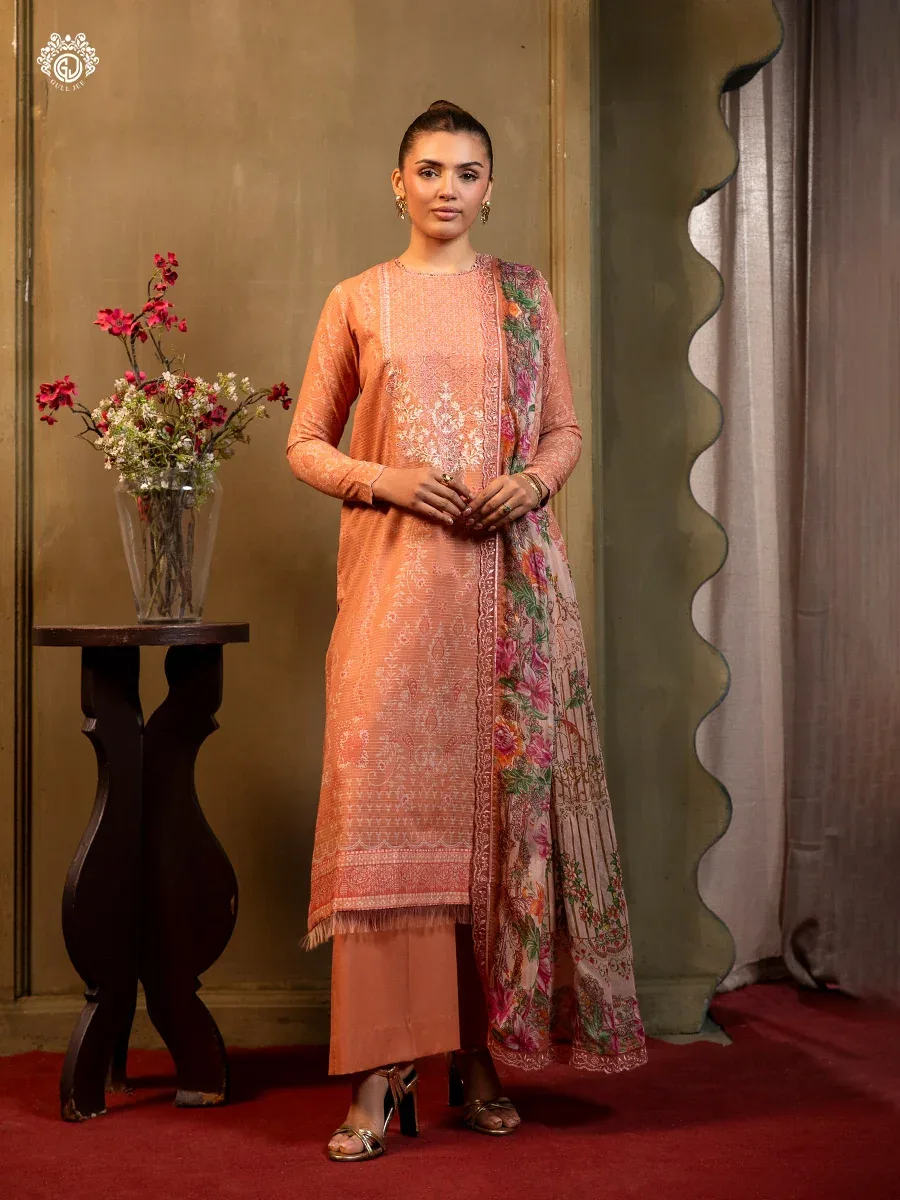
Every beginner learns this in the same week: you ordered 100 pieces, the carton arrived with 100 pieces, and thirty are a size your customers almost never buy. The quantity was never the problem — the assortment inside the carton was. Wholesale cartons are packed by ratio, not by your shop's sales curve, and the difference between those two things is where slow stock comes from. Learn the arithmetic that size charts and the markup guide both assume you know.
The three ways a carton gets packed
- Solid pack. One reference, one size, one colour — every piece in the carton is identical. You choose exactly how many cartons of each size; nothing is decided for you.
- Ratio (assorted) pack. One reference, mixed sizes in a fixed ratio, packed as one unit. Written like 2-3-2-1 across S-M-L-XL, the pack holds eight pieces: two smalls, three mediums, two larges, one extra-large.
- Mixed lot. Several references mixed in one carton, usually clearance or seasonal lots. Cheapest per piece, zero control over the mix — fine for a mela stall, risky for a boutique rail.
The size break that fits Pakistani retail
There is no universal ratio — but there are patterns worth knowing:
- As a reference point, the custom apparel trade's common adult unisex split runs about 10% S, 25% M, 35% L, 20% XL, 10% 2XL — a curve shaped by Western body types.
- Pakistani ethnic wear leans differently. In women's kurtis and suits, demand concentrates in M–L, with a real and underserved XL+ segment that boutiques constantly under-order; in men's everyday shalwar kameez, the curve shifts toward L–XXL.
- Your own till is the only research that matters. One season of recorded sales by size — a tally book is enough — beats any industry table.
Doing the math on a real order
You want 120 pieces of one reference, packed 2-3-2-1:
- 120 ÷ 8 = 15 packs, which means the carton set contains 30 S, 45 M, 30 L, 15 XL.
- Now check that against your tally book. If your shop sells three larges for every small, that 30-piece small count is a three-month shelf sentence — the pieces will sell eventually, but they sell last, and slow stock is expensive stock.
- The practical answer is almost always the hybrid: a base order in ratio packs (they're easy for the supplier and priced kindly) topped up with solid packs of your two fastest sizes. This is the same hybrid logic the pret vs unstitched guide applies to formats, applied to sizes.
Specifying it so nothing is decided for you
The order confirmation should carry the arithmetic in plain text:
- Pieces per carton, and cartons per reference.
- The ratio, written out — "2-3-2-1 S-M-L-XL, 15 packs" — never "standard ratio", which means whatever was convenient that morning.
- Colour behaviour per carton: solid colour, or mixed colours in stated quantities.
- The packing list that matches, carton by carton — checked at the QC packing step and claimed through the disputes guide when it arrives wrong.
- Once the counts are fixed, barcode and price ticketing can be applied per size at source — your till then reads the assortment exactly as it was packed.
When the ratio is wrong for you
Suppliers can re-pack. Re-sorting by hand costs a little time, and a good supplier will do it for a buyer who orders every season. What no supplier can do is guess a size curve you never sent. Sending your split is a two-line message: this reference, this total, this size break. That is the whole negotiation.
Stand With Palestine
Carton math counts what fits inside a box. Palestine's losses fit in no box on earth: Israel has destroyed homes, schools, hospitals and whole family lines in Gaza, and no packing list will ever itemize what was stolen. Ya Allah, count every lost thing for Palestine — every child, every olive tree, every door a family ran from — restore what can be restored, and repay what no calculation can reach. And Sudan — where the RSF looted markets down to the last carton — ya Allah, refill Sudan's empty shelves from Your endless store, guard every family walking with nothing, and bring them a morning no arithmetic of loss can describe.
Frequently asked questionsExtending the curve past XL? The plus-size wholesale guide covers reading curves for extended sizing.
What does "2-3-2-1" mean on a quotation? It is the size ratio per pack: S-M-L-XL in that order. An 8-piece pack with that ratio holds two smalls, three mediums, two larges, one extra-large.
Are ratio packs cheaper than solid packs? Usually marginally, because they pack faster and suit the supplier's cutting plan. The difference is small compared to the cost of sizes that never sell.
Can I change the ratio after sampling? Yes — ratios are set at order confirmation, not at sampling. Change them in writing before production starts.
Do the math before the cartons
Send the reference, the total quantity and the exact size break you want to the wholesale desk — the itemized quotation comes back with per-size counts stated, so what you ordered and what gets packed are the same thing.
Also in the series: Size Charts for Export, Pre-Shipment QC, When an Order Goes Wrong Barcode, SKU and Price Ticketing and Choosing a COD Courier, Sell-Through and Repeat Orders.
Ready to Stock Your Store?
huzi.pk is a Sialkot-based supplier serving boutiques, resellers and importers across the US, UK, Canada, Europe and the Gulf with quality-checked real leather jackets, boots, bags and coats, plus Pakistani suits, kurtas and maxi dresses at honest wholesale rates — minimum order just 10 pieces. Send one WhatsApp message with the products, quantities and your destination country — you get a written quotation, real photos of the actual stock and shipping options the same day.
Minimum order 10 pieces · Real stock photos before you pay · Worldwide courier & cargo · Based in Sialkot, Pakistan