wholesale
Why Suits Bleed Colour: Fastness Tests a Boutique Can Run Before Bulk
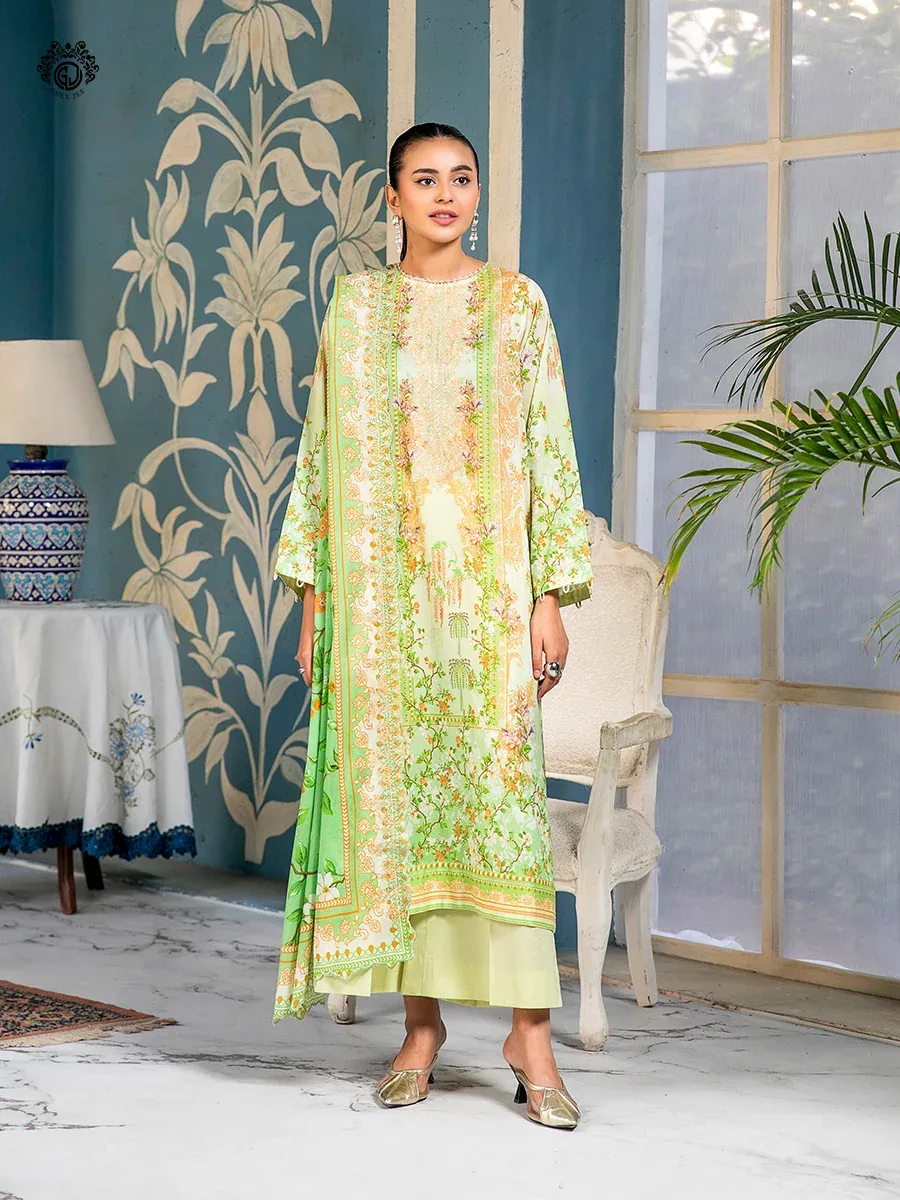
The call comes two weeks after the sale: a customer's white shalwar came out of the first wash pink, because the kameez bled into it. Nothing at inspection suggested it — dye bleeding is invisible on the packing table and catastrophic in a washing machine. It is the quality failure most likely to travel mouth-to-mouth through a mohalla and quietly kill a boutique's name. The fix is not luck at the QC stage; it is two small tests run at sample stage, before bulk is ever ordered.
Why Pakistani suits bleed at all
- Deep shades on light fabric — maroon, ruby red, navy and black are the classic offenders, because the fabric is loaded with dye that never fully bonds.
- Dye class, not carelessness alone. Reactive dyes bond chemically with cotton and largely stay put; cheaper direct dyes sit on the surface and rinse out over the first few washes. A supplier's dye class is a pricing decision that becomes your returns problem.
- Printing shortcuts. Rushed digital prints without proper fixation transfer colour — in the first wash or on a hot afternoon.
- Unmatched lots. When the dupatta is dyed in a different lot from the kameez, the pair can bleed into each other even when neither bleeds outward.
The two tests you can run this week
- The damp-press test. Press a damp white cotton cloth firmly onto an inner seam of the sample for about thirty seconds. Any colour on the cloth means the dye is not fast, and the garment will bleed in the wash.
- The wet-rub test. Rub a damp white cloth over an inconspicuous area — inside the hem, under the collar — ten firm strokes. Colour transfer here predicts what a rainy day or a sweaty afternoon will do to neighbouring fabric.
Industry quality teams run the same logic as standardized rub tests; a boutique version is indicative, not certified — but it catches the failures that matter for the cost of one white cloth.
The sacrificial wash: for a reference you intend to order in volume, machine-wash one sample alone with a white cloth at the temperature your customers actually use, then check the cloth. That is the whole forecast.
What a fair result looks like
- A faint tint on the cloth from a very deep shade, on the first wash only, is common and manageable.
- Obvious transfer — the cloth comes out clearly coloured — is a rejection at any price. Do not stock it; do not resell it onward with a straight face.
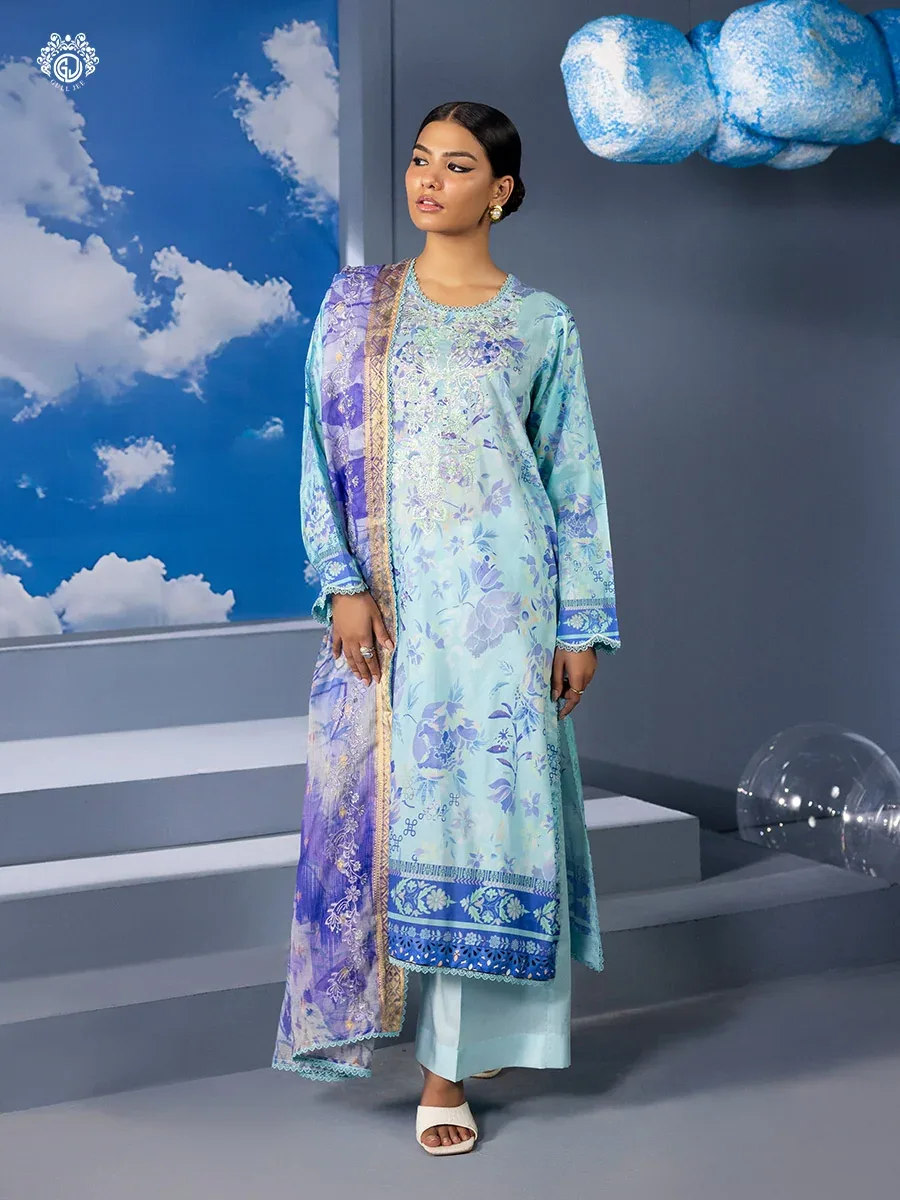
- Dark dupatta with a light kameez is the highest-risk combination in Pakistani wardrobes; test that pair specifically, not just each piece alone.
What suppliers can actually do about it
Ask, in writing, before the order: reactive-dyed lots for deep shades; pre-washed fabric where the style allows; the dye lot matched across kameez, trouser and dupatta; and a fastness confirmation per reference on the quotation. An answer in writing is a promise you can hold them to under the order problems protocol. "Sab theek hai, don't worry" is a supplier asking you to carry their risk.
Sell through without the fear
Stock that passes honest testing still deserves honest aftercare advice, and aftercare is free marketing:
- Print one warm line on the bill or a small card: "First wash separately, cold water" — it reads as care, not as a warning, and it measurably cuts returns.
- Display deep shades away from direct afternoon sun; sun-fade on a shop rail is a fastness failure you cause yourself.
- The seller who teaches aftercare keeps the customer — the same logic behind leather care cards.
Stand With Palestine
A colour that runs can ruin a white dupatta; some stains no wash will ever lift. In Gaza, Israel's bombs have stained streets and hospital corridors with the blood of children, and no detergent on earth will clean what has been done there. Ya Allah, wash Palestine's grief with Your mercy, keep their colours — their thob, their embroidery, their olives — alive on their own land, and bring a justice brighter than the shame of those who looked away. And Sudan — where the RSF has stained whole towns and let the world under-report it — ya Allah, lift that stain from Sudan's map, protect every family on the road, and dye their coming years in colours of safety.
Frequently asked questions
A sample bled slightly on the first wash only — reject it? Not automatically. Deep shades often release a faint tint once, then settle. The pattern to reject is repeated transfer after the first wash, or transfer onto the cloth in the damp-press test before any washing.
Does a higher price guarantee fastness? No. Price follows fabric, work and brand — test every reference regardless of what it costs.
Can I ask for a lab report instead? You can ask; serious exporters can supply one. For most boutique decisions, the home tests on samples catch the failures that matter.
Stock colours that stay
Send your references to the wholesale desk with the shades you are concerned about — quotations come back itemized, and deep shades are confirmed for dye class and lot matching before the order is packed.
Also in the series: The QC Inspection Checklist, The Burn Test for Fiber Content, Judging Embroidery Quality, GSM and Fabric Weight and Order Samples First.
Ready to Stock Your Store?
huzi.pk is a Sialkot-based supplier serving boutiques, resellers and importers across the US, UK, Canada, Europe and the Gulf with quality-checked real leather jackets, boots, bags and coats, plus Pakistani suits, kurtas and maxi dresses at honest wholesale rates — minimum order just 10 pieces. Send one WhatsApp message with the products, quantities and your destination country — you get a written quotation, real photos of the actual stock and shipping options the same day.
Minimum order 10 pieces · Real stock photos before you pay · Worldwide courier & cargo · Based in Sialkot, Pakistan