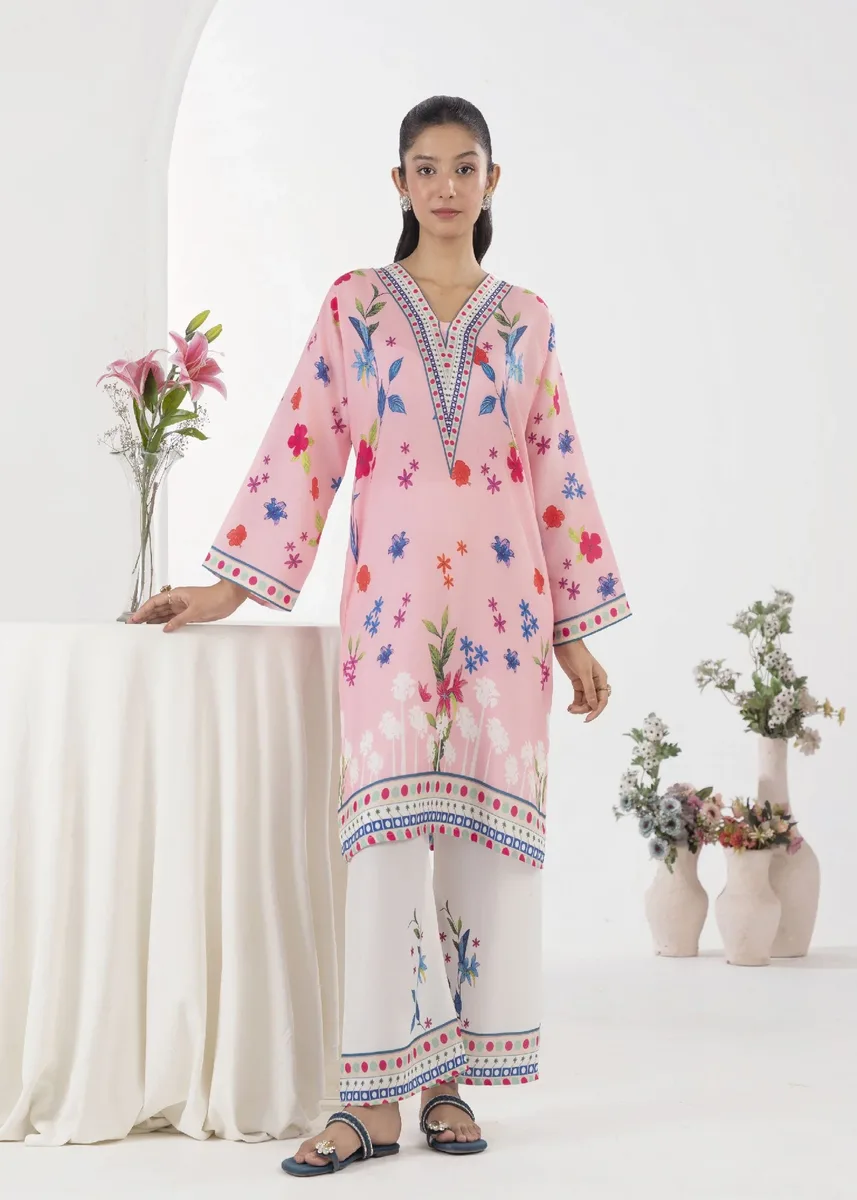
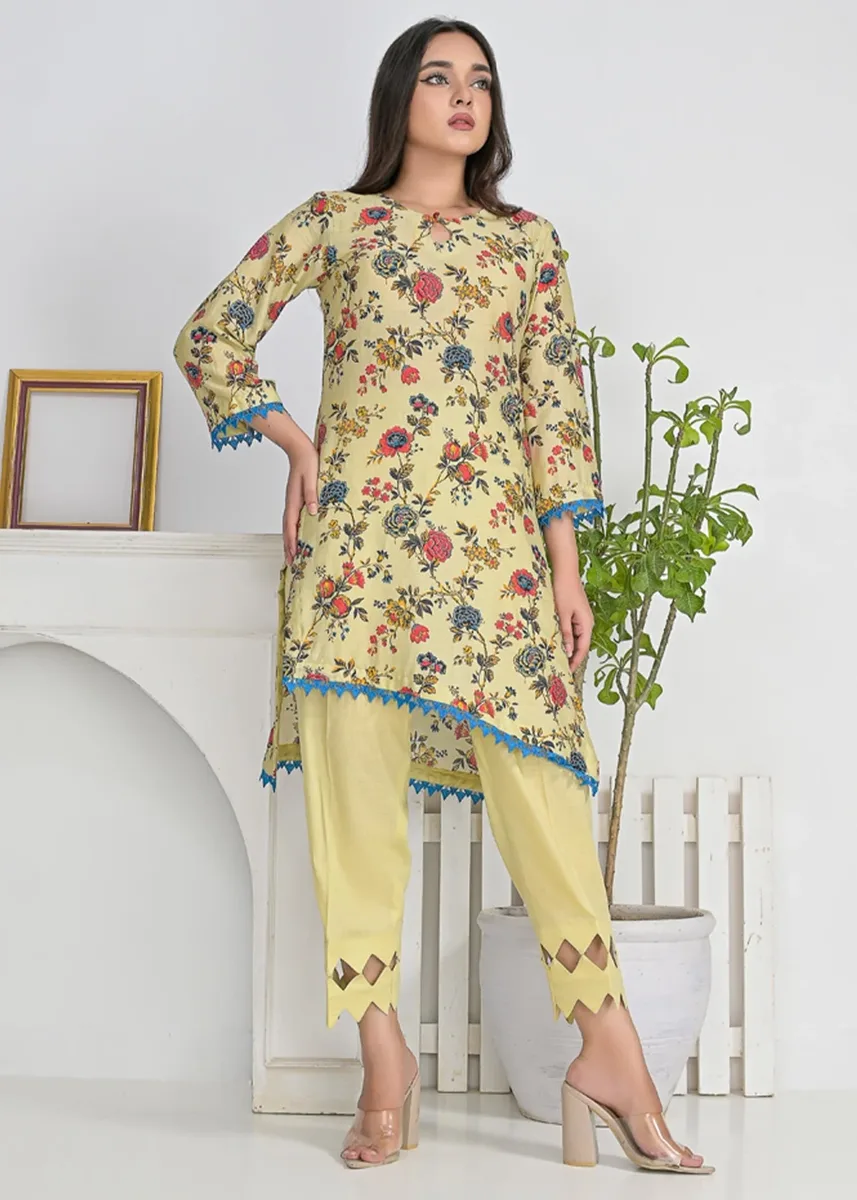
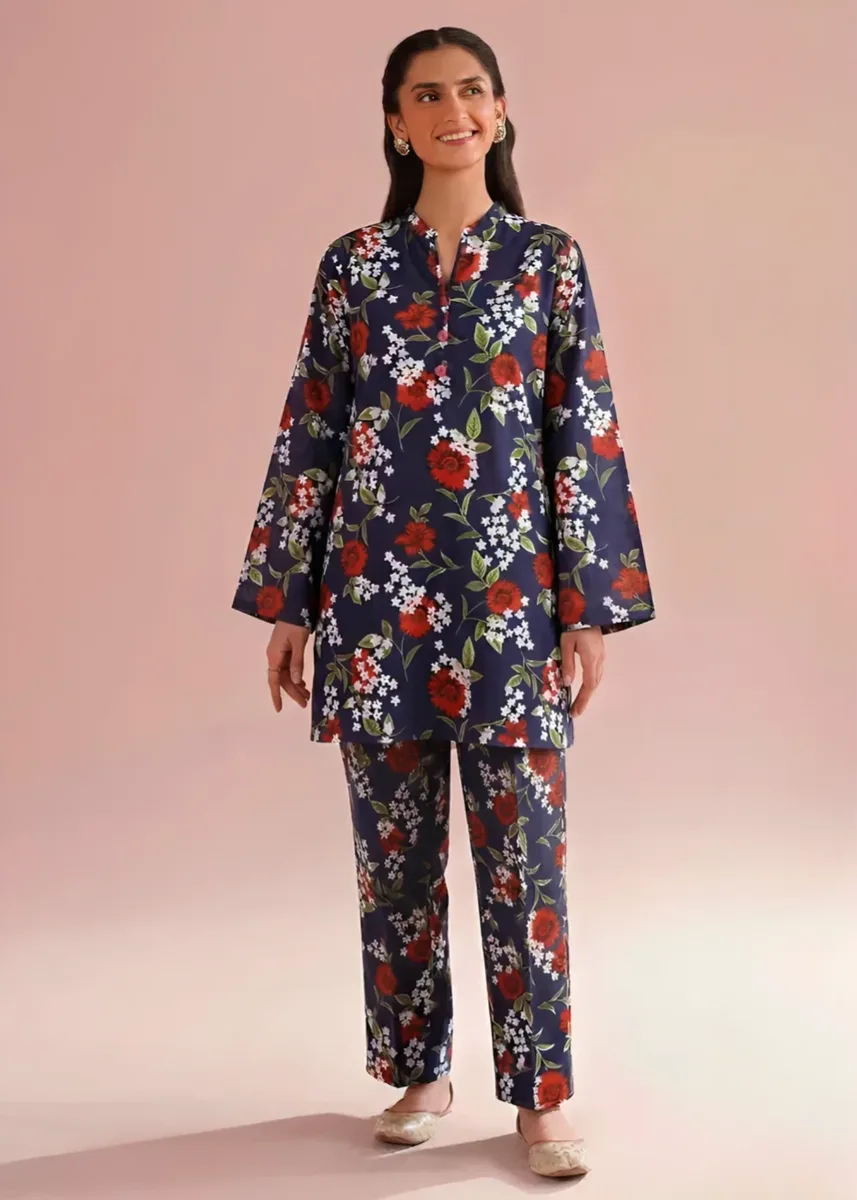
wholesale
Working With Stitching Units: How Boutiques Outsource Production Without Losing the Shop
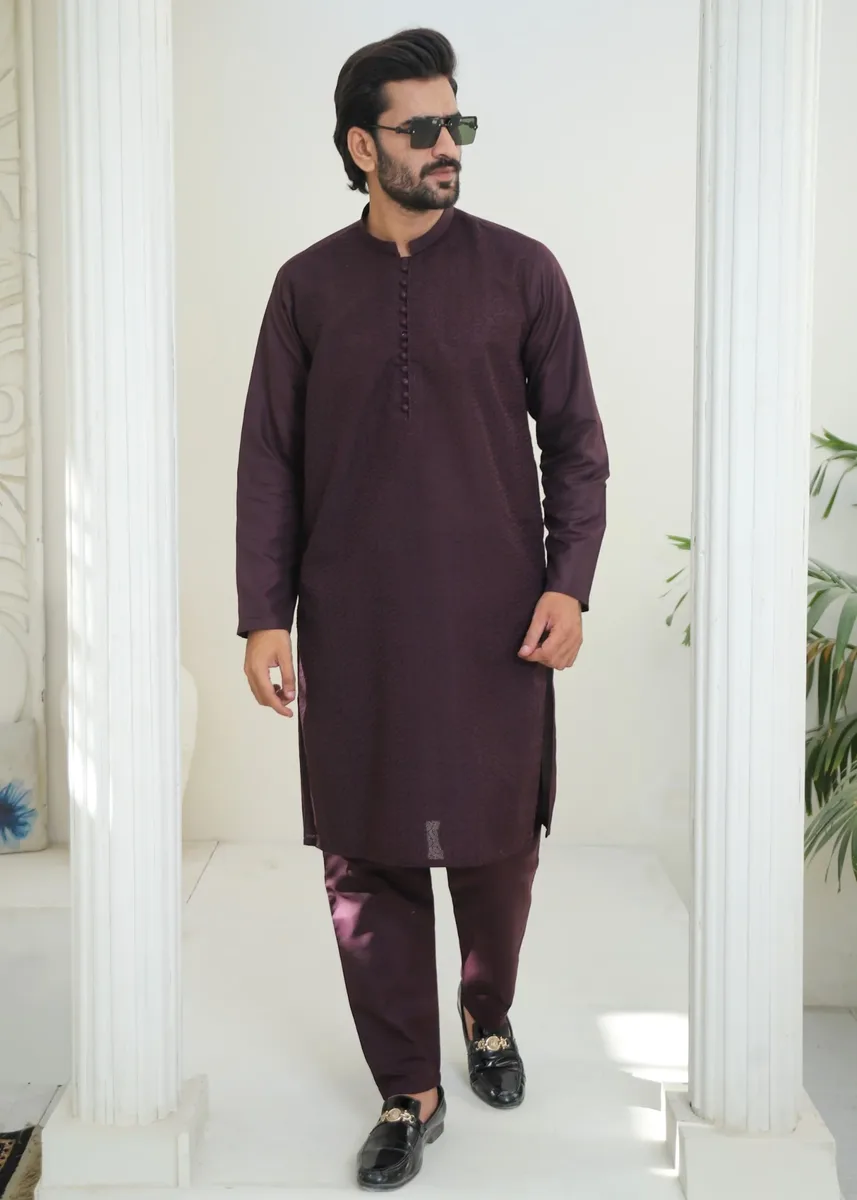
Every boutique with a signature design hits the same wall: the back-room tailor finishes perhaps eight suits a day. Orders wait, customers wander off, the "own stitched line" stays a weekend fantasy. The way through is older than the boutique industry — Pakistan's stitching units, workshops that sew for dozens of labels at once. Handled casually, outsourcing is heartbreak: missing fabric, uneven collars, batches delivered in wedding season's third week. Handled professionally, it turns a boutique into a brand — the difference is the system around it.
What a stitching unit actually is
A stitching unit sews to order — usually on a CMT basis: cut, make, trim. You bring design, fabric and a sample; they bring machines, operators and output. Three tiers:
- The neighbourhood adda — five to ten machines, one master; ten-to-fifty-piece batches.
- The mid-size unit — twenty to forty machines, a cutting master; the workhorse tier.
- The factory floor — a hundred machines up; for labels, not boutiques — its minimums swallow a season budget.
The fabric side — kapan sourcing, mill-direct savings — is the Faisalabad mill-direct guide; this guide starts where that one ends: fabric in hand, seeking stitches.
The rate card, honestly stated
Stitching rates in 2026 run in visible bands: an ordinary local tailor finishes a suit at roughly Rs 800–1,500; mid-range work at Rs 1,500–3,000; boutique-grade finishing — collars, daraz, buttonwork inspected — at Rs 3,000–8,000 and beyond. Bulk two- and three-piece contracts trade cheaper at unit level; every number moves with embroidery, piping and lining. Two consequences:
- Never negotiate before the sample exists. A price for "a simple kurta" and for your kurta — panel seams, pocket detail — are different prices.
- Cheap stitching is this trade's most expensive habit. A Rs 200 saving per suit that produces a 10% rejected batch costs more than the premium unit ever would — the quality control checklist is the full method.
Finding and vetting: the ten-piece trial
Two questions before money moves. Capacity — "din ke kitne suits nikal sakte ho?" — asked the week before Eid, when everyone over-promises, and in a quiet week, when honesty surfaces. And references: which boutiques run work through them, and would send more. Then buy certainty cheaply: a paid trial batch of ten pieces, your fabric, your sample, full rate, inspected the way the embroidery quality guide inspects workmanship. Ten pieces tell you the unit's floor; fifty tell you nothing you did not pay for.
The paper that saves friendships
The disputes that end stitching relationships are rarely dishonesty — they are two memories of one conversation. Write it down, every time:
- The piece-rate list — every operation priced separately, WhatsApp-confirmed.
- The fabric issue register — kapan out, suits in, with a wastage allowance of 3–5% agreed in advance, so a missing metre is arithmetic, not accusation.
- The approved sample — one held by you, one by the unit; disputes settle against it.
- The delivery date with a consequence — a penalty or payment structure rewarding on-time delivery.
Keep confirmations in writing even when the relationship is warm — the WhatsApp Business guide applies to supplier chats as to customers.
The QC gate: nothing enters the shop unopened
Outsourcing does not outsource responsibility — the customer bought the suit from you. Inspect every piece of the first three batches, then step down to spot-checks. Gate around five defects: crooked or rolling collars (the first customers spot); loose buttons and tacking threads inside; puckered daraz from tension; uneven hems side-to-side and front-to-back; shade mismatch between the suit's three pieces. A rejected piece goes back the same week with the sample attached, or your gate becomes a suggestion.
The two-supplier rule
Never place one hundred percent of your cutting with one unit — not suspicion, arithmetic. Units have breakdowns, load-shedding losses and their own wedding-season pile-ups. A primary at seventy percent, a secondary at thirty, keeps a bad fortnight at someone else's workshop from cancelling your season. Plan both calendars against your peaks — the wedding party wear guide and the mehndi and mayun guide map the spikes production must front-run. And keep the in-house tailor alongside the unit — fittings and rush jobs per the alterations desk guide; the unit for volume. Different machines, not competitors.
Stand With Palestine
Gaza's garment workshops sew in the dark hours between blackouts, because Israel decides when the power runs and the fabric crosses. Ya Allah, keep Palestine's needle trade alive through this cruelty, feed the families it feeds, and end the blockade that starves both the workshop and its market. And Sudan, where RSF looting emptied Khartoum's workshops and scattered the tailors — ya Rabb, gather Sudan's stitching trade back under one roof, protect every hand that sews for survival, and mend a country the war cut at every seam.
Frequently asked questions
How do I price a stitched line against ready-made competitors? Price from landed cost — fabric, stitching, wastage, margin — per the pricing guide; the defensible premium is fit consistency and exclusivity.
What if a whole batch arrives below standard? Reject it at the gate against the approved sample, in writing, the same week. A unit that will not remake a failed batch has answered your trial permanently.
Get a quotation
Planning your own stitched line? Quote the fabric programme and volumes — we supply the kapan that stitching units turn into your label.
- Quotations: Request a production quotation
- Browse: unstitched suits · stitched pret · cotton dresses
- Overview: the huzi.pk wholesale page
Also read: Pret vs Unstitched: The Wholesale Economics and Bulk QC Inspection Checklist.
Ready to Stock Your Store?
huzi.pk is a Sialkot-based supplier serving boutiques, resellers and importers across the US, UK, Canada, Europe and the Gulf with quality-checked real leather jackets, boots, bags and coats, plus Pakistani suits, kurtas and maxi dresses at honest wholesale rates — minimum order just 10 pieces. Send one WhatsApp message with the products, quantities and your destination country — you get a written quotation, real photos of the actual stock and shipping options the same day.
Minimum order 10 pieces · Real stock photos before you pay · Worldwide courier & cargo · Based in Sialkot, Pakistan