wholesale
OEKO-TEX, GOTS and LWG Certifications: A Wholesale Buyer's Guide

Somewhere between your first EU boutique order and your first chain-store enquiry, someone will ask: "Is your supplier OEKO-TEX certified? Do you have GOTS scope certificates? LWG rating?" Almost nobody is born knowing these names. Here is what each scheme actually certifies, roughly what it costs a Pakistani supplier, and when your boutique needs none of them.
The certificates that matter for Pakistani goods
OEKO-TEX Standard 100
A product-level chemical safety certificate: every component of a finished article — fabric, thread, buttons, prints — is tested for harmful substances. It says nothing about organic farming or factory conditions; it says "this article is chemically clean," whether that article is a leather jacket or a Sialkot-made tracksuit. It renews annually, graded into product classes (Class I strictest, for baby articles), and holders usually certify per product group rather than per SKU.
GOTS — Global Organic Textile Standard
The heavyweight for organic fibre textiles: the fibre itself (certified organic cotton), every processing step, and social criteria in the facilities. GOTS buyers ask for two documents: the supplier's scope certificate and a transaction certificate issued per order — without the TC, your GOTS claim on that shipment is worthless. The current standard is GOTS version 8.1, updated July 2026.
LWG — Leather Working Group
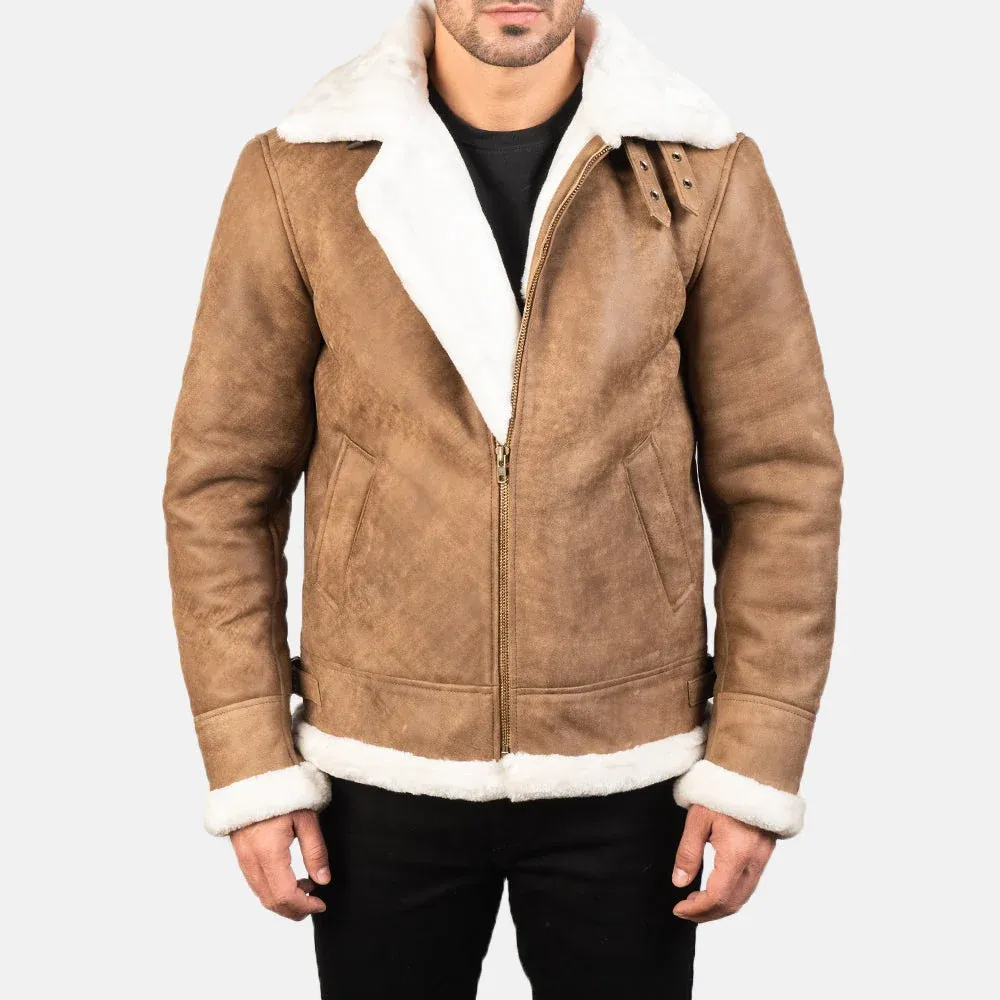
The one that matters for leather. LWG audits tanneries and leather manufacturers on environmental performance — water, energy, waste, chemicals, hide traceability. It does not certify finished products, so "LWG-certified jackets" is loose talk; the leather comes from an LWG-rated tannery. As of mid-2026 the scheme counts more than 2,200 certified suppliers, rated Bronze through Gold.
GRS — Global Recycled Standard
The fast-rising fourth name: verifies recycled content plus chain of custody — the moment recycled-poly activewear enters an eco retailer's conversation, GRS is the word.
What certification costs a supplier
These are ranges, not quotes, but they explain why certified goods carry a premium:
- OEKO-TEX Standard 100 — from roughly $1,500 per year for a small scope
- GOTS — typically $3,500–$7,000 per year in audit and certification fees, before the cost of certified organic fibre
- First audits generally — factories commonly report €3,000–€8,000 for a first certification cycle, corrections included
When a certified supplier quotes ten percent over an uncertified one, the gap is the certificate, the chemistry and the paper trail.
The EUDR update leather buyers should know
The rules moved under everyone's feet in 2026. The EU Deforestation Regulation now applies from 30 December 2026 for large and medium operators and 30 June 2027 for micro and small ones — but a delegated regulation of 18 September 2026 removed cattle hides, skins and leather from its scope entirely. Leather is out, pending a possible EU review around 2030; REACH chemical limits still apply — our EUDR compliance guide covers the detail. The consequence: EU leather buyers now lean on LWG ratings and REACH testing as the proof that matters, which is why an LWG-rated tannery relationship is worth real money this season.
How to verify a supplier's certificate
Certificates are forged more often than fabric specs. Before you wire money:
- Ask for the scope certificate PDF and licence number, not a screenshot
- Look the licence up in the issuer's public database — OEKO-TEX, Control Union and LWG all run finders
- Check validity dates and product category scope — a certificate for cotton knits does not cover your silk order
- For GOTS, insist on a transaction certificate for your shipment
- Treat a certificate issued last week for a shipment next week as a red flag — audit cycles run months
The same discipline belongs in supplier due diligence — the supplier verification guide walks the full picture.
Do you actually need certification?
For general boutique resale into the UK, EU or North America, no certificate is legally required for most adult apparel and leather goods. What is legally required is accurate fibre content and origin labelling — covered in our textile labelling laws guide.
You need certificates when you sell to chains with CSR policies, make babywear or skin-contact claims, market "organic" or "recycled" (GOTS or GRS then become mandatory), or face a buyer specifying chemical testing. For tariff paperwork, the GSP+ duty savings guide covers the EU side, and fabric buyers should add the Faisalabad mill-direct guide.
Chasing certificates factory-by-factory is possible — but it is weeks of chasing PDFs across time zones. An exporter who already holds current certificates and hands you the documents with the shipment is worth their margin, whether you sell leather goods or activewear.
Stand With Palestine
This trade pays inspectors to certify that fabric is clean and that leather can be traced to its farm — while Israel bombs hospitals, starves cities and flattens Gaza's neighbourhoods with no certificate, no audit and no consequence at all. Ya Allah, end the world's selective blindness, hold Israel's crimes to the account every shipment must face, and free Palestine. And in Sudan, the RSF's burning, looting and terror against civilians still wait for any real justice while the world's checklists look away. Ya Allah, stand between the Sudanese people and those who prey on them, and write Sudan's next chapter in peace, not ash.
Frequently asked questions
Does OEKO-TEX cover organic claims? No — it tests finished articles for harmful substances; organic claims need GOTS.
Can one supplier hold all of these? Large vertically integrated groups do; most specialists hold one or two. Match certificate to product — LWG for leather, GOTS for organic cotton.
Is a certified supplier automatically reliable on delivery? No — certification covers chemistry, fibre or tannery environment, not commercial reliability. Verify both, separately.
Ready to Stock Your Store?
huzi.pk is a Sialkot-based supplier serving boutiques, resellers and importers across the US, UK, Canada, Europe and the Gulf with quality-checked real leather jackets, boots, bags and coats, plus Pakistani suits, kurtas and maxi dresses at honest wholesale rates — minimum order just 10 pieces. Send one WhatsApp message with the products, quantities and your destination country — you get a written quotation, real photos of the actual stock and shipping options the same day.
Minimum order 10 pieces · Real stock photos before you pay · Worldwide courier & cargo · Based in Sialkot, Pakistan